
How are cultural spaces in cities tackling the loneliness epidemic?
Blog post by Danique Bailey, Digital Publishing Intern at World Cities Culture Forum
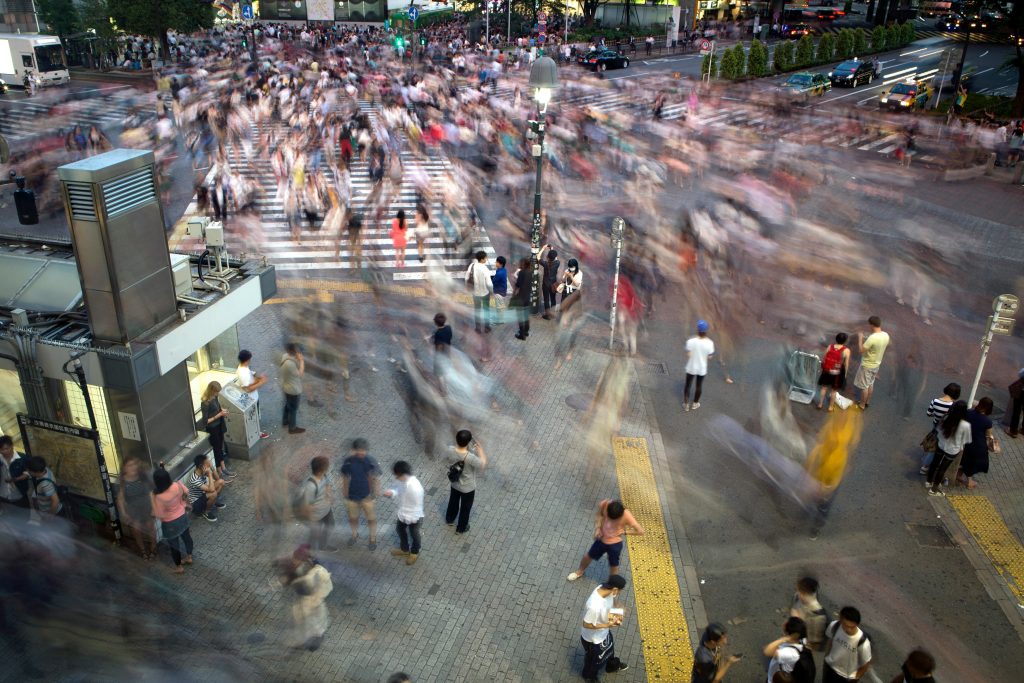
Loneliness in cities is a global problem
According to a 2025 report by the World Health Organization’s Commission on Social Connection, nearly 1 in 6 people globally experience loneliness—a condition linked to serious health consequences and long-lasting stress (source: World Health Organization).
Moreover, according to NYC Health, more than half of New Yorkers report feeling lonely at least some of the time (source: NYC Health). While in Hong Kong approximately 45% of older adults living in Hong Kong feel lonely (source: The Education University of Hong Kong).
Loneliness in cities is fuelled by factors like segregation, housing inequality, economic disparity, and transient populations, all of which erode social connection. Urban density, digital isolation, and the anonymity of city life further amplify feelings of disconnection, especially among vulnerable groups. Urban dwellers are missing out on opportunities to meet, interact and form meaningful connections with fellow citizens.
Cultural spaces can offer a lifeline for social isolation. In the World Cities Culture Forum, many cities recognise that libraries, art centres, museums, theatres, community halls, and public parks serve as essential infrastructure that foster community engagement, cultural expression, and meaningful encounters with others. Conversing with strangers can be an act of creativity, generosity and spontaneity – pleasant surprises that draws our attention away from our modern technology and screens.
Cities are adapting their libraries to encourage more social connection
Public libraries have always been an important meeting place for learning and exchanging knowledge. Today, cities are reimagining how libraries can meet the needs of their citizens, beyond borrowing books. Helsinki’s Oodi Library brings people together from all backgrounds, with free facilities where citizens can socialise with friends or learn a new skill like sewing or 3D printing. In fact, the library is nick-named the ‘People’s Home’ to help people feel comfortable in spaces other than their living area, with ten million visitors having visited the library since March 2024 (source: Oodi Helsinki Central Library).
Helsinki’s Service Design Department understands that loneliness is a big issue as a high proportion of its citizens live alone. With Oodi library, they have provided a successful blueprint for promoting support networks across the city through culture.
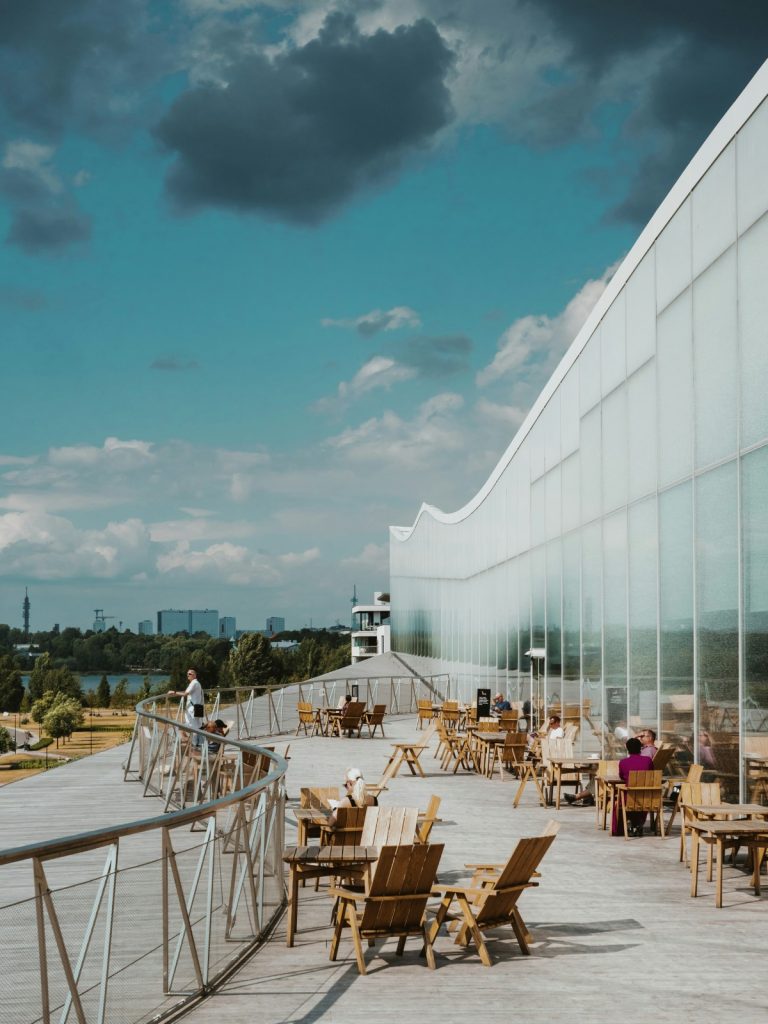
Similarly, the Seoul Outdoor Library creates relaxing open-air environments for reading, sharing books and socialising. Set in iconic locations like Seoul Plaza, Gwanghwamun Square, and Cheonggyecheon Stream, this free to use ‘buildingless’ library has welcomed over 6 million visitors since 2022. It was voted Seoul Metropolitan Government’s ‘No.1’ policy by citizens in 2024 for its meaningful response to urban isolation and loneliness.

Inclusive cultural spaces can provide alternative support systems and civic welfare
Research from King’s College London and Urban Mind revealed the importance of ‘feeling welcome’ in public spaces, with perceived social inclusivity associated with a 21 % decrease in loneliness. Equal access to culture is a key priority for many global cities, with many investing in cultural and community infrastructure that enables individuals from different backgrounds to gather under one roof.
SESC Pompéia in São Paulo is a thriving multi-functional community space and an innovative model of civic welfare, culture, education and recreation. SESC (Serviço Social do Comércio) is a Brazilian social enterprise that has been developing cultural action and civic transformation for over 70 years. Nowadays it’s also Brazil’s leading institution in arts financing.

This particular model in São Paulo designed by renowned architect Lina Bo Bardi, contains exhibition spaces, theatres, library, sports, food and medical facilities all under one roof and it’s the first SESC to open to the whole of its community for free – which was then replicated across hundreds of SESC locations across Brazil.
In global cities, many refugees face isolation, segregation, and mental health challenges as they navigate trauma in unfamiliar environments. Cinemaximiliaan in Brussels began in 2015 with film screenings in a refugee camp and has since grown into a 27,000-member network hosting events in cinemas, homes, and asylum centres. Using film, music, meals, and workshops, the initiative shows how the arts can create new communities of support and connection, easing loneliness while strengthening bonds between refugees and residents.

Cities are promoting local heritage to boost cultural participation and wellbeing
Celebrating local heritage can help people feel connected to their neighbourhoods, boosting civic pride and belonging and empowering citizens with local knowledge. In fact, according to Historic England’s recent survey, visiting local heritage sites can boost happiness by 93%.
Guangzhou’s six-month-long ‘Summer in the City of Rams’ festival bridges heritage and modern culture through nearly 1,000 activities each year, from Lingnan cultural exhibitions and Cantonese opera to fashion showcases and calligraphy. By activating public spaces with inclusive performances, workshops, and competitions, the festival creates opportunities for citizens of all ages to connect, celebrate shared traditions, and strengthen a sense of belonging.

Furthermore, Lisbon’s ‘Neighbourhood Lives and Memories’ oral history project snapshots the older generation’s memories of the city and reconnecting them with their local communities while encouraging younger residents to take an interest in their shared history. Organised by community groups and organisations dedicated to the well-being of the elderly, the project collects and preserves personal stories through interviews, photographs, correspondence, journals, printed materials, and videos. These memories are shared in weekly “community memory workshops,” led by librarians and technicians from participating libraries.
Connection is Creativity
In summary, cultural spaces in cities can help citizens spark conversation with strangers, build meaningful relationships outside of their given community, and feel more connected to their neighbourhoods and the wider world. Conversation is an act of creativity, so why not reach out to a friend to connect or to create something that will drive more unity?