
FIVE ‘LONG -COVID’ SYMPTOMS FACED BY CULTURE IN WORLD CITIES
INSIGHT: WORLD CITIES CULTURE FORUM DIRECTOR, LAIA GASCH SHARE’S KEY INSIGHTS FROM NEW REPORT WITH KINGS’ COLLEGE, LONDON
The pandemic is over and culture and creative industries have been key to city recovery. However, we are still dealing with its effects. Director of World Cities Culture Forum Laia Gasch shares what the main issues are, drawn from research in collaboration with King’s College London “Creative recovery? The role of cultural policy in shaping post-COVID urban futures” launched today.
The 5 “long-Covid” symptoms faced by culture in world cities
The World Health Organisation declared the pandemic over in May, but are the culture and creative industries in global cities still suffering from long-Covid? The World Cities Culture Forum represents 40+ cities including Amsterdam, Buenos Aires, Lagos, London, New York, Paris and Tokyo. We joined forces with King’s College London to analyse nearly 300 new policy measures, collated during the three years of pandemic, discussed at over twenty online meetings amongst our cities. “What World Cities Culture Forum partner cities gained from their involvement was not only the opportunity to share immediate solutions to pressing problems, but also to look further to the future.” Creative Recovery Report 2023
“What partner cities gained from their involvement was not only the opportunity to share immediate solutions to pressing problems, but also to look further to the future.”
Creative Recovery Report 2023
Culture city leaders crucial to Covid-response
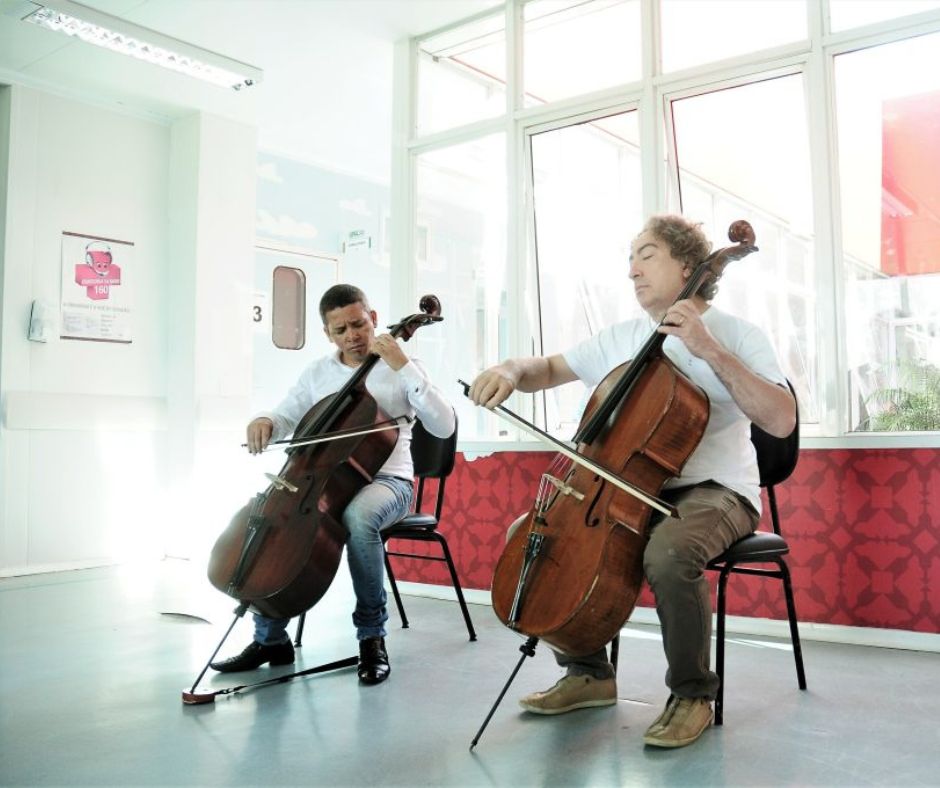
The “Creative Recovery: loss and hope for global cities” report shows that even though culture and the creative industries were hit hard by Covid – with closure of community assets and rapid job losses – culture was also key to driving recovery with city leaders deploying entrepreneurship. Culture in city administrations across the 40 cities became rapid response teams or, as the report suggests, ‘cultural care workers’. This was civic leadership in action.
Cities innovated and created new programmes to mitigate the impact of Covid, including support to freelance artists, cultural venues and community organisations. For example, Toronto set up a grant programme in just five days and distributed funds to 980 artists and arts organisations in record time. In Hong Kong, the lottery funded $HK25million to deliver creative content digitally.
Culture drove urban recovery
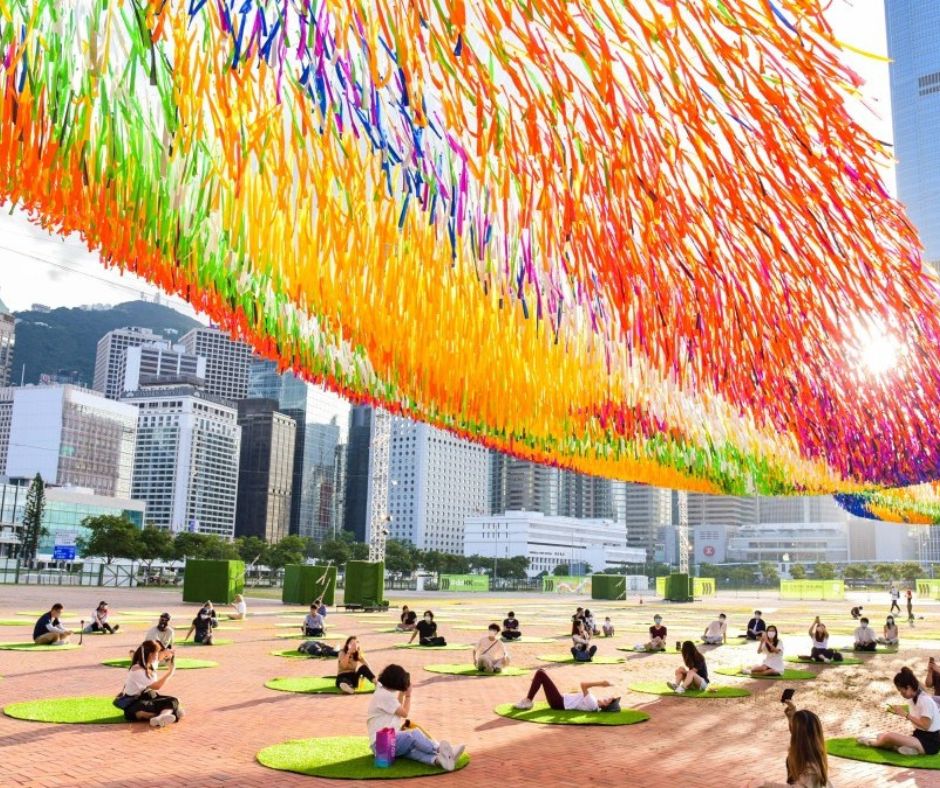
The report shows culture and the creative industries became a driver for urban recovery in cities across the world. Despite early (and perhaps precipitous) predictions of the death of the global city, Austin, Amsterdam, London, Los Angeles and Sydney amongst others deployed culture to attract tourists, lure citizens into city centres and boost jobs and economic growth. Milan’s “Air of Culture” hosted open air concerts, theatre and cinema in unusual outdoor sites. The “Let’s do London” campaign saw 500+ events and activations generating GBP81million additional visitor spent to the capital.
Long Covid for culture?
But the long-tail impact of Covid still prevails. As Dr Jonathan Gross at King’s College suggests in the Creative Recovery report, Covid was a meta-crisis: the pandemic exacerbated fault lines that existed before. And these issues linger on, which is what we might call the long-Covid for the culture and creative industries.
Here are five of the cultural “long-Covid” symptoms for culture which need urgent attention:
1. The digital leap
During the pandemic we saw the mainstreaming of digital content. Cultural institutions pivoted to streaming, successful turbo-charging audiences. The screen industries, particularly video games saw a massive boom in sales. Questions like monetisation of cultural content, how we remunerate artists and IP protection remain unanswered, and with the rapid growth of AI – these questions are ever more urgent.
2. The freelance conundrum
The fragile working conditions of freelancers is an ongoing challenge yet our creative economy is reliant on this important workforce. The self-employed are undervalued, in some countries they were initially left out of pandemic employment support schemes. The working conditions of freelancers needs attention: from prompt payment to better inclusion in government systems. Some cities are piloting guaranteed income for artists. Is this a possible solution?
3. Race and representation
Another area that Covid has exposed is the lack of diverse representation in the creative industries. The confluence of the pandemic and the Black Lives Matter movement has highlighted that whilst our global cities are increasingly diverse, there is a long way to go for people of colour to be represented in positions of power, funding apportion does not reflect our communities, and our city governments are not a true reflection of our urban realities. This is changing, but not fast enough.
4. Affordability and space
The affordability of space for creatives, which was urgent before Covid across most global cities, continues to be thorny issue. Creatives thrive on cheap space to grow ideas and businesses. Some turn into large enterprises, others become specialists, craftspeople or highly sought after technical geniuses. The hollowing of office and commercial space should be a call to action for cities to relax planning measures for creative workspace.
5. Public realm
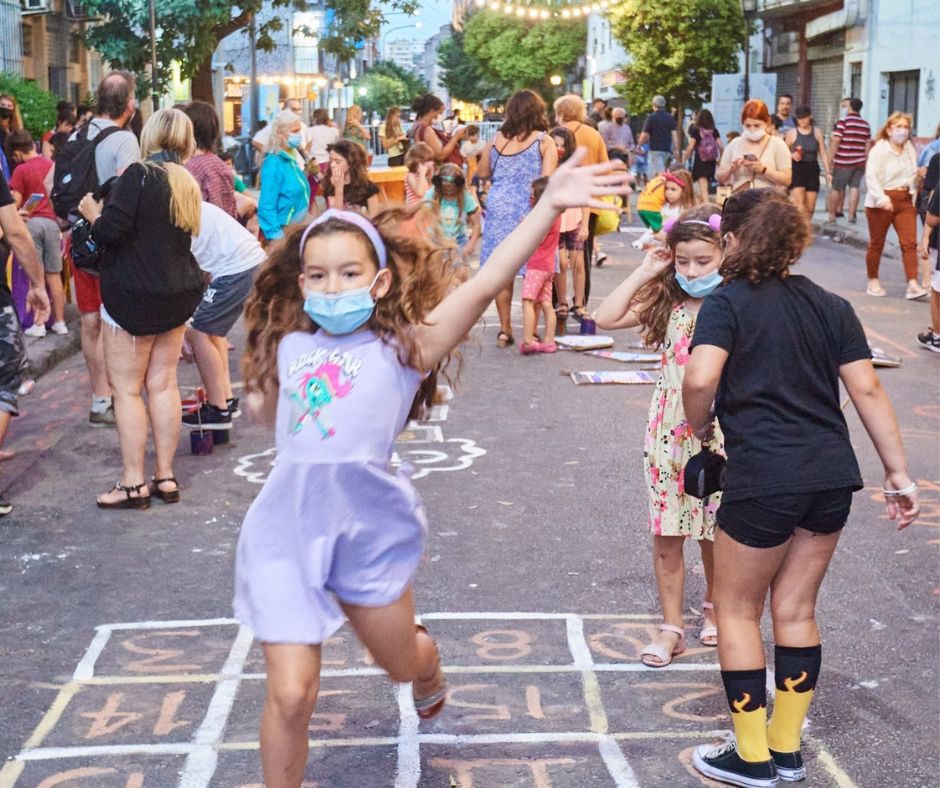
As we look at the lessons learnt during Covid, we can’t forget the ‘al fresco’ movement. Cities reclaimed public space which was under-used. Despite the controversies between neighbours and businesses, between laisser-faire and red tape, cities acted fast and were lean with regulations to allow temporary use of space for public enjoyment. Make this a takeaway from Covid and bring more joy into our cityscapes and streets.
The remedy to long-Covid
Culture and the creative industries are essential to our cities, and to our lives. And the pandemic demonstrated this too. We sang from our balconies and drew rainbows on our windows. We are creative and social beings and we value culture’s civic role. At the World Cities Culture Forum, we call this the ‘golden thread’. By that we mean the capacity for culture to deliver solutions against urgent urban challenges: from more jobs to climate change, regeneration to sustainable tourism and from loneliness to health. Addressing the long Covid symptoms of culture in our cities will result in healthier and happier citizens.
The Report highlights that city collaboration is key to success. At World Cities Culture Forum we share our best ideas to make the case for culture and make our cities better and fairer.