
Creative Recovery? The Role of Cultural Policy in Shaping Post-COVID Urban Futures 2022
The report from King’s College London and World Cities Culture Forum emphasises how cultural policy fuels city recovery after COVID and its future implications.
“The report reveals how culture has become ever more central in plans for recovery, encouraging people back into city centres, driving tourism, and growing jobs.”
Justine Simons OBE, Chair World Cities Culture Forum
The Purpose
Since the outbreak of Covid-19, cities across the world continue to grapple with the pandemic’s devastating impact on culture and the creative industries. The pandemic exposed the precarious livelihoods of creative workers and the fragility of cultural institutions. But the crisis also revealed the unique power of art and culture too. Impromptu choirs on balconies, collective painting projects, and musicians entertaining their neighbours during lockdowns, showed how culture sustains individuals and communities. Creativity flourished in the online world too – including a step change in scale and ambition for live performance that saw theatre, opera and music connect with existing and new audiences around the globe.
The Report
King’s College London and World Cities Culture Forum launched a new joint report: “Creative Recovery? The Role of Cultural Policy in Shaping Post-COVID Urban Futures” exploring how culture shaped the recovery across 40 global cities in response to the COVID-19 crisis and its significance for the future of culture and the creative industries.
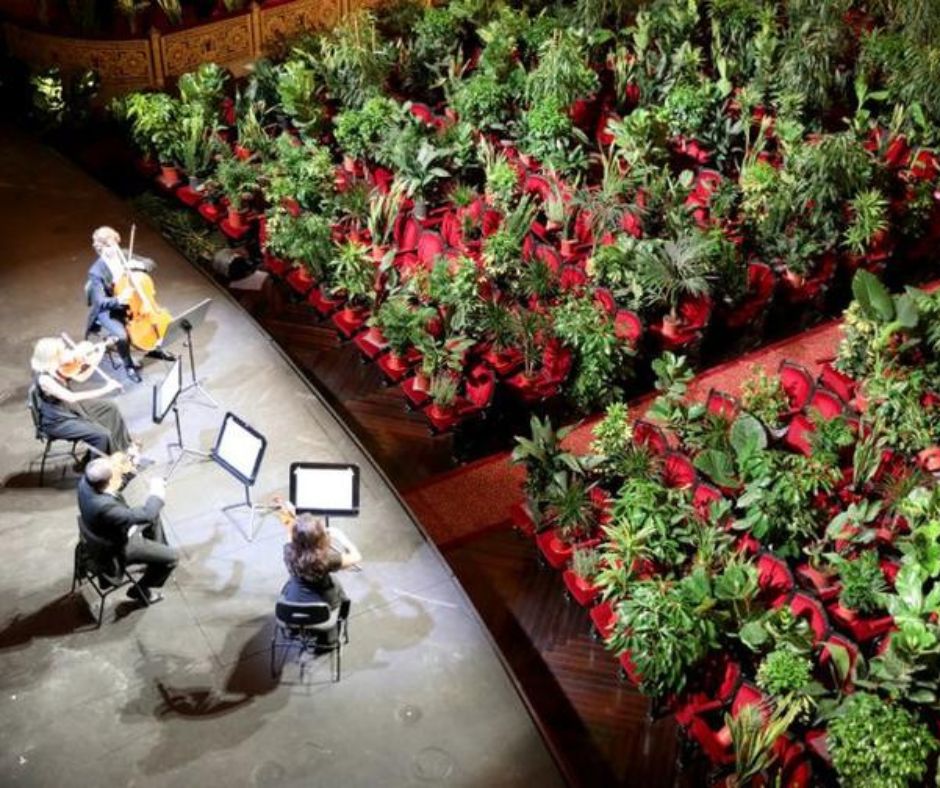
The report is one of the most wide-ranging studies on the long-term effects of Covid on culture in major cities. It analyses over 270 new policy initiatives adopted by cities from the World Cities Culture Forum – the global network of civic leaders from over 40 creative cities.
The report highlights case studies from a range of cities including Austin, Buenos Aires, London, Milan, Tokyo and Toronto. Austin created a ‘Be Well’ programme of murals to promote health care, Milan’s “Air of Culture” hosted open air concerts, theatre and cinema in unusual outdoor sites and the “Let’s do London” campaign saw 500+ events and activations generating GBP81million additional visitor spent to the capital.

Justine Simons OBE, Founder and Chair of World Cities Culture Forum and London’s Deputy Mayor for Culture and the Creative Industries, says:
“The pandemic had a devastating impact on our cultural sector but King’s College London’s new research with the World Cities Culture Forum shows how cities across the globe worked together to safeguard and support these vital industries. It reveals how culture has become ever more central in plans for recovery, encouraging people back into city centres, driving tourism, and growing jobs. City leaders became entrepreneurs quickly designing innovative solutions, some of which will remain in our cities forever, as we continue to work together towards building better and fairer cities for all.”
Dr Jonathan Gross, Department of Culture, Media & Creative Industries, King’s College London, says:
“Our research with the World Cities Culture Forum shows that in response to the huge challenges and losses of the pandemic, city policymakers experimented and innovated in how they support culture. These new possibilities for cultural policymaking have the potential to make key contributions to the ongoing process of developing more inclusive, sustainable, and democratic ‘post-COVID’ urban futures.”