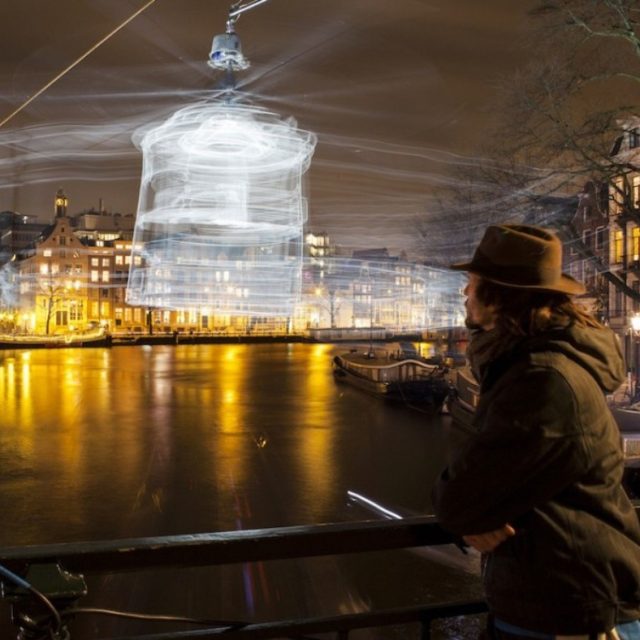
Cultural Conversations: Insights into Amsterdam’s Leadership at the World Cities Culture Summit
THEME: SUSTAINING SUCCESS IN AN AGE OF MASS TOURISM
“The network and its agenda for a sustainable urban future is unprecedented and Amsterdam is proud to be part of it.”
Eberhard van der Laan, Mayor of Amsterdam 2014
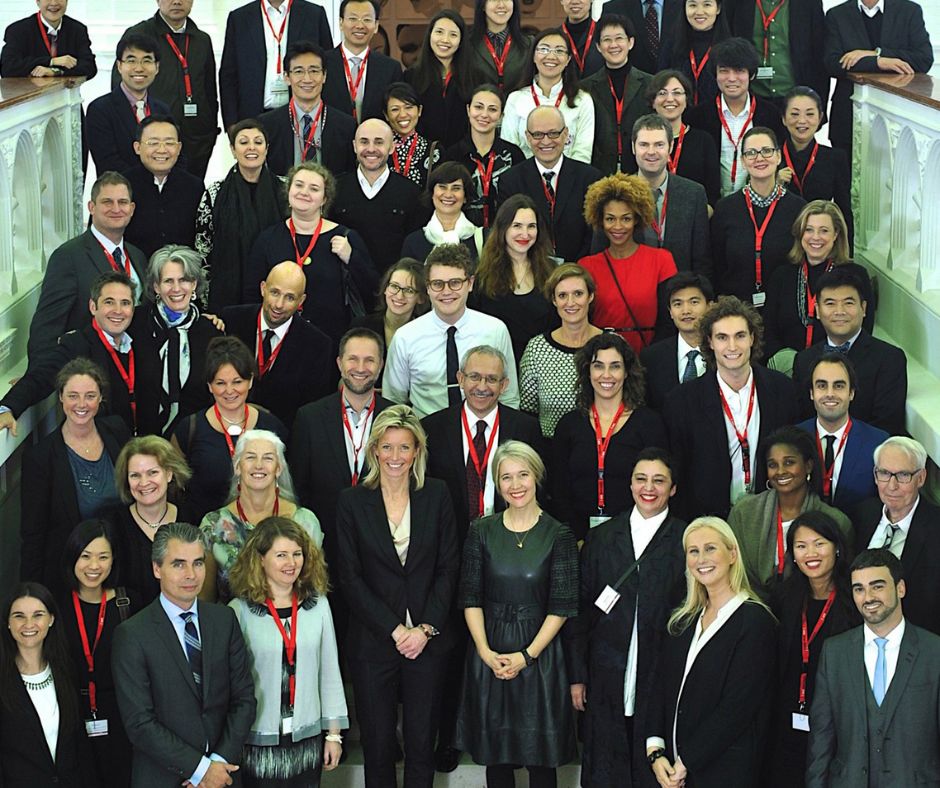
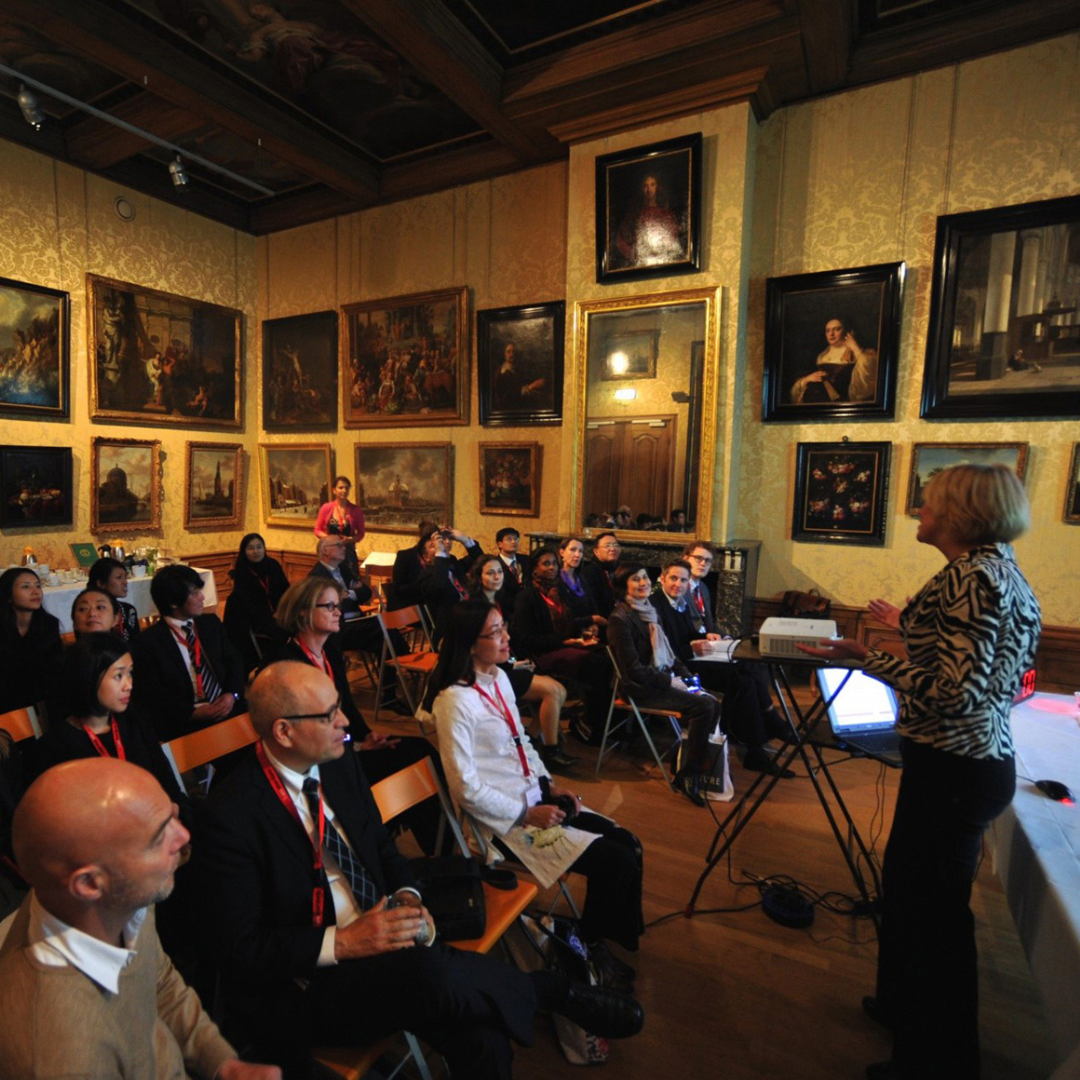
The third World Cities Culture Summit 2014 was held in Amsterdam and used the city’s cultural policy as the starting point for in depth discussions about the issues facing all leaders of world cities.
The themes of the summit were:
- City branding and promotion
- Urban development, renewal and transformation
- Talent, enterprise and innovation
‘Sustaining Success’, the third policy briefing of the Forum, captured conversations such as cultural authenticity in the age of mass tourism, balancing heritage and identity with modernity, and developing cultural capability in all citizens.
Key takeaways from the Amsterdam Summit:
- When it comes to international rankings, world cities invariably score highly for business competitiveness, global trade and inward investment. But it is often smaller, low population density cities which score better on measurements of ‘liveability’, such as the quality of the environment, health and recreation.
- Arts and culture may increasingly be recognised as an important element of a city’s profile, but cultural policies are often tilted towards economic metrics, rather than those more intangible factors contributing to the well being of citizens. Whether it is the problems associated with mass tourism, the gentrification of urban districts or the need to protect a city’s heritage and identity, policymakers need to give greater consideration to how culture impacts on quality of life and how it enables their citizens to flourish.
- The challenges may be considerable, but cities themselves hold many of the solutions to their problems. Great cities generate great ideas. And city governments have initiated policies and projects that have spread around the world, from bicycle hire schemes to Nuit Blanche festivals. Of course, ideas need to be applied rather than just repeated and it is not simply a case of replicating policies, but rather a case of learning, recognising the inter-dependency of cities but also their individual context.
- The World Cities Culture Forum recognises that no single city has a monopoly on wisdom, and that by sharing common challenges, building up evidence and learning from one another, cities can develop policies to more effectively improve the lives of their citizens. It is in this spirit that members of the Forum left the Amsterdam Summit 2014, and will continue to work together in the years ahead.
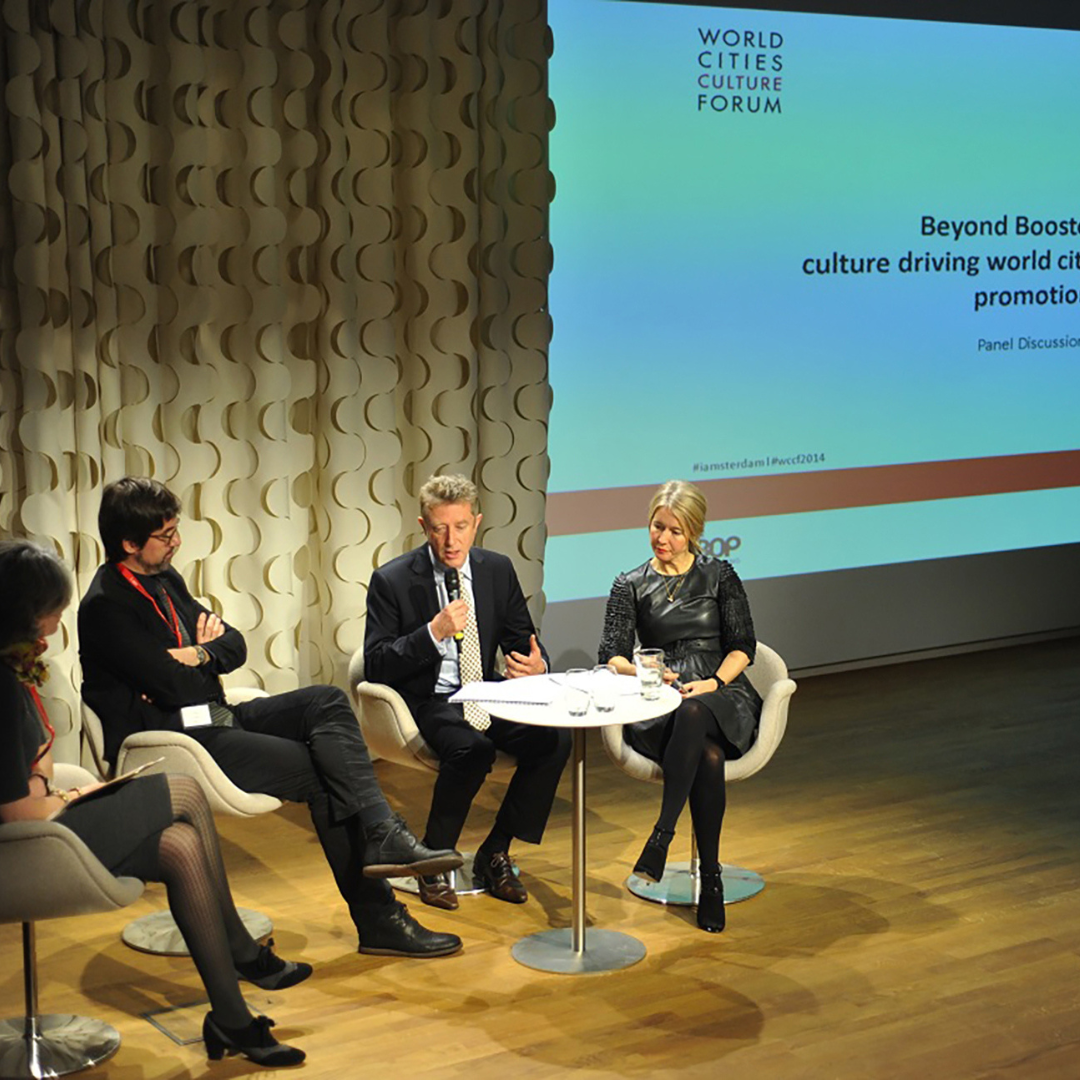
Images Courtesy © World Cities Culture Forum