Cultural Policy in Tokyo
Japan’s capital, with a population of over 37 million, has a focus on nurturing diverse cultural talent
Cultural policy
Cultural policy in Tokyo is managed by the Tokyo Metropolitan Government. Since 2015, Tokyo’s cultural vision has revolved around discovering diverse talent and nurturing young artists. This vision faced challenges as the pandemic forced the closure of performance spaces, leaving many freelancers in the sector vulnerable. Tokyo became the first city in Japan to provide direct pandemic grants to artists to showcase their work online, thereby retaining talent in the sector. Progress has also been made in creating a more inclusive cultural offering for children and disabled individuals, highlighted by an international conference on arts and social inclusion held as a legacy of the Olympic and Paralympic Games. The Tokyo Metropolitan Government has furthered this work with the 2022 publication of its cultural strategy to 2030, which includes assesses the cultural, sectorial and societal changes to 2040 and plans ahead for these.
The cultural strategy focuses on the following key aims which drive its cultural policy and programmes:
- Contribute to the improvement of citizens wellbeing by opening up access to culture
- Inspire people through arts and culture through opening up participation opportunities
- Enhance the profile of Tokyo’s art scene both in Japan and around the world
- Build a sustainable ecosystem for the arts sector, supporting artists and creative workers through grants and training
Cultural programmes
As with all cities, in 2020 Tokyo faced a once-in-a-generation set of challenges as a result of the coronavirus pandemic. However, additionally, in 2020 the city was due to host the Tokyo Olympic and Paralympic Games, a central focus of the city’s sporting, cultural, and international relations plans for several years. Tied to the Games was the cultural program, Tokyo Tokyo FESTIVAL, designed to showcase Japanese culture alongside the best international works. While the Games and Tokyo Tokyo FESTIVAL were postponed for a year with reduced crowds, the city demonstrated remarkable resilience in adapting to the situation. Tokyo Tokyo FESTIVAL Special 13, the core of the cultural programs, was held with preventive measures and partially through online broadcasts, with exhibits and performances at landmarks like the National Stadium and along the Sumida River. Over the course of five years leading up to and during the Olympic and Paralympic Games, around 39 million people participated in 160,000 events either in person or online.
As a result of its experiences during the pandemic, its cultural strategy sets out the following vision for cultural programmes from 2022 onwards:
- An environment has been created in which everyone has access to arts and culture, allowing artists to grow
- Positive feedback loop expands Tokyo’s art scene
- Tokyo becomes a hub for arts and culture, while the lives of its citizens become richer
Cultural heritage and infrastructure
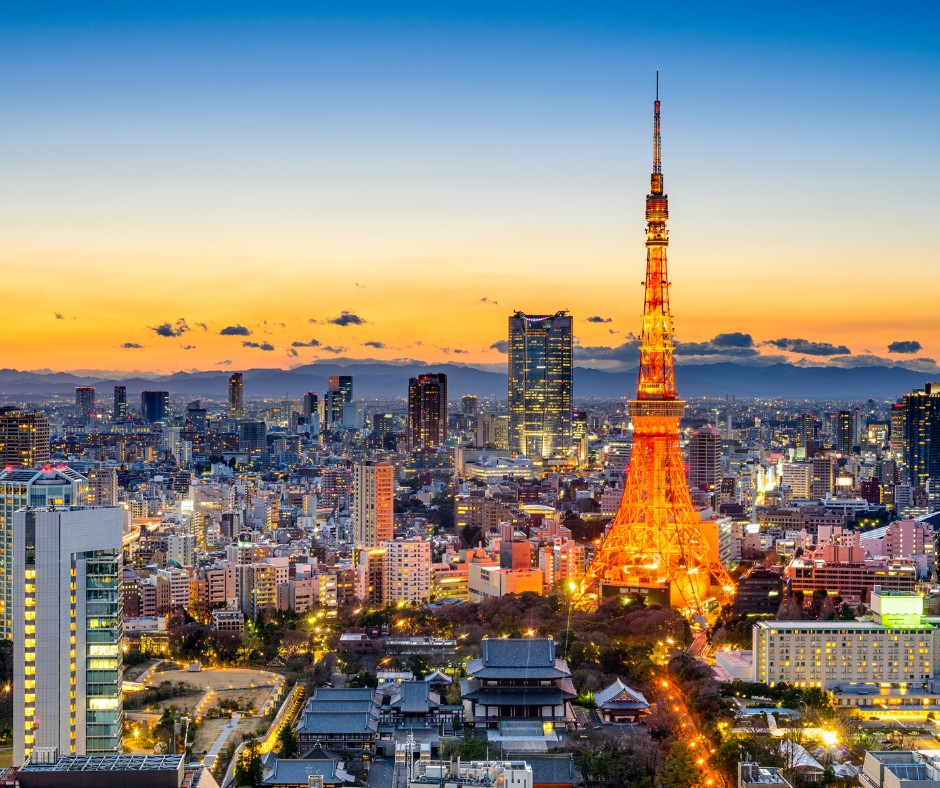
The area now known as Tokyo began around the city of Edo, which established itself as a centre of commerce, art and high culture in Japan during the 17th and 18th centuries. It was renamed Tokyo and became the capital of Japan in 1869.
During the late 19th century, Japan underwent rapid modernisation and cultural transformation, including the construction of roads, railways, and telecommunications lines. The city suffered significant damage from the Great Kanto Earthquake in 1923 and later during World War Two. Cycles of economic booms and busts occurred throughout the late 20th century, paralleled by the rise of consumerism and fluctuations in population growth and decline in the city. Tokyo now boasts a population of over 13.9 million people in its centre and over 38 million in its metropolitan area, making it the world’s largest city.
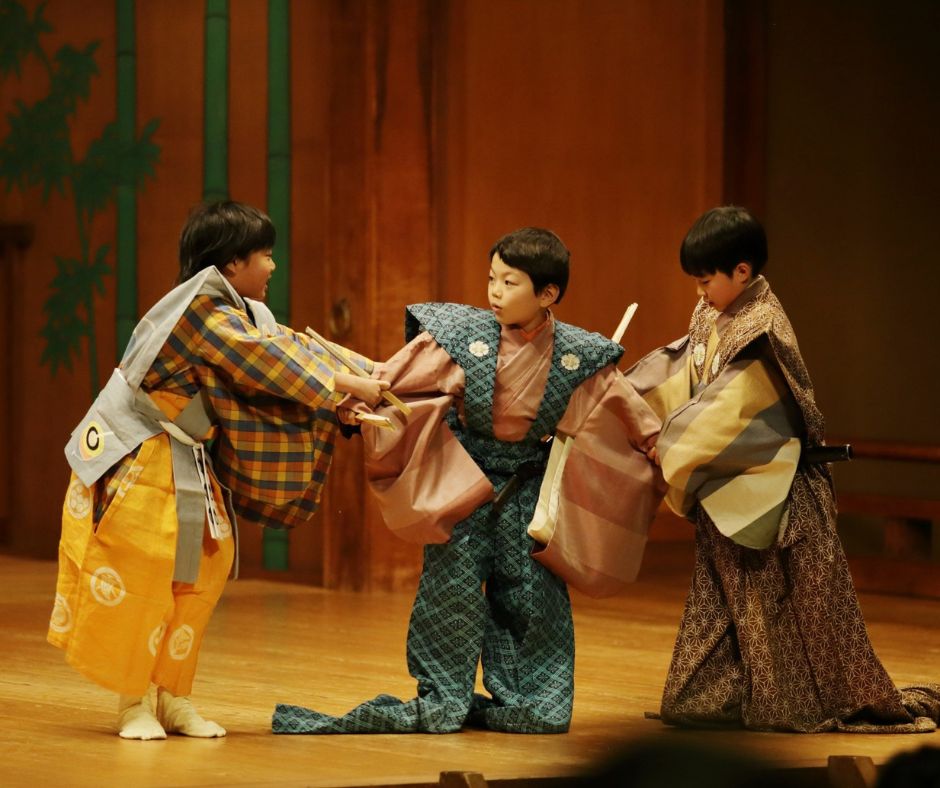
Today, Tokyo is a city where innovation blends with tradition. It is renowned for its historic shrines and temples, as well as traditional performing arts such as Noh, Kabuki, and Rakugo, which have been cherished for centuries. Prominent venues celebrating Japanese cultural traditions include the Kabukiza Theatre, the National Noh Theatre, and the Kokugikan Hall. Tokyo is also recognised for setting new trends in fashion, music, art, technology, and animation. It serves as a cultural hub for creators not only in Japan but also from around the world.
Community engagement, social impact and policy innovation
The city’s ambition is to create an environment where everyone can enjoy the arts, whether it’s “culture on the street” or “culture online.” This involves retaining the best lessons learned during the pandemic about disseminating culture in new forms, establishing a robust network of arts within and outside the city, and fostering stronger ecosystems for artists and cultural organisations.
The city has a history of supporting creative wellbeing projects, including those which target specific groups, such as the elderly and the young.
Images copyright © Getty Images / Canva; City of Tokyo