Cultural Policy in Sydney
A focus on retaining and supporting creatives, creative infrastructure and supporting cultural participation

Cultural policy
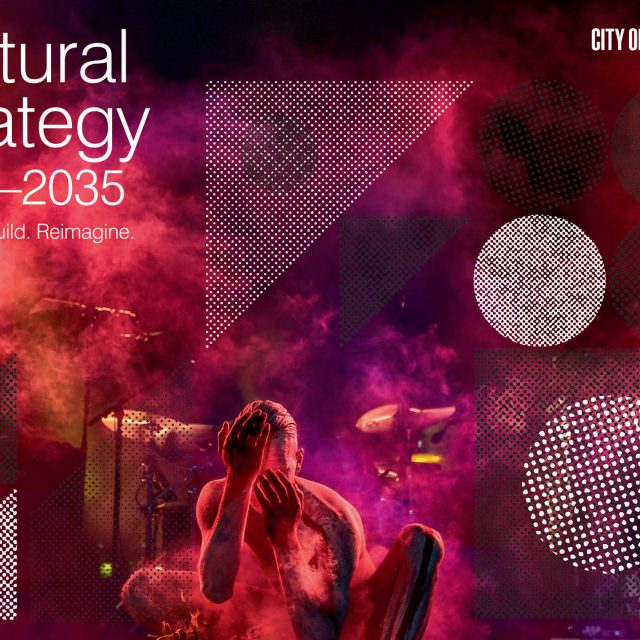
Cultural policy in Sydney is managed by the City of Sydney. The City of Sydney’s vision for the future is grounded in two long-term roadmaps. ‘Sustainable Sydney 2030–2050: Continuing the Vision’ is a strategic plan aimed at making the city green, global, and connected. It is complemented by the ‘Creative City’ cultural policy and strategy, which identifies priorities for the city’s cultural life. The city’s Cultural Strategy 2025 – 2035 recognises the high cost of living and property prices as threats to creative industries in the city.
The cultural strategy focuses on four strategic ‘cultural pillars’:
- The right to culture: celebrating the diversity of culture across the city
- Creative workforce: championing creatives and creating opportunities for employment and talent retention
- Cultural infrastructure: plan for and protect infrastructure needed to support its creative industries
- Creative participation: creating opportunities for civic engagement in creative practice
Particular focus has been given to supporting creative workspace. In the decade to 2022, Sydney lost almost 12% of its artist population and more than 170,000 square metres of commercial floorspace dedicated to creative industries. It’s cultural strategy sets out plans to provide seed funding to facilitate the establishment of a creative land trust, a model used by other cities around the world, including London and San Francisco [links].
Cultural policy in the areas surrounding the immediate city boundaries is managed by respective municipal councils, and the state of New South Wales, which Sydney sits in, has its own policy and programme teams too.
Cultural programmes
There are many different expressions of ‘culture’ and the City of Sydney takes a broad view, including heritage, knowledge and cultural practices of Aboriginal and Torres Strait Islander peoples, the expressions of identity of diverse multicultural communities as well as the arts and creative industries.
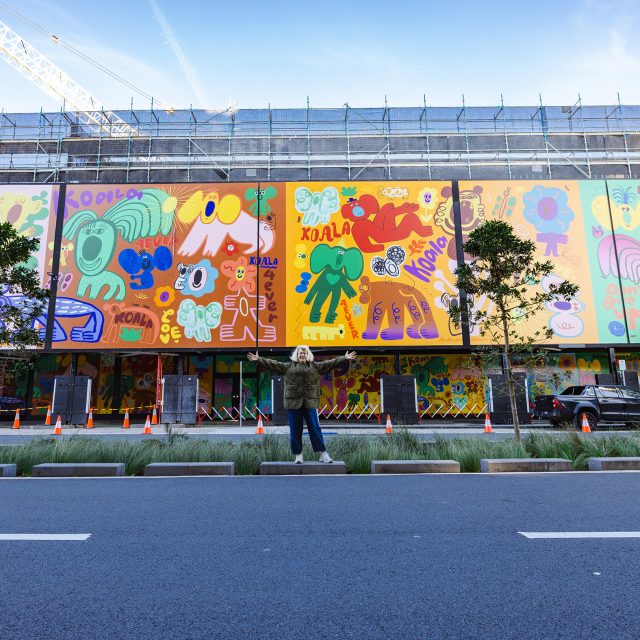
City of Sydney invests at least $40 million (AUD) in Sydney’s cultural life each year. This includes producing free major public events like Sydney New Year’s Eve and Art & About Sydney, sponsoring major festivals like Sydney Festival and the Biennale of Sydney, commissioning new public artworks and providing practical support and funding for our creative communities.
During the Covid-19 pandemic, efforts to revive the city’s cultural offerings after the pandemic include a shift toward outdoor arts programming and dining. This transformation is facilitated by funding for new cultural programming and the reduction of bureaucratic red tape. It marks a shift for a city that previously centred its outdoor offerings around beach life and sports.
At a state level, there is renewed focus on its night time economy. The appointment of a 24-Hour Economy Commissioner and an associated strategy aims to diversify the nighttime offerings, integrate planning and placemaking, support new nightlife businesses, and enhance transport connections, revitalizing this sector.
Cultural heritage and infrastructure
Sydney is situated on the land and waters of the Gadigal people of the Eora Nation. First Nations Australians are integral to the world’s oldest living culture, dating back over 60,000 years. In 1788, Sydney marked the initial contact with the British, who established a penal colony on this site. Subsequently, the lands of more than 500 Aboriginal and Torres Strait Islander nations across Australia were appropriated, resulting in the near erasure of cultures and languages. Nonetheless, Aboriginal and Torres Strait Islander cultures have persevered and are increasingly recognised as vital components of Australia’s cultural fabric and contemporary multicultural identity.
First Nations’ approaches to land and water management are also gaining significance in light of the escalating climate crisis. In Sydney, acknowledging Eora histories, cultural practices, and preserving Gadigal language have become paramount for the community and the cultural sector.
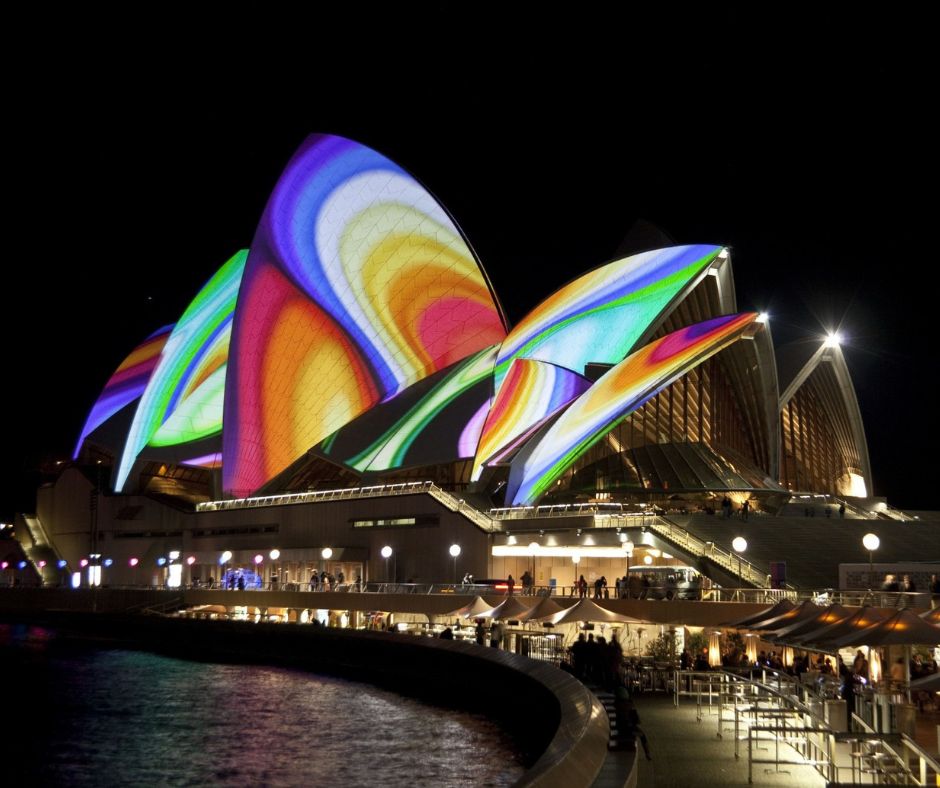
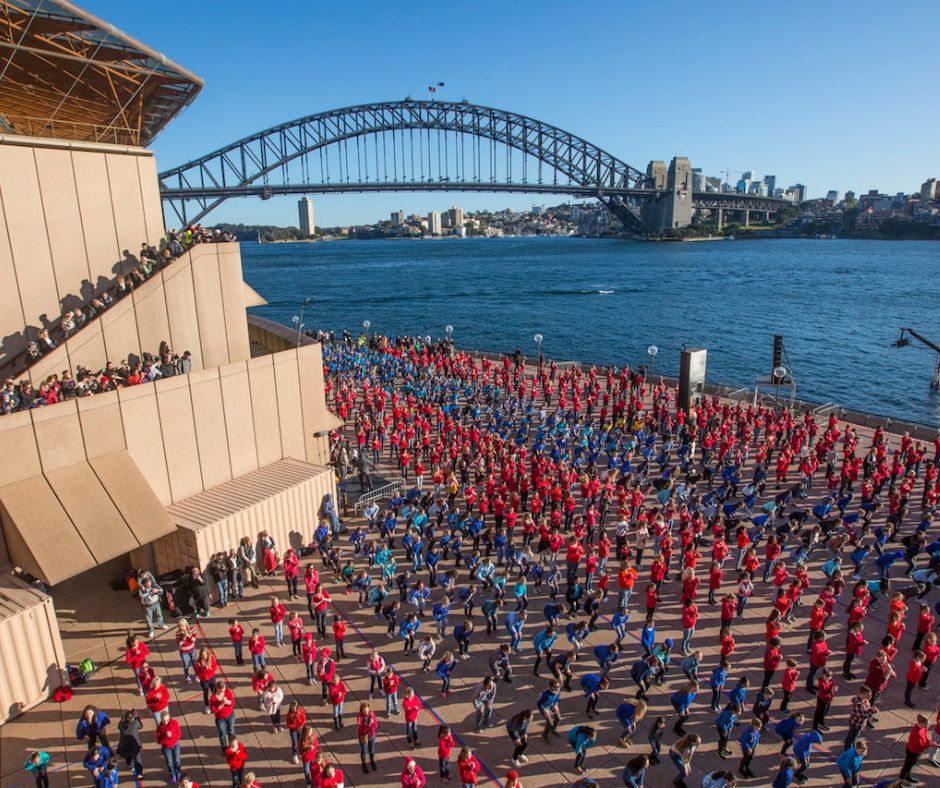
The natural beauty of Sydney Harbour provides a stunning backdrop for its major cultural institutions. The iconic Sydney Opera House remains a key attraction and is within a waterside stroll of the Royal Botanic Garden, Art Gallery of New South Wales, and the Museum of Contemporary Art. The Sydney Theatre Company, Sydney Dance Company, and Bangarra Dance Theatre are located nearby in the Walsh Bay Arts Precinct, not far from the emerging Barangaroo precinct that connects Darling Harbour and the International Convention Centre. Recent plans for the addition of ‘Yananurala | Walking On Country’—a multi-faceted art walk along nine miles of shoreline—reflect the City of Sydney’s commitment to working closely with the community and artists to ensure this part of Sydney commemorates and reflects Aboriginal culture and history.
Community engagement, social impact and policy innovation
The City of Sydney, where many political and cultural institutions are situated, covers a relatively small area compared to the Greater Sydney metropolitan region, which stretches along the coast and inland. Prior to the Covid-19 pandemic, Sydney was experiencing an unprecedented phase of expansion. Greater Sydney was growing at a rate of approximately 1.7% per year, with the population projected to increase by one million people over a fifteen-year period starting from 2016. Following the pandemic’s impact on migration, Sydney’s population decreased by 0.1% in 2021. This marked the first time since 1981 that overall population growth in regional Australia exceeded that of Australian capital cities, primarily due to a decline in residents in Sydney and Melbourne.
Modern Sydney is home to one of the world’s most culturally diverse populations. There is a strong presence of East Asian and South Asian diasporas, contributing to Sydney’s growing reputation for showcasing Asian contemporary art. LGBTQ+ communities also play a central role in Sydney’s social experience and cultural identity, shaping festivals, cultural programming, and the city’s nightlife. Sydney hosted WorldPride in 2023.
The City of Sydney is also addressing persistent challenges that have spanned decades: the limited availability of cultural space, the residential redevelopment of industrial areas, and an affordability crisis that has reduced the creative industries from the city’s third-largest to its fifth-largest sector.
Facilitating new and more meaningful relationships between the cultural and property development sectors promises to reverse the trend of losing cultural venues, recognising their essential role in a dynamic and expanding city.
Images copyright © Getty Images / Canva; City of Sydney