Cultural Policy in São Paulo
São Paulo is the largest city in the Southern hemisphere and the economic powerhouse of Brazil

Cultural policy
The Municipal Culture Secretariat of São Paulo (SMC) is the key city-level organisation that manages public libraries, theatres, municipal schools of art, museums, and other infrastructure. SMC works closely with other organisations such as São Paulo’s Film and Audiovisual Company (SPCine), Municipal Theatre Foundation (FTM), and São Paulo Tourism (SPTuris).
There is also a strong culture of private funding for culture in Brazil, so the city works closely with organisations such as Itaú Cultural and Brazil’s Bank Cultural Centre. SMC sees an important role for itself in working collaboratively with public and private stakeholders and state and federal governments, such as the State Culture & Creative Economy Secretariat. It is also looking to restructure to better work across other sectors, including human rights, technology and innovation, education, and health.
Cultural programmes
Cultural access and mobility are ongoing challenges that the municipality is taking active steps to address. The city is increasingly decentralising its budgets and planning to enable more equitable access to cultural resources and promote a more decentralised cultural economy. In order to better understand the needs of their communities, the municipality is investing in better data frameworks for policymaking. São Paulo is creating the Municipal System of Cultural Information and Indicators, which will also be available for public access online.
Cultural heritage and infrastructure
The city of São Paulo is now the largest in Latin America and the economic powerhouse of Brazil. The city’s growth and industry were driven by a vibrant immigrant population, and the people of São Paulo are proud of their multicultural roots. This cosmopolitanism has fostered a dynamic music scene. From samba and hip hop to the avant-garde rock movement ‘Vanguarda Paulista,’ São Paulo has nurtured musical forms from across Brazil and the world. São Paulo has always been at the cutting edge of culture.
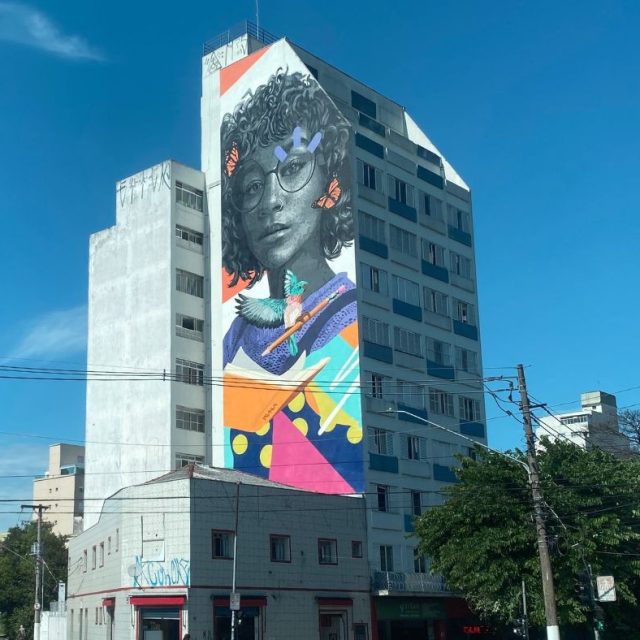
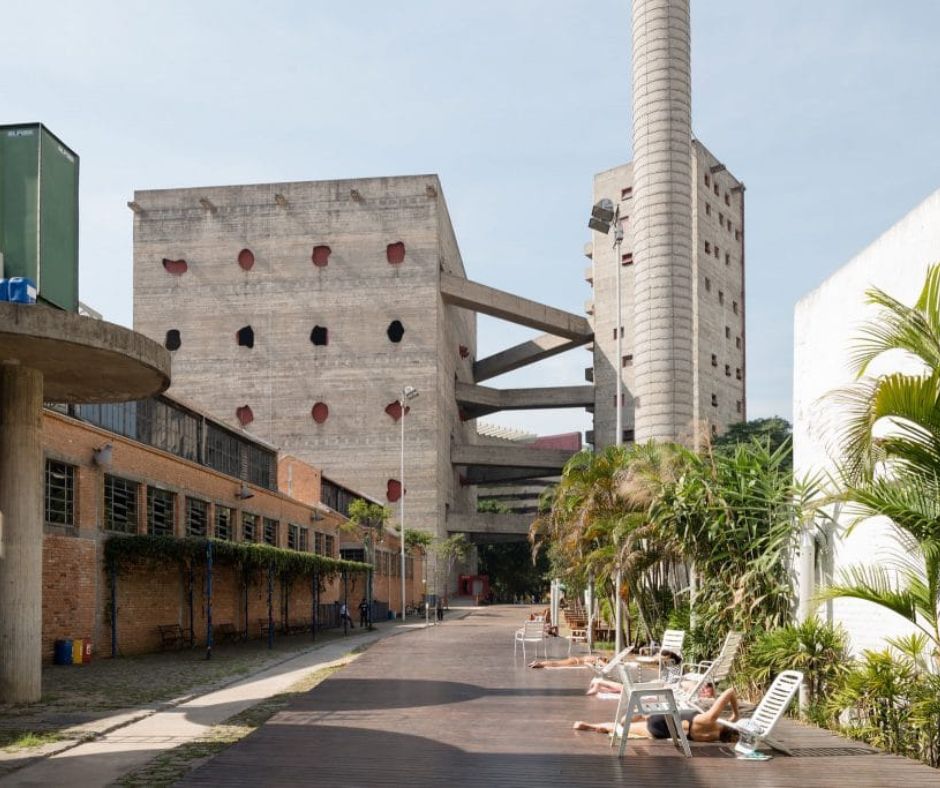
At the beginning of the 20th century, the Brazilian modernist literary movement was driven by writers from São Paulo such as Mário de Andrade and Anita Malfatti. The city houses a wealth of major cultural institutions, including the Pinacoteca State Gallery of São Paulo, São Paulo’s Museum of Art (MASP), the Municipal Theatre of São Paulo, and Mário de Andrade Library. However, much of São Paulo’s culture is found on the streets of the city. São Paulo is an ‘open-air museum,’ with many architectural styles, including Neo-Gothic and modernist buildings by Oscar Niemeyer. São Paulo is famous for its carnival, and the municipality actively encourages street art, festivals, and activities by citizens in the public realm.
Community engagement, social impact and policy innovation
The city’s 10-year cultural plan was developed collaboratively in 2016 in alignment with the National Culture Plan and National Culture System. There are 5 key priority areas to build on the cultural ecosystem:
- State and social participation: Prioritising human rights through cultural participation, inclusion, cultural and digital citizenship, and embedding cultural participation across all levels of funding and management.
- Cultural infrastructure: Developing infrastructure through shared management structures, public engagement, and decentralised planning.
- Cultural heritage and memory: Safeguarding and sharing heritage assets.
- Cultural diversity: Cultivating diversity through activities such as cultural exchange, cultural education, programming, and funding mechanisms.
- Economy of culture: Supporting economic development through culture and its entire ecosystem.
Images copyright © Getty Images / Canva