Cultural Policy in Lisbon
Lisbon is one of the most ancient cities in Europe, but with a lively cultural scene that has seen big changes in the 21st century
Cultural policy
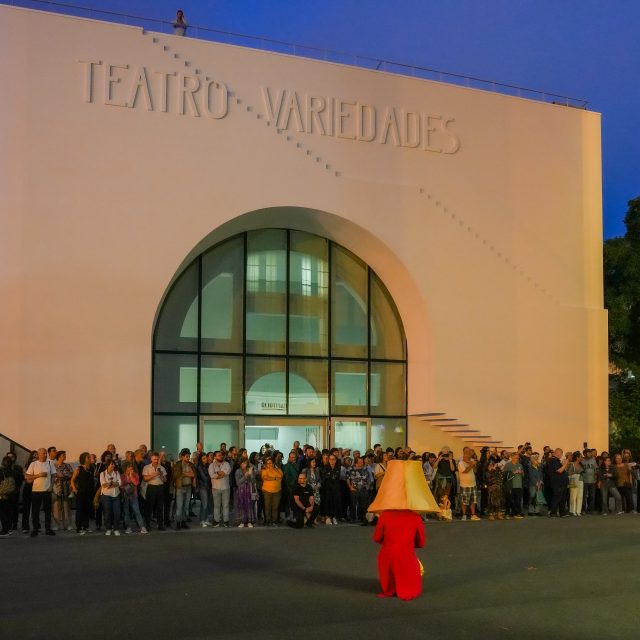
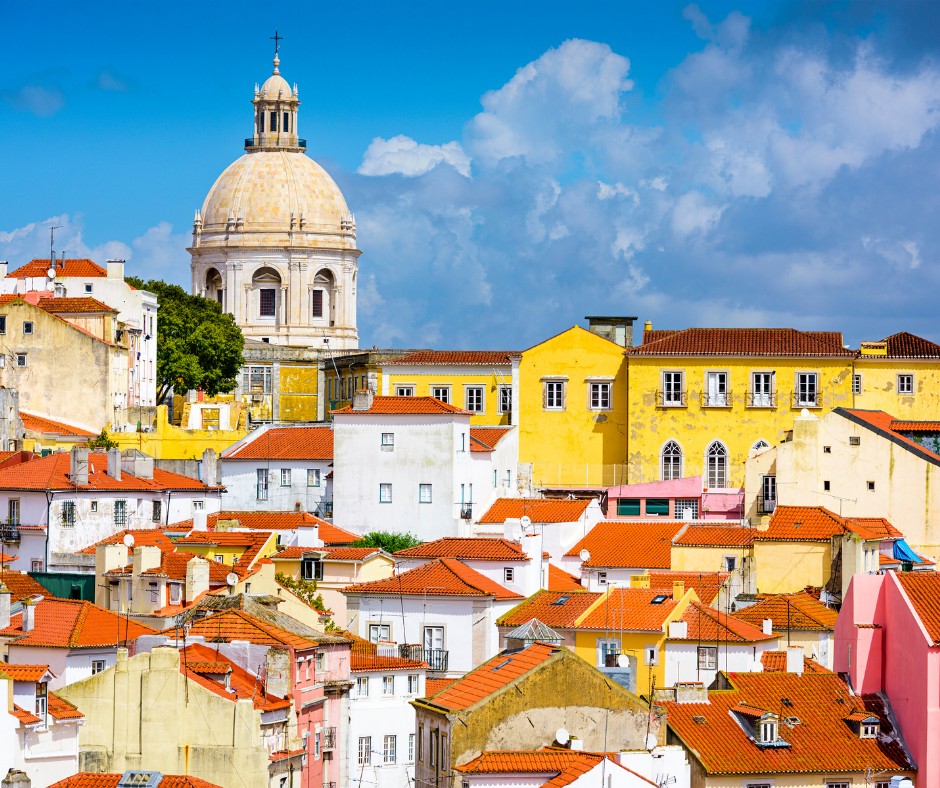
Culture in Lisbon is managed by the City Council, which sets strategy for the city. The City of Lisbon is part of the wider Greater Lisbon Area, a regional administrative body of 18 cities, each with their own local administrations. Lisbon districts have their own specific characters. Alfama is known for its restaurants and tourist attractions; Bairro Alto and Cais do Sodré for bars and nightlife, as well as arts venues. Martim Moniz, Intendente, and Anjos, meanwhile, are each home to specific ethnicities and nationalities.
Cultural programmes
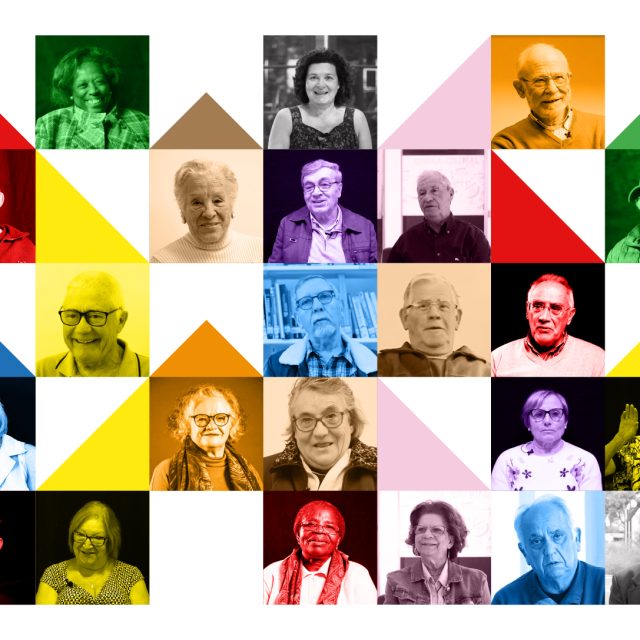
Recent strategy has focused on improving cultural participation through the city’s ‘culture pass’ which provides access to over 40 cultural venues for residents aged up to 23 and over 65. The city is also focusing on providing culture in every neighbourhood, ‘decentralising’ facilities and activities so that access is improved. The city’s policy of creating cultural quarters – or “proximity cultural centres” – was explored in a Leadership Exchange with Montreal in 2022. Lisbon has also focused on reducing social isolation and supporting street art.
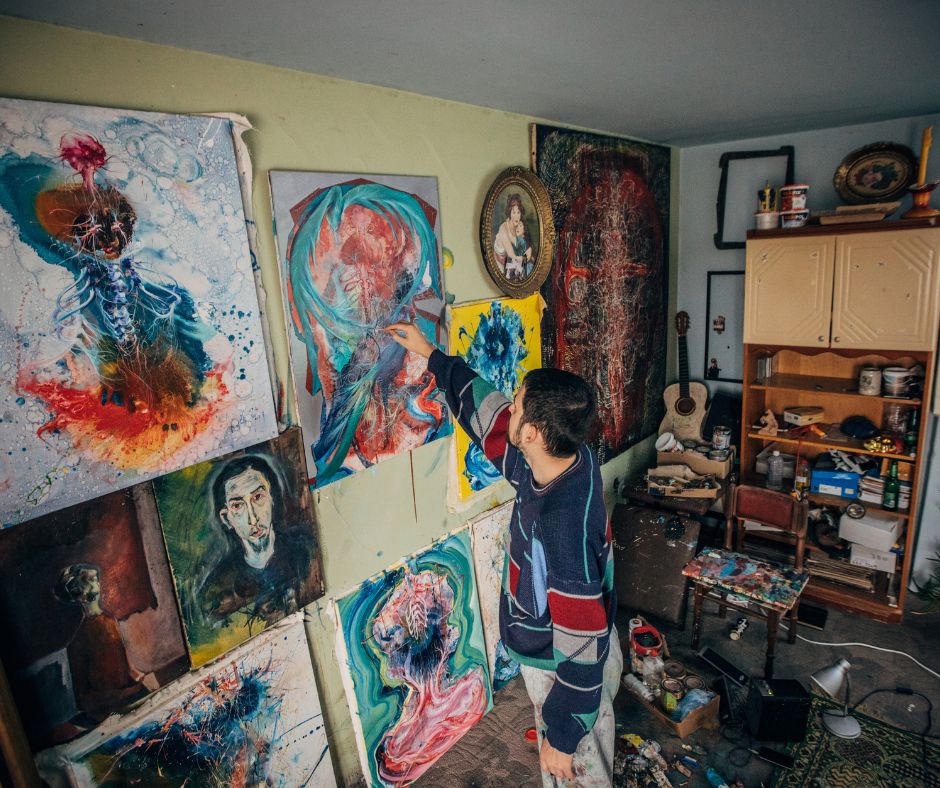
Lisbon’s cultural landscape presents a unique challenge: the need to accommodate fragmented cultural groups. The city’s cultural scene is predominantly composed of small companies and individual artists, with fewer established institutions. Many of these artists operate on a non-profit basis and often have informal contracts, relying on support from the national and city government. However, this also makes them vulnerable to fluctuations in their income.
To address this challenge and further empower the cultural community, the goal is to enhance support systems. This includes not only providing grants but also offering dedicated spaces for studios, storage, and rehearsals. Additionally, policymakers aim to introduce more co-working spaces and establish robust support networks, particularly for young and emerging artists.
By fostering a stronger, more interconnected cultural ecosystem, the city seeks to empower the diverse cultural groups and ensure the resilience and vibrancy of Lisbon’s cultural scene for generations to come.
Cultural heritage and infrastructure
Lisbon stands as one of Europe’s most ancient cities, having endured earthquakes, fires, coups, and revolutions throughout its history. Its strategic location on the Atlantic coast of the Iberian Peninsula profoundly influenced the city and the nation, serving as a launching point for Portugal’s explorations into Africa, South America, and East Asia. In the 20th century, Lisbon experienced significant growth and was shaped by waves of immigration.
In the 1980s, a major fire prompted rapid urban redevelopment, further accelerated by Portugal’s accession to the European Community. Additionally, cultural events like the European Capital of Culture in 1994 and Expo 98 left a lasting impact on the city, contributing to its transformation and growth.
In 2011, culture-related economic activities represented 8% of employment in the territory. One of Lisbon’s most famous cultural exports is Fado; a national music genre that was once marginalised but is now protected through inclusion on the UNESCO’s World Intangible Cultural Heritage List.
The city is renowned for architecture, especially for tiling and tile making, and is increasingly attracting young entrepreneurs and creatives due to its rich history and relative affordability. Encouraging the growth of art, technology, and other creative industries in Lisbon was a key part of Portugal’s response to the 2010 financial crisis, along with using culture to encourage greater civic engagement.
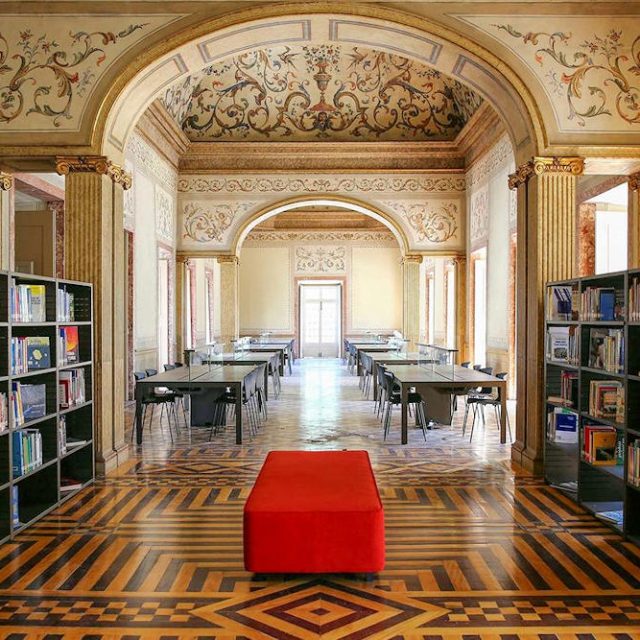
The city manages a range of cultural infrastructure including five municipal galleries and the Museu de Lisboa.
Community engagement, social impact and policy innovation
Lisbon’s recent success as a base for Europe’s creative freelancer community has come with some costs to local residents and businesses. The city has, to some extent, avoided the rampant speculation and gentrification faced by other world cities, due to many of the properties in the downtown area being owned by the City government. However, Airbnb and similar outfits have recently been used to exploit much of the available accommodation in the centre of the city.
The effects of neighbourhood redevelopment have increasingly been seen in expensive restaurants replacing cheap cafes. Public opinion is divided; while some residents benefit from tourism, others are unhappy that too much infrastructure is being directed to serve foreigners. The City Council is seriously tackling this issue with several initiatives, such as the Historical Shops policy, which recognises the historic value of traditional businesses.
© Images Courtesy of Getty/Canva