
Tourism Tax: Edinburgh is introducing the UK’s first Visitor Levy
Project: Creating a funding stream to upkeep the city’s cultural infrastructure
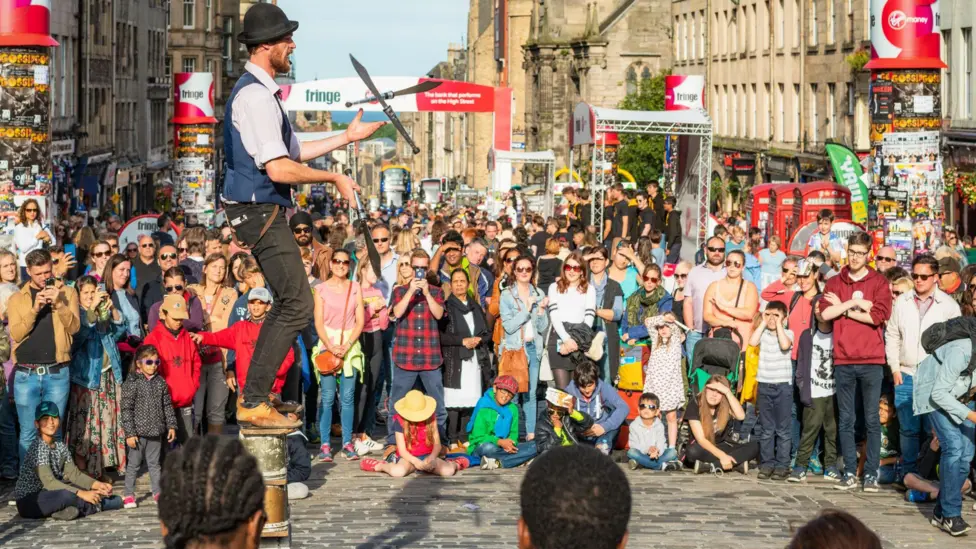
Edinburgh has long been recognised as one of the world’s greatest cultural and heritage cities. To safeguard this position while managing the pressures of tourism, the City of Edinburgh Council is introducing the UK’s first Visitor Levy. From July 2026, this policy will create a sustainable funding stream to support the city’s cultural assets, improve public services and infrastructure, and promote responsible tourism. The levy reflects a broader commitment to ensuring that residents and visitors alike benefit from the city’s creativity, heritage and innovation.
Designing a fair and sustainable levy
Although visitor or bed taxes are common in many international cities, Edinburgh will be the first in the UK to implement such a measure. Establishing the levy required significant consultation with the public, accommodation providers, and cultural stakeholders to ensure transparency and balance. The scheme is designed to raise £118 million in its first three years, delivering resources that will be reinvested into the city. The introduction of the levy also responds to long-standing challenges around funding cultural infrastructure, protecting community wellbeing, and addressing the environmental impact of tourism.
The Edinburgh Visitor Levy has been set at 5% of the accommodation cost, capped at five nights. As a city known for its art and comedy festivals, this ensures that while visitors contribute fairly to the city’s upkeep, festival performers and participants – many of whom stay for up to four weeks – are not disproportionately affected. By 2028, annual revenues are expected to reach £45-50 million. £5 million will be spent on housing and tourism mitigation; £2 million will be spent on participatory budgeting over three years; and 2% will be applied to administrative costs.
Strengthening culture, heritage and events
Providing the single largest boost to cultural funding in Edinburgh since the introduction of the National Lottery, 35% of the remaining funds will be dedicated to culture, heritage, and events. 55% will be spent on city operations and infrastructure. And the remaining 10% will be spent on destination management. This allocation will transform the cultural funding landscape of the city, redressing years of standstill budgets and providing long-term security for organisations and venues.
Investment priorities are divided into two broad themes. The first is infrastructure: modernising cultural buildings; reinvigorating collections; creating funding opportunities to attract touring exhibitions; achieving the city’s net zero 2030 targets; and extending cultural provision beyond the city centre.
The second is supporting cultural organisations and partnerships: strengthening the Creative Community Hubs network to enhance cultural provision in their communities; expanding the number of funding and number of Edinburgh’s core cultural partners; and attracting major events. These funding priorities will be signed off by Council committee at the end of 2025.
A model for responsible and innovative tourism
The Visitor Levy represents more than a funding mechanism: it is a strategic intervention to balance the needs of residents, visitors, and cultural institutions. By embedding investment in both infrastructure and creative practice, Edinburgh is positioning itself as a global model for cities grappling with the pressures of tourism while seeking to sustain cultural vitality. The policy demonstrates how fiscal innovation can underpin cultural resilience, support local communities, and strengthen a city’s international standing.