From trash to treasure: how cultural venues in Paris are embracing the circular economy
Project: developing policies that improve sustainability in the culture sector
The Purpose
Much like many cities addressing the challenges posed by climate change, Paris has integrated its “green charter” into all policy-making and industry sectors, including culture. To achieve this, a circular economy model is required that minimises waste and emphasises sharing, reusing, repairing, refurbishing and recycling materials for as long as possible.
The Challenge
Ensuring that environmental impacts and climate issues are considered at all levels of cultural production, from event installation and operation to venue management. The challenge of rallying numerous cultural actors to adopt a circular economy model is significant.
Paris has integrated its “green charter” into all policy-making and industry sectors, including culture, a circular economy model is required that minimises waste and emphasises sharing, reusing, repairing, refurbishing and recycling materials for as long as possible.
The Solution
In 2020, an initial assessment was conducted to identify the needs and challenges of implementing a circular economy in the cultural sector and to raise awareness among stakeholders. This effort resulted in the publication of a brochure distributed to the city’s cultural organizations, as well as other relevant bodies such as donors and cultural associations.
A crucial step involved identifying the areas and pillars of the circular economy, understanding how it could be applied to culture, and proposing terms. This process encompassed concepts such as eco-design, the economy of functionality, extending the duration of use, sustainable procurement, recovery and recycling, and raising awareness among actors and audiences, as well as engaged programming. Subsequently, Parisian cultural venues were engaged in innovating and experimenting with sustainable solutions throughout all stages of cultural creation, from design to delivery and consumption.
The Impact
By incorporating and developing eco-policies and procedures, some significant initiatives within the cultural sphere have been realised:
- Théâtre du Châtelet collaborated with the Lyon Opera, the Festival d’art lyrique, the Paris Opera, and other partners to undertake the eco-design of opera sets, resulting in a repertoire of standardised layout designs that can be adapted and reused in different venues.
- The Canopy Library, a centre dedicated to urban and digital cultures with special services for the deaf, has taken the lead on circular economy initiatives to reduce its environmental impact. This includes public services like recycling workshops, lectures, debates and urban walks, to help users understand the challenges of sustainable development. It also collaborates with the Paris Climate Academy, where young people and activists work towards a carbon-neutral, resilient and more equitable city.
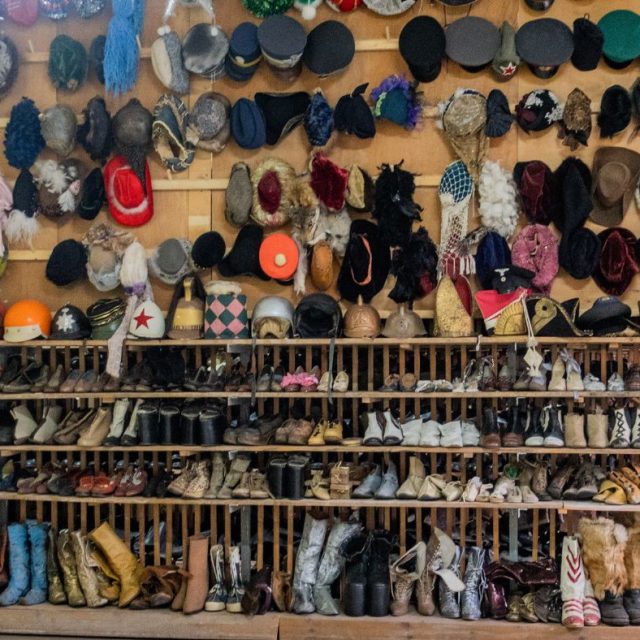
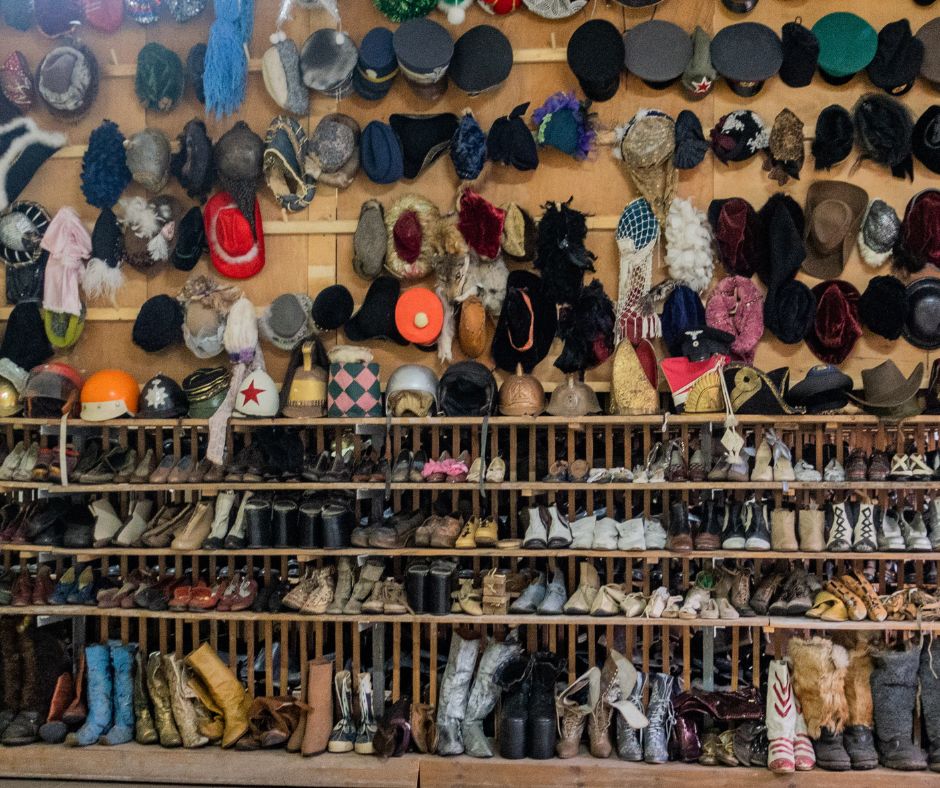
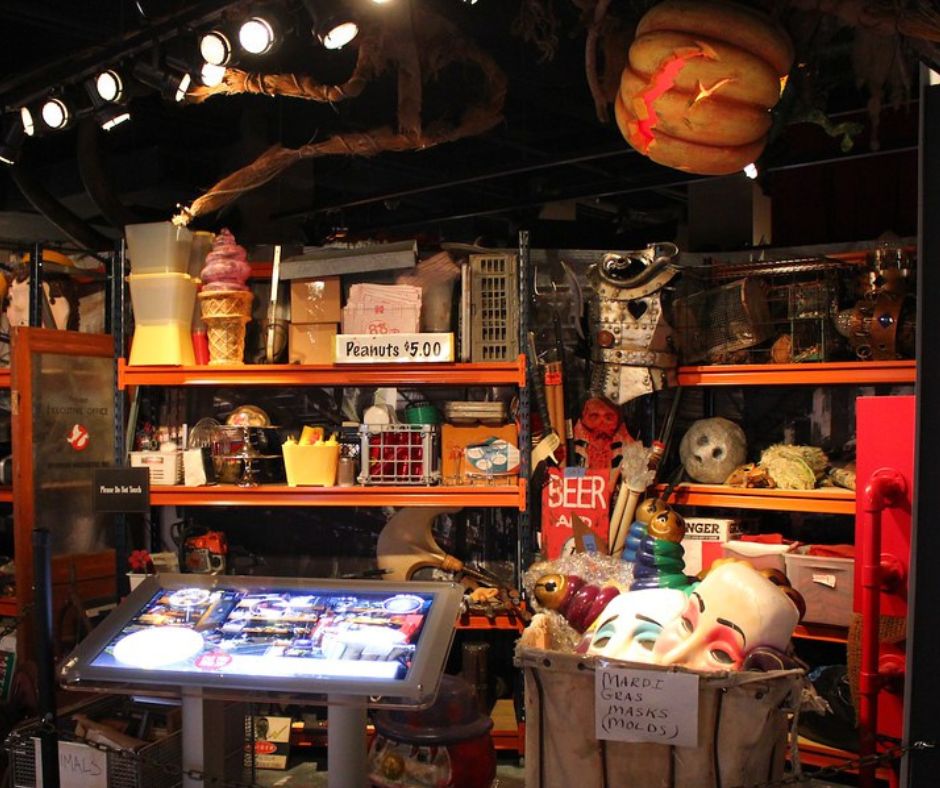
- Théâtre de l’Aquarium launched a circular economy approach, particularly focusing on its props and scene department. It hired a dedicated eco-responsible project manager to oversee the recycling, sorting, and inventory of recovered sets and materials, and to make them available to artistic and technical teams for future productions. This also involves workshops, awareness raising and training for professionals and apprentice scenographers regarding reuse and eco-design of sets.
- Paris Musées, responsible for managing exhibitions and collections across 14 establishments, implemented sustainable development objectives. It practices reusing scenes, props and furniture, which has resulted in financial savings and increased attention to using more durable materials like wood, marble and metals. This approach allowed museums to adapt and reuse scenes for several exhibitions, further contributing to financial savings.
All of this work aligns with Paris’ broader climate goals and its commitment at all levels of society to transition toward a more sustainable future through practical, everyday solutions.
Source: World Cities Culture Report 2022
Image Courtesy © Getty/Canva