HOW TO MAKE CULTURE COUNT: INNOVATIONS IN MAPPING DATA
Supported by Bloomberg Philanthropies

The Challenge
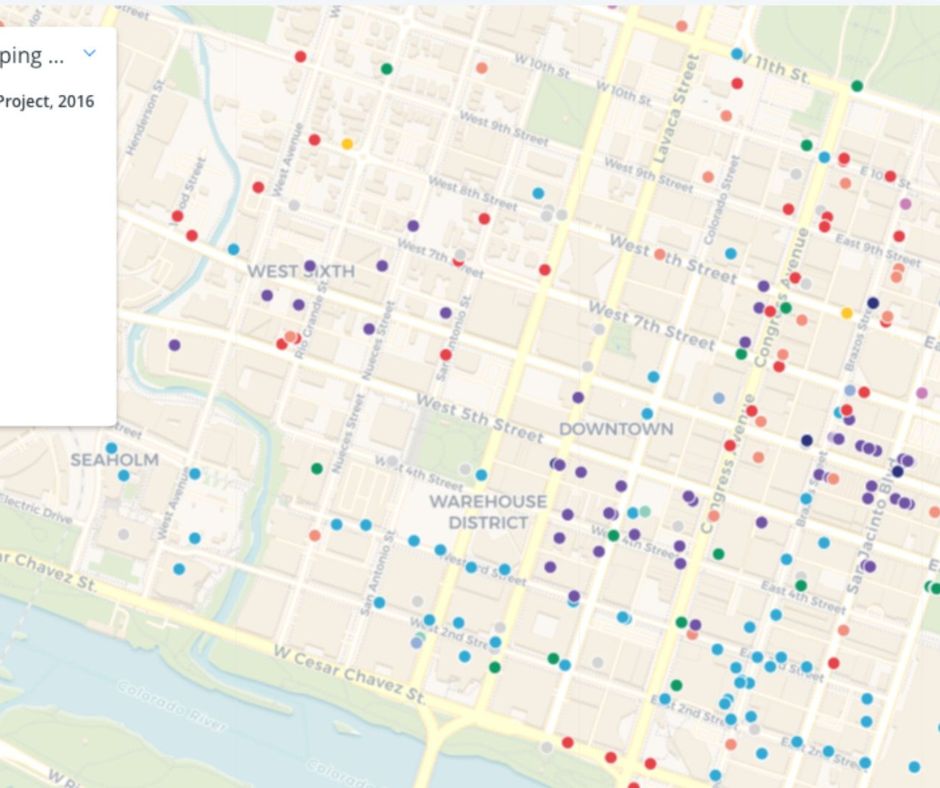
Data and mapping on cultural infrastructure provide key insights for evidence-based policy. Whilst cities have data on spaces for cultural consumption, there is little data on spaces for cultural production (like rehearsal rooms, recording studios, or maker spaces). The data required for these as well as for community spaces is often more granular and detailed than what is typically captured in the main measurement systems.
What other kinds of data are needed to better inform policy?
The Exchange
This exchange was delivered online due to Covid-19 travel restrictions. Between January to September 2021, the cities of Amsterdam, Austin, Barcelona, Chengdu, London, Los Angeles, Milan, Montréal and Stockholm met regularly online.
City team members from the culture, economic development and urban planning departments met with seven expert guest speakers to share approaches to producing evidence for city policy making, with an emphasis on geographic data.
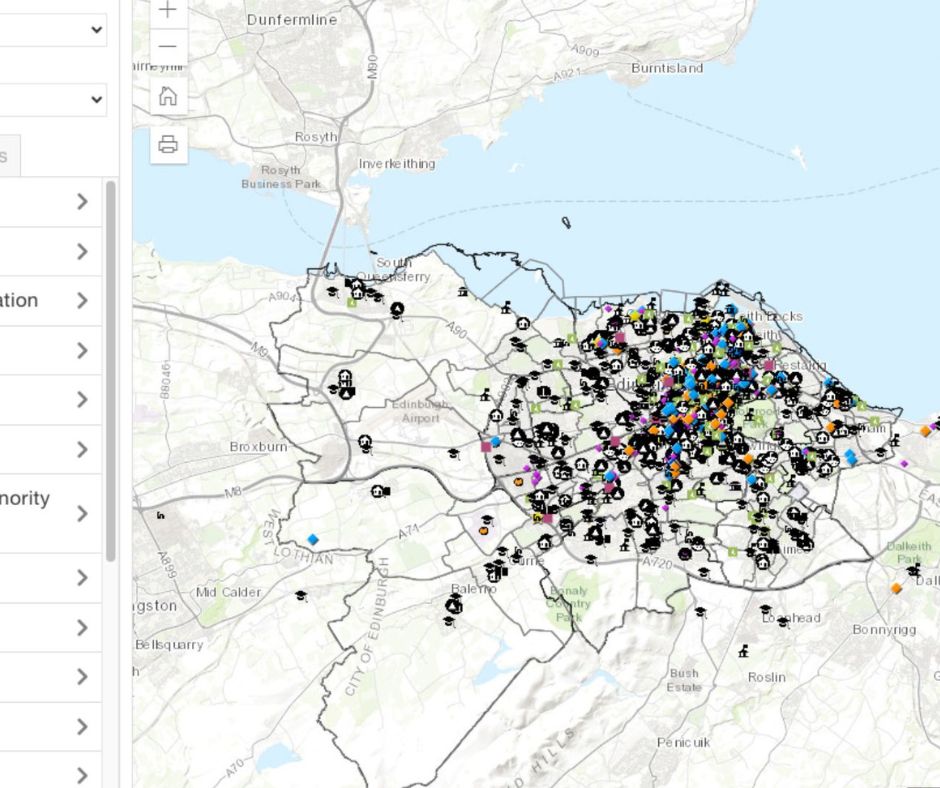
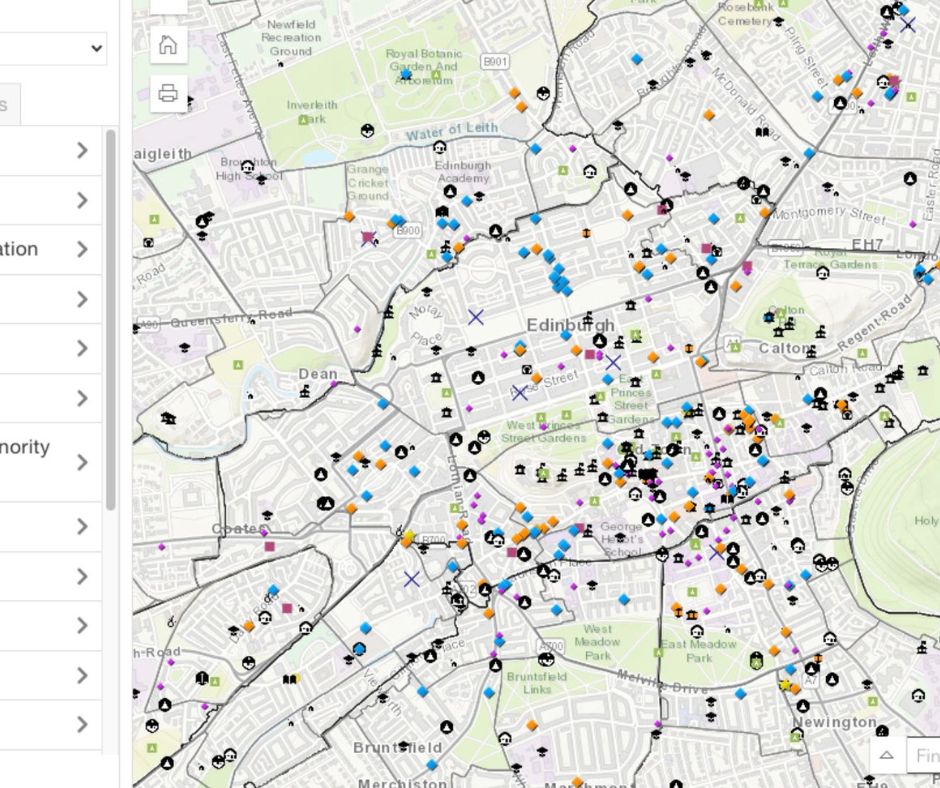
The session also included experts from University of Barcelona, University of Edinburgh and Drexel University, Philadelphia who shared their knowledge on creative informatics.
Lessons Learned
The groups developed six principles to commissioning city data and research projects:
- See measurement as a process, not an end-point.
- Decide specifically what needs to change, and be clear about the ‘ask’.
- Identify the target audience(s).
- Use both recognised and innovative data sources and research methods.
- Bring together domain experts.
Impact
The “Culture Counts: new approaches to evidence-based cultural policymaking in World Cities” Report (2022) that resulted from this exchange showcased how cultural data influences policymaking.
The report shows that a data-driven approach has a direct link to addressing urban challenges and enriching citizens’ lives. The insights shared in the report offer a guidance to cities worldwide seeking to unlock the potential of their cultural assets for building equitable and thriving urban communities.
The Culture Counts report showcases innovative city approaches from:
- Amsterdam’s Cultural Target group model, developed through a cultural audience study, enables understanding of audience preferences using ticketing data.
- Montreal uses public library and census data to prioritise library expansion projects.
- Stockholm and London created bespoke tools for developers, such as the London Cultural Infrastructure map, and Stockholm’s Culture Calculator, which assesses cultural infrastructure needs and their impact on land value.
- The Antelope Valley Art Outpost project led to hiring an artist as a mediator to address racial and cultural tensions in Los Angeles County’s land use plan.
Images Courtesy © WCCF