HOW CULTURE IS HELPING DRIVE ZERO-WASTE CITIES
Supported by Bloomberg Philanthropies

“Very practical approach, focused on achieving goals and implementing projects, not just talking. A lot of data and proof these sorts of actions can be very cost effective, sometimes at a very low cost.”
Leadership Exchange Participant
The Challenge
Waste management is a big issue for cities. How can the creative economy help reduce, recycle and reuse? For example, London has an annual waste bill exceeding £2billion (‘Too Good to Waste’ Report, 2022). With the creative economy employing 1 in 5 jobs in London, how can the city encourage the creative industries toward a zero waste city?

The Exchange
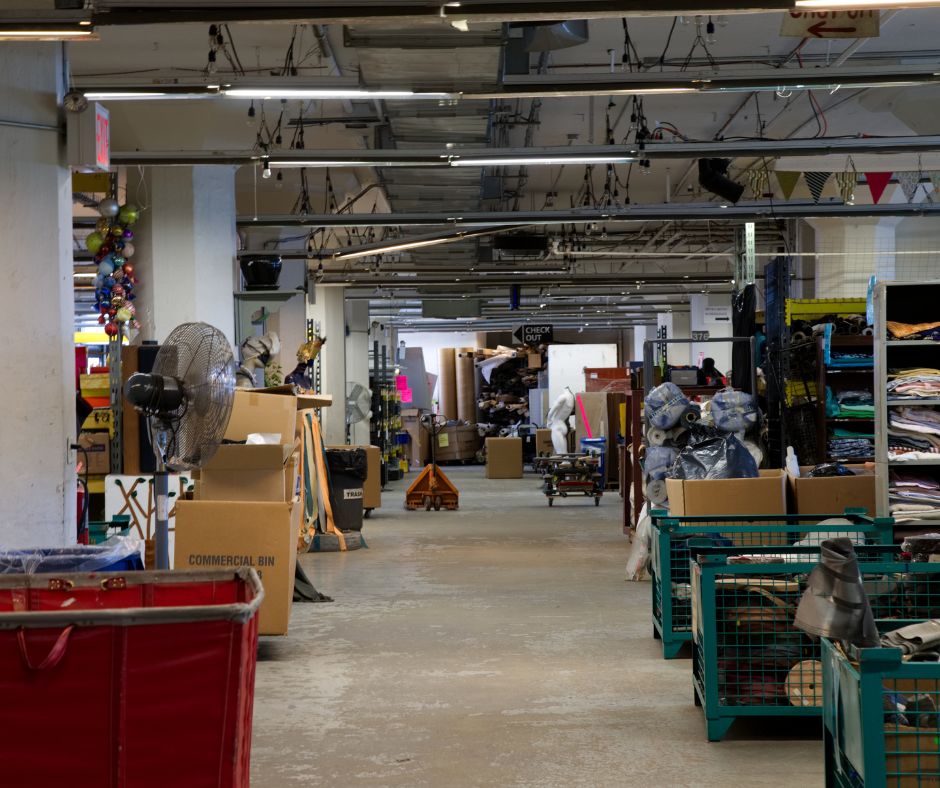
London visited Materials for the Arts in New York, a project that collects used materials and offers them for free to organisations and schools, diverting almost 1,000 tons of waste from landfills each year.
Materials for the Arts is a partnership between New York’s Departments of Cultural Affairs, Sanitation and Education with the aim of upcycling and reusing materials. Started in the 1970s, it now serves over 4700 members including arts organisations, public schools, nonprofits and City agencies, and collects over 1 million pounds of material per year.
The London participants visited Materials for the Arts to understand the project in action, its impact in New York City and to learn how to set up a similar project in London.
Lessons Learned
To replicate this initiative in another city you need to establish a collaboration between arts organisations, waste disposal companies, sanitation, education, and culture departments. The project is set on three steps:
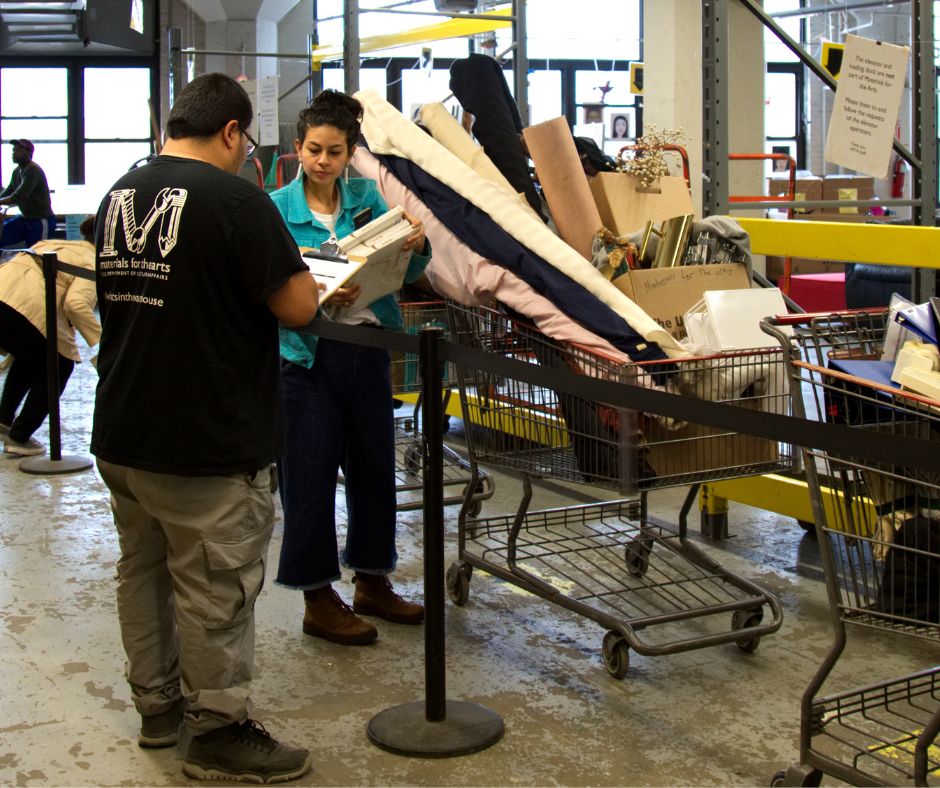
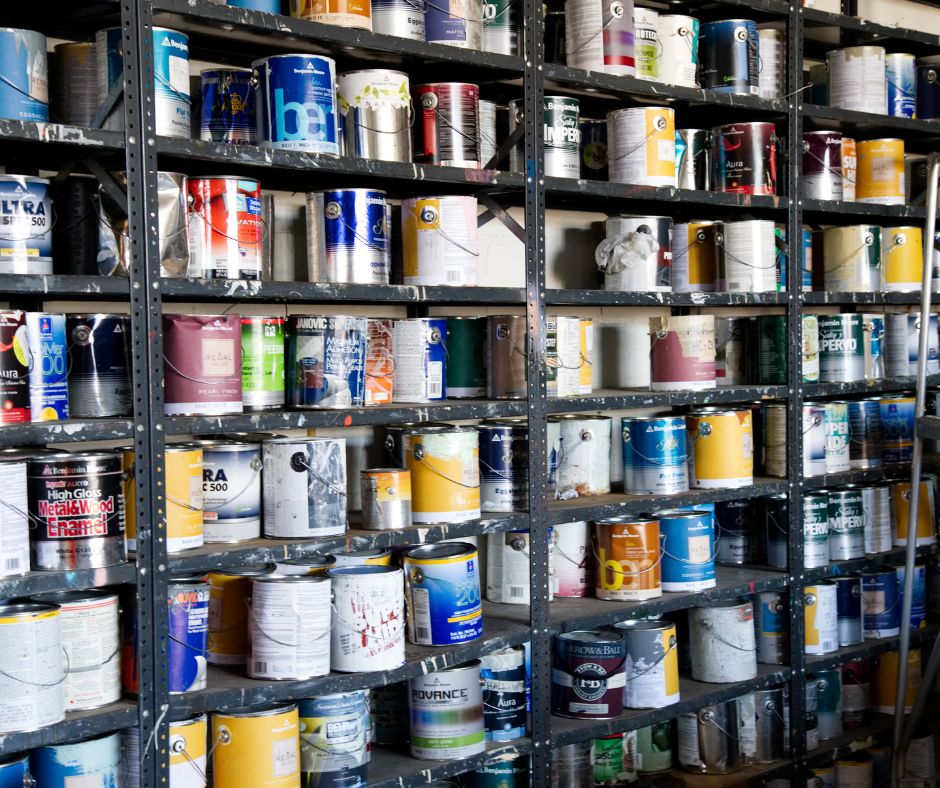
- Receive: divert surplus items away from the waste stream by taking in donations from individuals and businesses.
- Reuse: Schools and organisations find innovative ways to use these materials by creating artwork and unique projects.
- Redistribute: Materials are given out for free to non-profits and schools with ongoing arts programming in the city.
Impact
Informing London’s circular economy
- Inspired by New York, London embarked on a mission to establish a similar program. The project had to adapt to London’s municipal structure and funding landscape and work in collaboration with the city boroughs and a local resource management company.
- The exchange allowed the London team to rethink their initial approach to waste management. They worked with ReLondon (formerly the London Waste and Recycling Board) to look at how knowledge could be shared more widely with the creative sector. The work was interrupted by the Covid-19 pandemic.
- Today, London is leading the creation of a Theatre Reuse and Recycling Centre, set to enhance sustainability in the theatre industry.
Spotlighting New York’s circular economy
- The exchange highlighted the need for better awareness of the programme so Materials for the Arts is currently expanding its engagement programs to educators and practitioners.
- Its education centre runs artist-in-residence programmes, a gallery and free monthly creative reuse workshops.
Images Courtesy © City of New York