
Australia’s Festival City and a UNESCO City of Music
A city built on social progress, redefining itself as a global cultural innovator
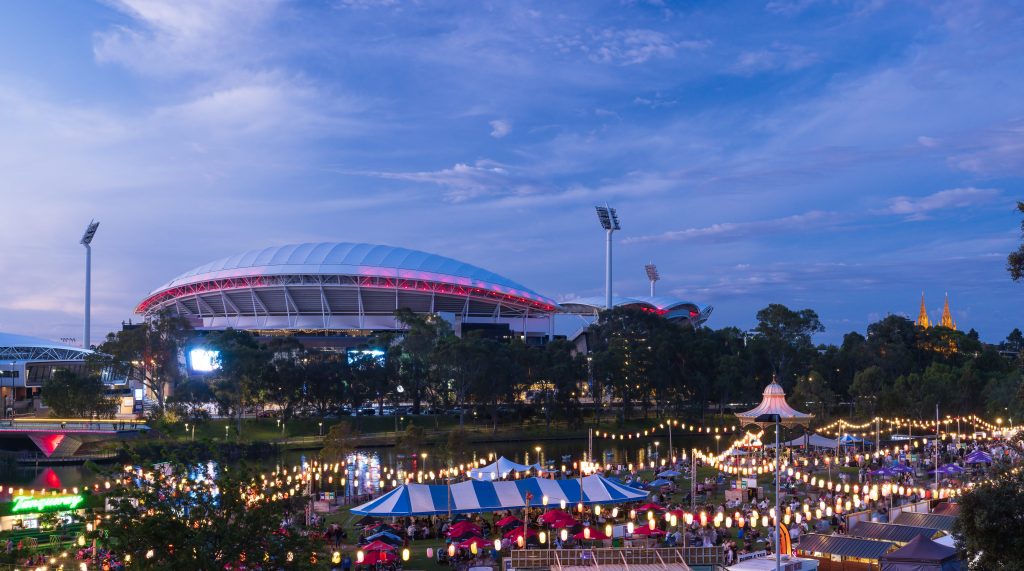
Adelaide (Tarntanya) is the capital of South Australia and the civic, cultural and commercial heart of the state. Built on the traditional Country of the Kaurna people of the Adelaide Plains, it is uniquely designed as the world’s only city entirely encircled by Park Lands, with the River Torrens / Karra Wirra Parri running through its centre. Adelaide’s distinctive layout and Park Lands are recognised on the National Heritage List and underpin the city’s commitment to integrating nature, public space and urban life.
Adelaide was founded on ideas of social and political freedom and continues to reflect these values today. A university city and innovation hub, it attracts global talent and investment and is recognised as one of Australia’s most competitive places to do business. Its population is young and diverse, with 20–29-year-olds the largest age group; 25% of residents born overseas and 41% arriving from elsewhere in Australia.
Cultural heritage
The city is internationally known for its cultural life and creative excellence. Adelaide is Australia’s Festival Capital and home to the Adelaide Fringe – the largest arts festival in the Southern Hemisphere – alongside a year-round calendar of major cultural events. As Australia’s first and only UNESCO Creative City of Music (designated in 2015), Adelaide is committed to strengthening its music ecosystem, supporting industry development, and elevating local talent globally. It is also home to CASM (the Centre for Aboriginal Studies in Music) the only university‑based centre dedicated to studies in First Nations music in Australia.
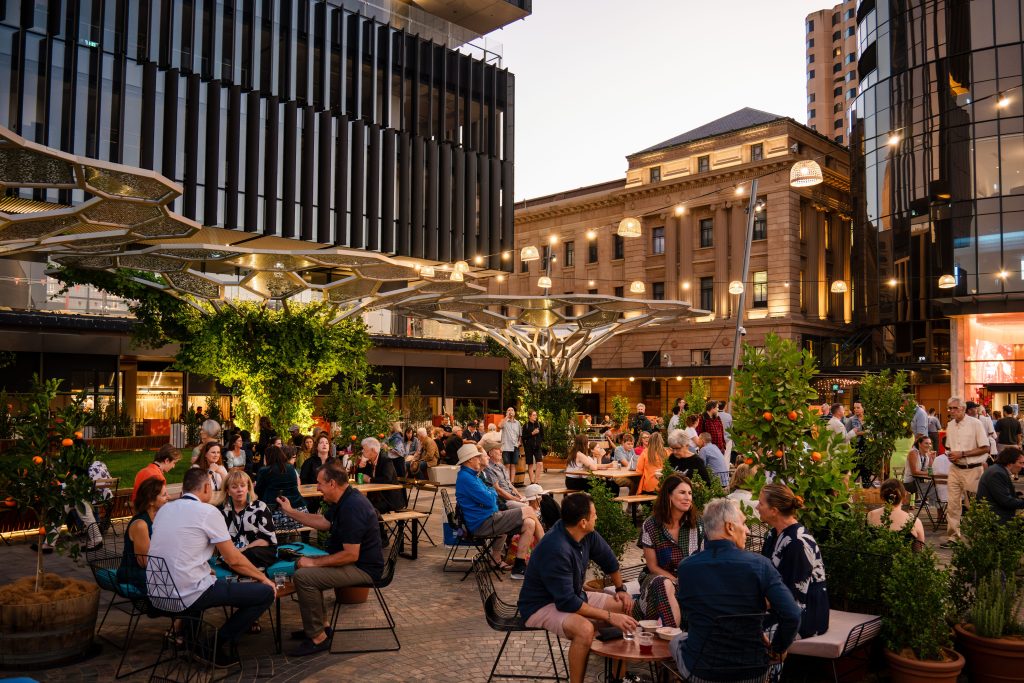
Adelaide’s scale and accessibility shape its everyday cultural experience. Walkable streets, laneways and public spaces are enriched by public art, small bars, cultural venues and creative industries. The city is regularly ranked among the world’s most liveable cities on the Global Liveability Index, recognised nine times in the index’s twelve-year history. Adelaide’s cultural identity is also closely tied to its food and wine heritage: it is one of the Great Wine Capitals of the World and home to one of the Southern Hemisphere’s largest undercover produce markets.
Adelaide is known as the “City of Firsts,” reflecting its ongoing leadership in social reform and cultural progress. Milestones include establishing Australia’s first local government; being the first place in the world to grant equal political rights to women in 1894; and becoming the first Australian state to decriminalise homosexuality in 1975. South Australia also made history in 2023 with the creation of the First Nations Voice, giving Aboriginal and Torres Strait Islander peoples an independent voice to Parliament and government.
Cultural policies
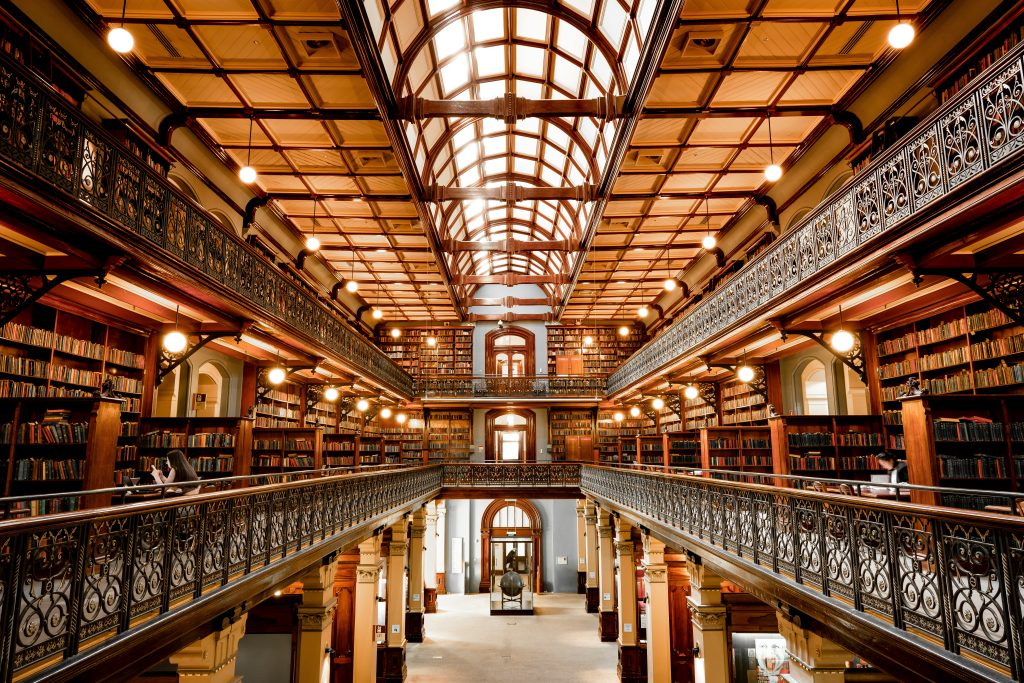
Cultural policies are in place at local, state and federal levels, with the City of Adelaide’s inaugural Cultural Policy (2025–2036) positioning culture as a central pillar of urban development, sustainability and community wellbeing.
The policy aligns with the UNESCO Creative Cities mission and outlines principles to guide the city’s cultural future – including amplifying Adelaide’s creative capital, supporting cultural jobs, ensuring cultural inclusivity, strengthening Kaurna culture and truth-telling, protecting heritage while embracing progress, and expanding cultural infrastructure and public-space activation.
Through strategic investment, partnerships and sector support, Adelaide is working to strengthen its cultural ecosystem, nurture creative careers, and ensure culture remains embedded in everyday urban life. This integrated approach aims to enhance Adelaide’s global cultural profile, deepen community connection, and support a creative, inclusive and sustainable city through to 2036 and beyond.
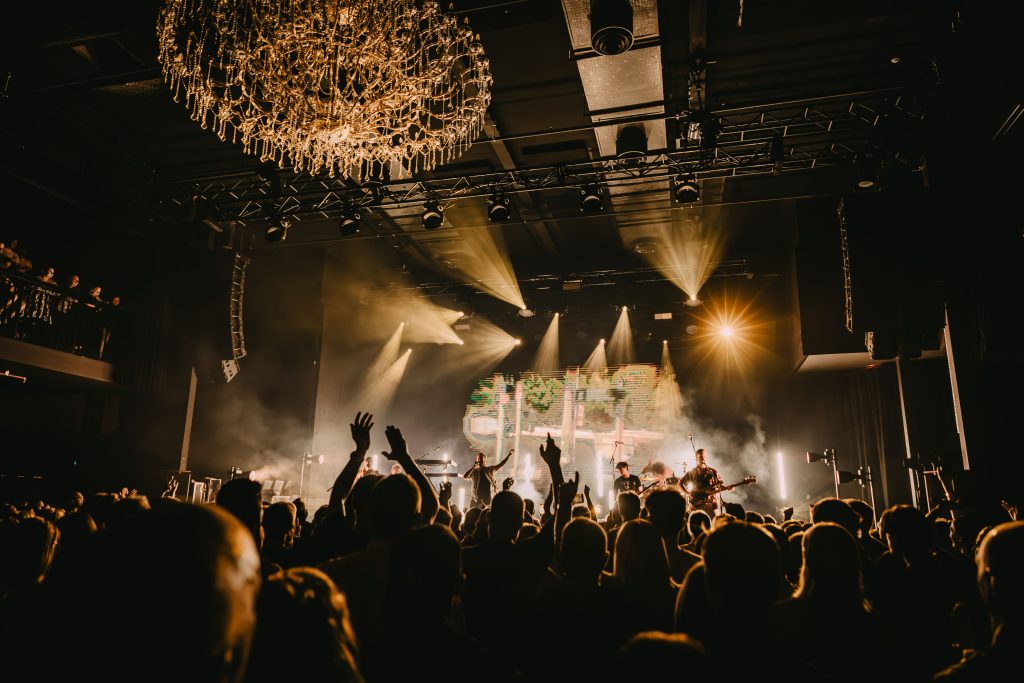
The State of South Australia’s cultural policy, A Place to Create, commitments are also evident in landmark projects that protect and strengthen its creative infrastructure. In 2024, the South Australian Government passed special-purpose legislation to save the historic Crown and Anchor Hotel – a cornerstone of the grassroots music scene – from demolition. The legislation created Australia’s first designated “live music venue area” within a city centre and requires new developments to include acoustic protections, safeguarding Adelaide’s live-music ecosystem and supporting its role as Australia’s only UNESCO City of Music.
At a larger scale, the $400 million redevelopment of the Adelaide Central Market and creation of Market Square is transforming one of the city’s most significant cultural and culinary assets. The expansion will double the market’s footprint, add nearly 7,000 square metres of new retail and cultural space, and is projected to generate $135 million for the state economy, create more than 1,000 construction jobs and attract an additional one million visitors annually. The redevelopment preserves the heritage character of the 1869 market while establishing a vibrant cultural and commercial hub for future generations.

