
Cultural Infrastructure: Warsaw’s award-winning new Museum of Modern Art
Project: Establishing a contemporary institution while revitalising a neighbourhood district
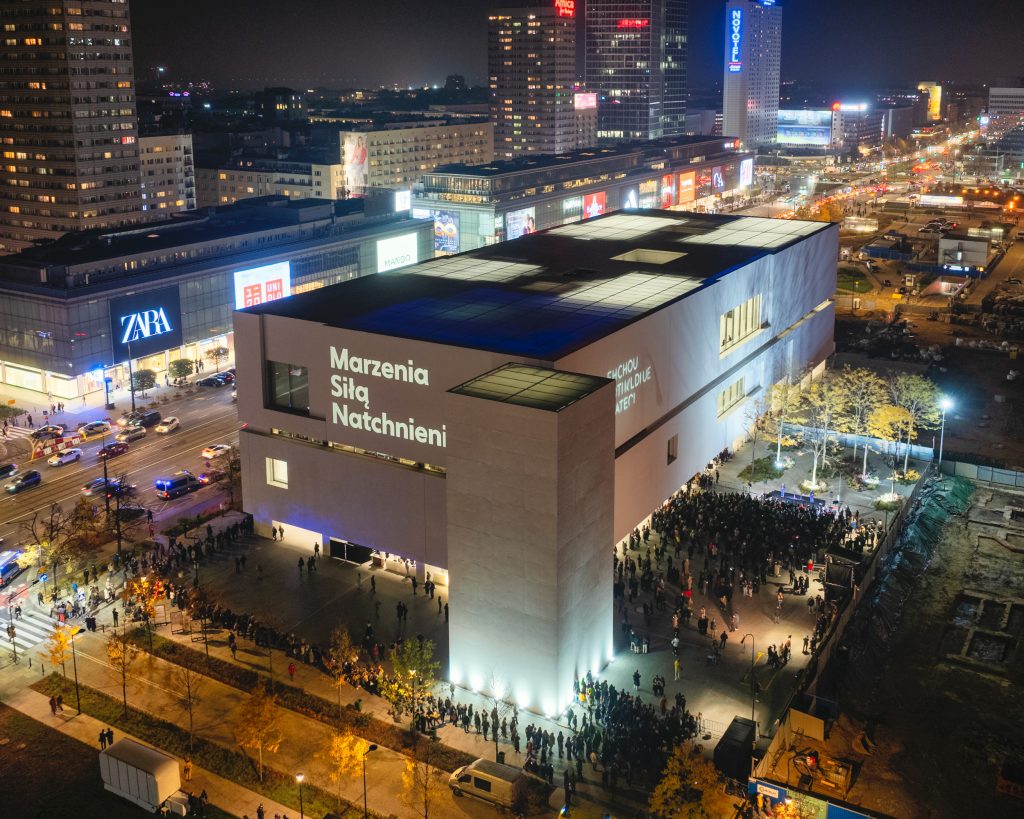
In October 2024, the Museum of Modern Art in Warsaw (MSN Warsaw) opened the doors to its long-awaited new building after nearly two decades without a permanent home. The institution was founded to provide a dedicated space for contemporary art, one that could engage both local communities and international audiences. Its mission is to host exhibitions, performances, and educational programmes that reflect pressing artistic and social questions, while strengthening Warsaw’s position as a centre of cultural innovation.
By situating the museum at the heart of the city, the project also sought to revitalise the surrounding urban landscape and contribute to Warsaw’s cultural infrastructure.
Creating a permanent cultural landmark for contemporary art
For almost twenty years, MSN Warsaw operated as a nomadic institution, occupying temporary venues that limited its ability to mount large-scale exhibitions or long-term projects. Without a permanent space, its potential to fully connect with the public was constrained.
The chosen site for the new museum – next to the Palace of Culture and Science in Parade Square – added further complexity. This location carries significant historical and political associations, meaning the design needed to balance modern architectural language with a sensitive approach to its surroundings. The challenge was not only to build a museum but also to create a cultural landmark that would harmonise with Warsaw’s symbolic centre.
Embedding the museum into the city with contemporary design
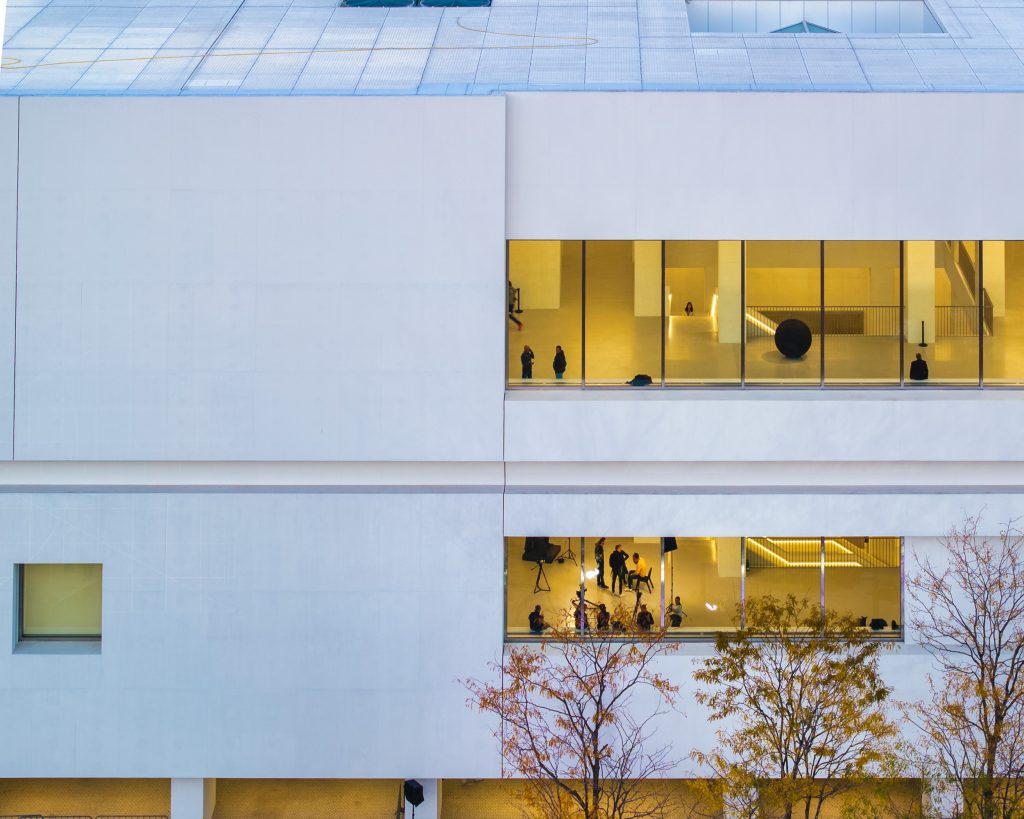
To meet this challenge, the City of Warsaw commissioned American architect Thomas Phifer. His minimalist design is a striking white concrete structure with four aboveground and two underground levels, providing almost 20,000 square metres of space. Of this, 4,500 square metres are dedicated to exhibitions, complemented by a 150-seat theatre, conservation facilities, educational spaces, and public areas designed to welcome citizens into the building.
Large windows and a series of ‘City Rooms’ blur the boundaries between the museum and its surroundings, inviting visitors to see the museum as part of the city itself rather than an isolated cultural institution. This openness symbolises the museum’s ambition to act as both a civic and cultural forum.
An award-winning museum reviving Parade Square
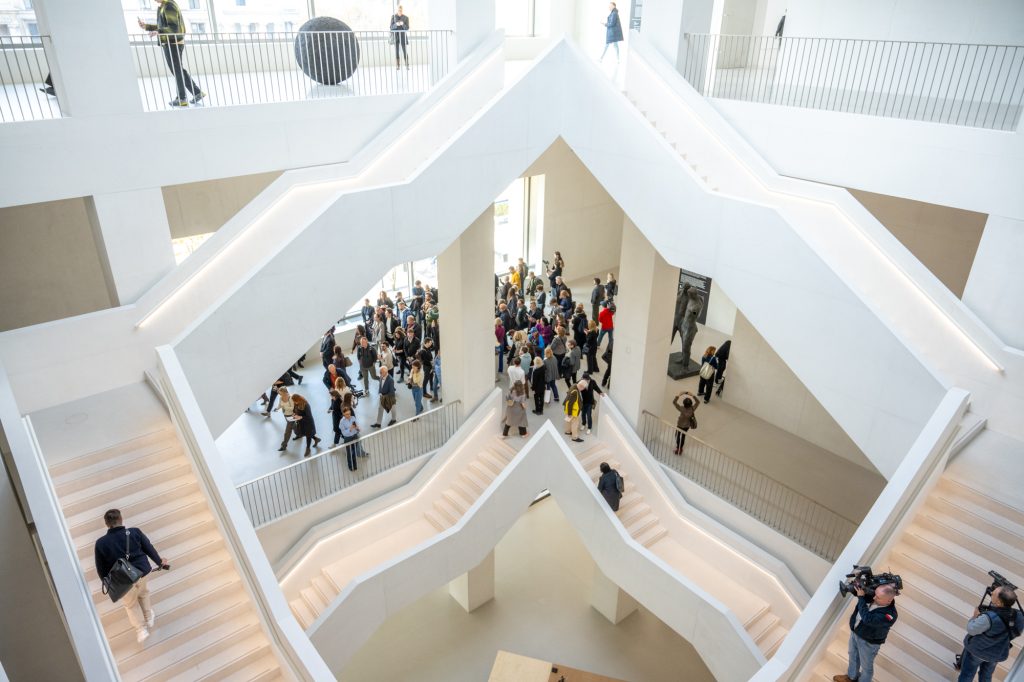
The opening of the new building in October 2024 was a landmark in Warsaw’s cultural development. In its first months, the museum welcomed thousands of visitors, demonstrating strong public interest. International recognition followed swiftly: Lonely Planet named it the top new or renovated museum to visit in 2025, and it received the main prize in the ‘Public Object” category at the Property Design Awards 2025.
Beyond these accolades, the museum has had a broader civic impact. Its presence has helped transform Parade Square into a lively cultural hub, aligning with the city’s urban development goals to enhance public spaces and promote cultural tourism. By prioritising exhibitions that highlight female artists and encourage debate on social issues, MSN Warsaw underscores its role as an inclusive and socially engaged institution.
The museum’s establishment not only strengthens Warsaw’s cultural infrastructure but also reinforces its role as a European centre for contemporary art, offering a dynamic space for creativity, dialogue, and public participation.