
Deciphering an ancient Anatolian language with AI in Turkey
Project: Creating a Hittite digital library of AI-read ancient artefacts
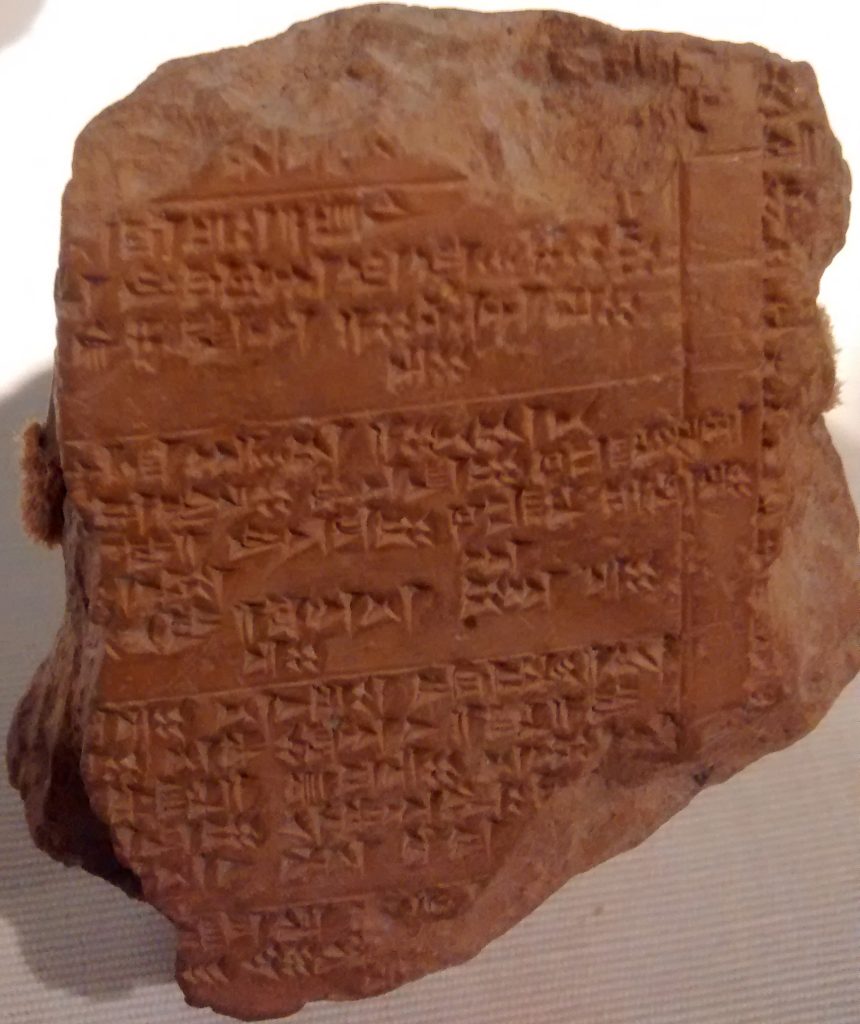
A new initiative led by the Ministry of Culture and Tourism and Ankara University is using artificial intelligence (AI) and image processing to decipher tablets written by Hittites, who ruled Anatolia approximately 3,500 years ago. Between 2022 and 2024, 2850 tablets have been studied, photographed, scanned and fed through an AI system to accelerate syllable recognition, protect them from over-handling, and make them available to a global audience through digital platforms.
Reading an ancient language with artificial intelligence
Although there have been similar digital studies conducted on cuneiform languages such as Sumerian and Akkadian, Hittite is being deciphered for the first time in the world through artificial intelligence with this project.
The decipherment of Hittite cuneiform, the language of one of Anatolia’s most significant ancient civilisations, has traditionally been a painstaking and fragile process. Thousands of clay tablets held in Turkish museums remain either unread or only partially accessible due to tablets being broken, burnt or destroyed. In addition, Hittite had many different languages and handwriting varied. This has slowed the study and understanding of early Anatolian history.
Creating a Hittite digital library of AI-read ancient artefacts
The project was designed in two stages to test and scale AI applications for heritage preservation. The first stage, carried out between December 2022 and January 2023, involved the high-resolution photography of 2,000 tablets and 3D scanning of 350 specimens. Using a specially developed labelling interface, syllables were marked and used to train AI models. This stage achieved a reading accuracy of 75.56%, demonstrating the viability of AI in assisting linguistic decipherment.
The second stage, launched in April 2024 and still ongoing, applies more advanced AI techniques to an additional 500 tablets. Accuracy has already improved to 90%, and preparations are underway to establish a Hittite Digital Library. This online platform will serve as a repository for AI-read tablets, expanding access for international researchers and offering a permanent digital safeguard for thousands of unread tablets.
Long-term objectives include reconstructing missing sections of tablets through AI, identifying the authors of the tablets, automating grammar and language studies, and launching nterdisciplinary graduate programmes. These goals align with the wider policy vision of integrating advanced technologies into cultural governance, ensuring both preservation and knowledge production.
Balancing cultural heritage management with public research and knowledge
By successfully applying AI to the Hittite script for the first time, this project positions Turkey at the forefront of heritage innovation. It significantly reduces the workload of scholars, allowing research resources to be directed toward interpretation and analysis rather than transcription alone. By digitising texts, it also protects heritage objects from further deterioration and makes cultural resources accessible to wider communities. Importantly, it sets a replicable model for applying AI to other archival collections, such as Ottoman manuscripts, supporting broader agendas of digitisation, access, and innovation in cultural heritage management.