HOW TO DECENTRALISE CULTURE
Supported by Bloomberg Philanthropies
“We realised what we are doing right and what we are doing wrong. That happened several times with this exchange.”
Leadership Exchange Programme Participant
The Challenge
Despite efforts in reaching all citizens, large sections of the population in world cities can still feel disconnected from the city’s culture and art. In its Strategies for Culture (2017), Lisbon identified the need to create “proximity cultural centres”, particularly in the north of the city where citizens have little access to culture. But rather than build new venues, they wanted to build on what was already there, connect citizens to heritage through storytelling and animate public spaces in new cultural quarters.
After Montréal presented its approach to creating the new Quartier des Spectacles at the World Cities Culture Summit, Lisbon realised the two cities were both trying to include and engage citizens in cultural activities beyond the city centres by creating creative quarters.
The Exchange
By using cultural mediation, the two cities could address this challenge and democratise culture throughout city neighbourhoods. Cultural mediation involves cross linking the cultural and social spheres, and building new relationships between policy, culture and public space.
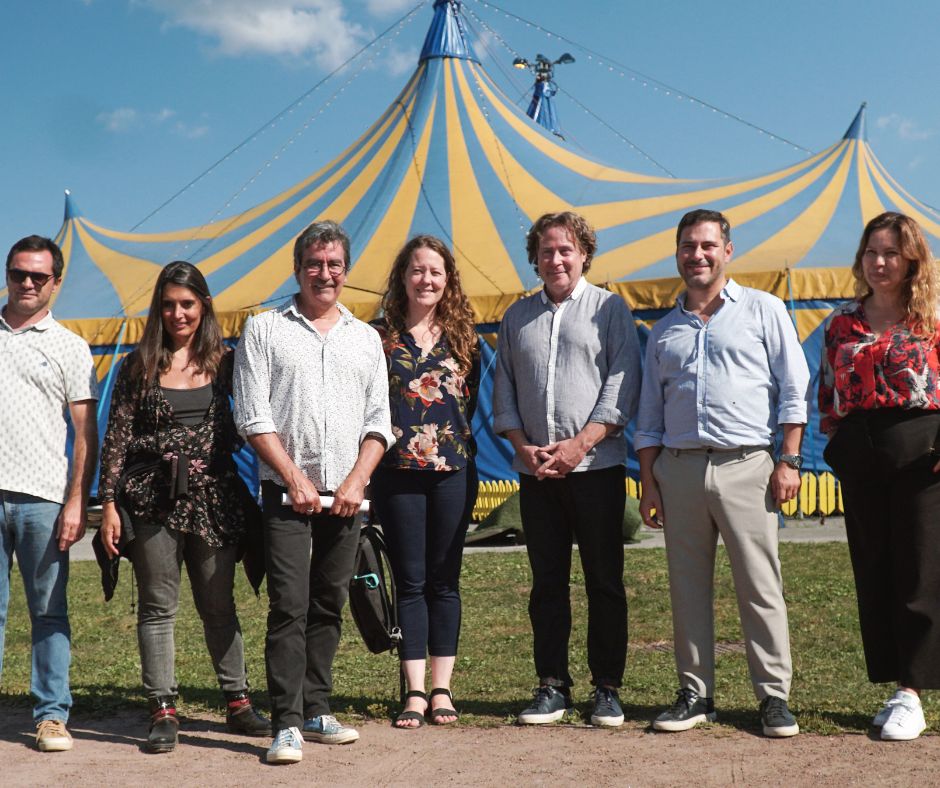
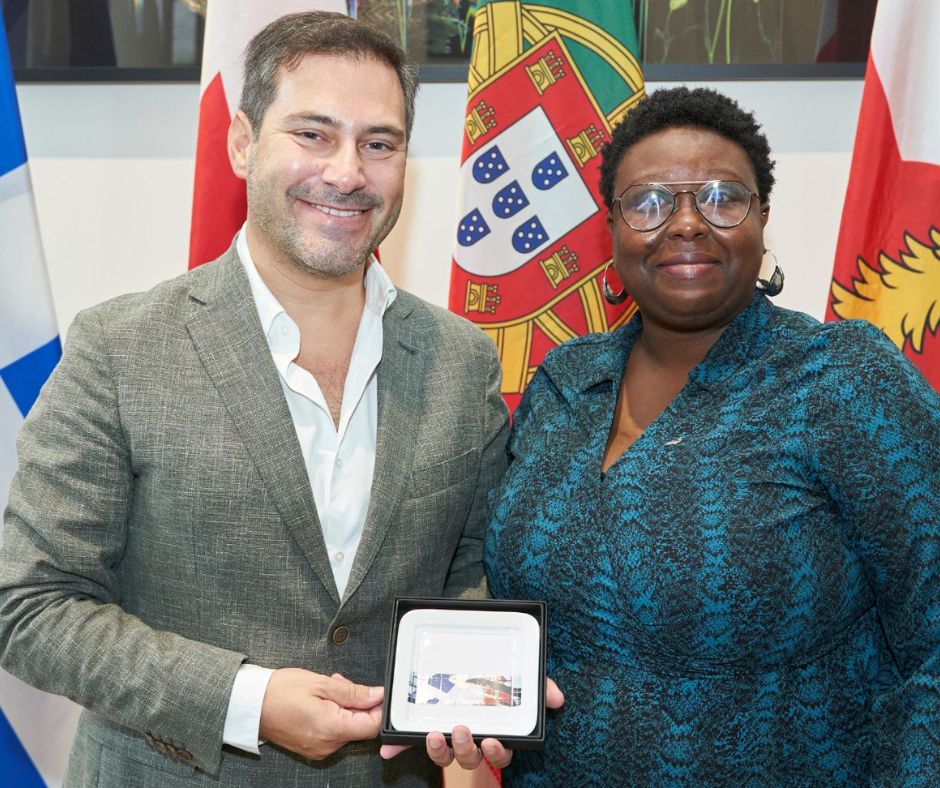
Montréal first visited Lisbon in early September 2022, and had a tour of their “Lojas com História” project, which highlights historical shops in neighbourhoods, and learnt about their “Neighbourhood Lives and Memories” oral history project which captures the older generation’s memories of the city. Delegates also went on a tour of the Parque das Nações neighbourhood to see murals created during the MURO Festival. Started in 2015, it brings street art to districts away from the city centre and helps to rejuvenate neglected areas. The Festival engages people of all ages, including senior citizens.
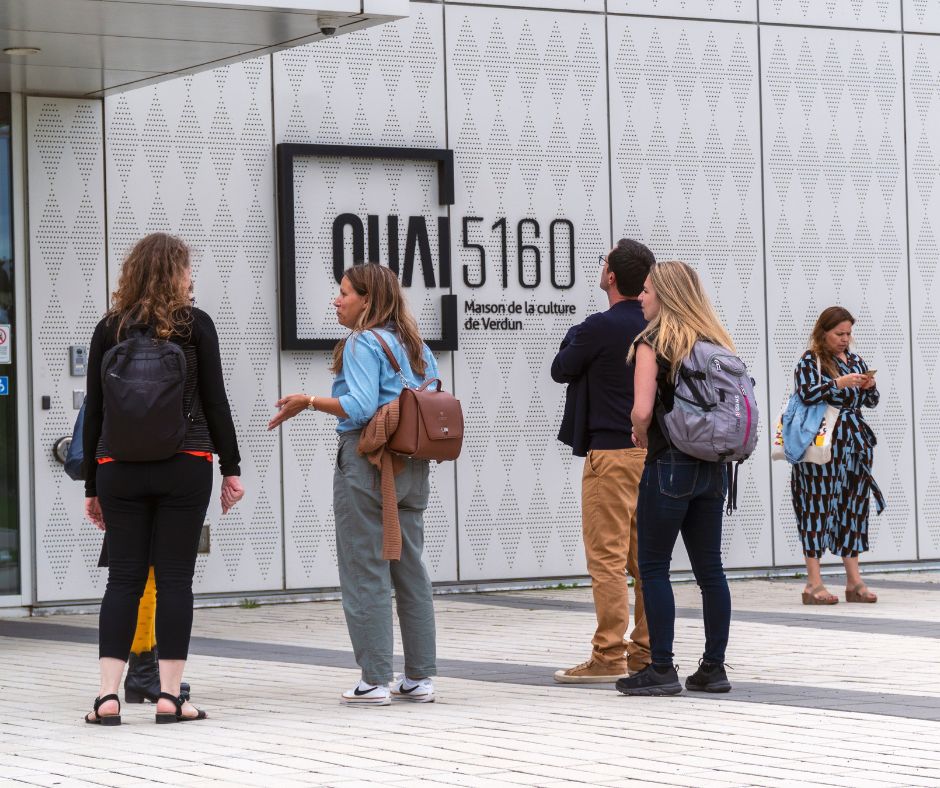
Lisbon visited Montréal a few weeks later and visited the Saint-Laurent and Verdun cultural districts (the latter was voted one of Time Out’s 40 coolest neighbourhoods in the world in 2020), part of their Cultural Neighbourhoods programme; and the redeveloped 1km2 Quartier des Spectacles which hosts more than 100 shows a month in 8 different spaces, including the Centre des mémoires montréalaises (Centre of Montrealean memories).
Lessons Learned
- Cultural mediation can be done through huge urban transformation projects like the Quartier des Spectacles but is also effective as smaller interventions that focus on existing heritage and assets like Lisbon’s historical shops, weaving meaning and narrative across a city.
- Capturing and telling the stories of citizens and their experience – “intangible heritage” – is critical for social inclusion, tolerance and participation. Montréal does this with their Memories Museum, while Lisbon had a temporary exhibition about homosexuality in the time of the dictatorship.
- Lisbon already had a citizen-cantered approach whereas Montréal prioritised personal interactions between audiences, artists, and cultural expressions, considering the diversity of the audience and their needs.
Impact
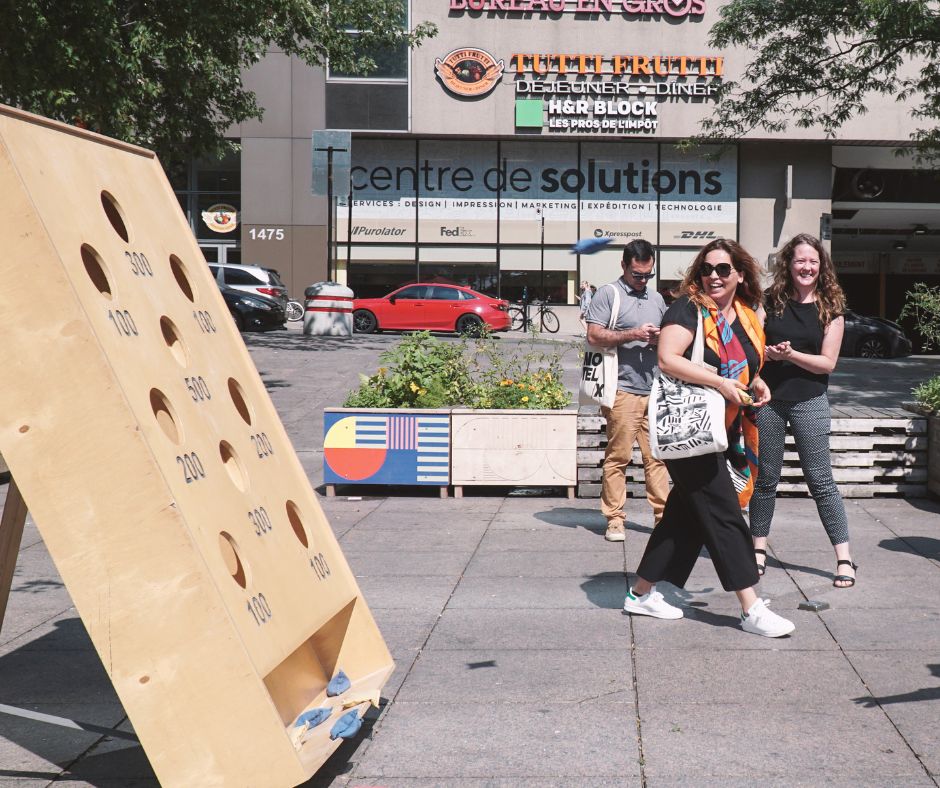
Delegates from Montréal embraced Lisbon’s citizen centred approach to cultural interventions and weaved it into their new Cultural Development Policy. Montréal already has two street art festivals a year and murals are a huge part of the city’s identity. But inspired by the Urban Art Gallery (GAU) in Lisbon, they also carried out a pilot project to integrate mural art and social development to engage people experiencing homelessness.
For Lisbon, the exchange helped them feel confident about their cultural quarters policy. The visit from Montréal made them realise they already had a lot of citizen-centred cultural initiatives and could build on those in more neighbourhoods. Culture is now part of the city’s draft “Multiannual Investment Plan 2023-2027″.
They also developed “A Theatre in each Neighbourhood” programme, inspired by the governance model discussion they had with Montréal during the exchange. The close relation with local stakeholders and smooth articulation with the administrations of the boroughs is something they intend to replicate.
“I’m sure we are going to keep talking to Montréal and working together because we have already built a lot of bridges across the Atlantic now.”
“I’m sure we are going to keep talking to Montréal and working together because we have already built a lot of bridges across the Atlantic now.”
Leadership Exchange Programme Participant
Images Courtesy © WCCF