HOW TO DESIGN ART BIENNALES WITH CIVIC PARTICIPATION
Supported by Bloomberg Philanthropies
The Purpose
Art biennales are emerging in many global cities as forums for art trade and also city branding, fostering cultural diplomacy and international exchanges. But can they help bring local cultural policy to life? And how can citizens engage with and help shape city art biennales?
The aim of the exchange was to discover how biennales can engage citizens in both city-wide and global issues and how to assess their long-term impact and legacy. It also looked at how cultural organisations navigate cultural sensitivities when inviting artists and visitors from different countries.
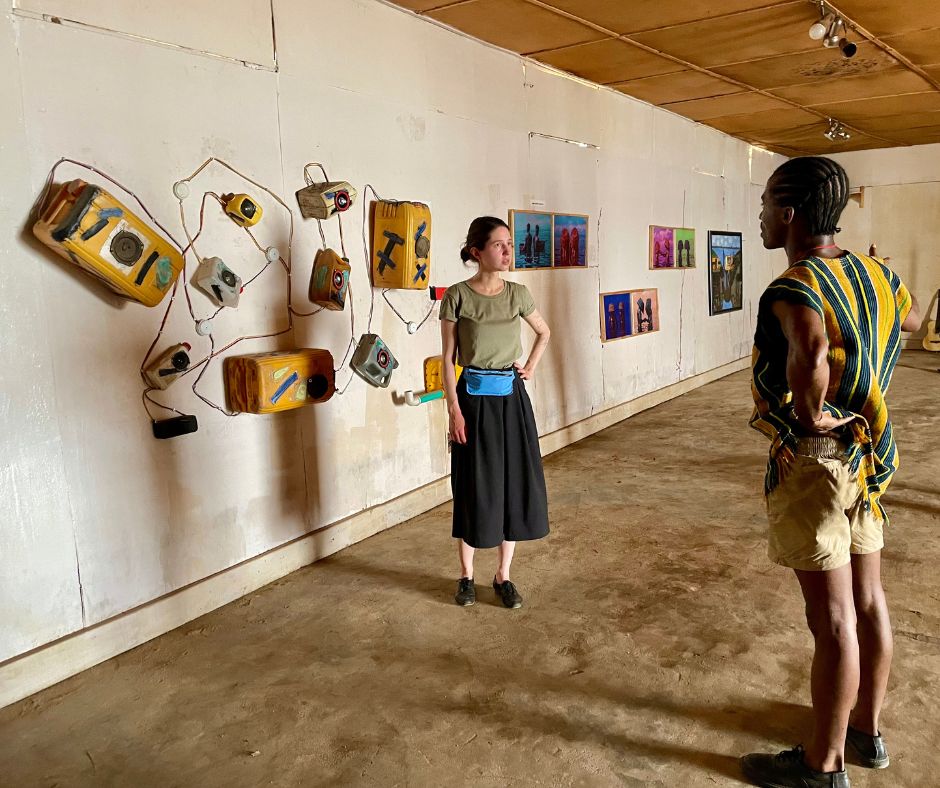
Lagos hosted its first Biennale in 2017 “Living on the Edge”, and Warsaw hosted their first one in 2019, “Let’s Organize Our Future!”. Both cities use the biennale format as a tool for social intervention, building a commentary on current urban trends involving city residents, and changing the perception of the city and its districts.
The Exchange
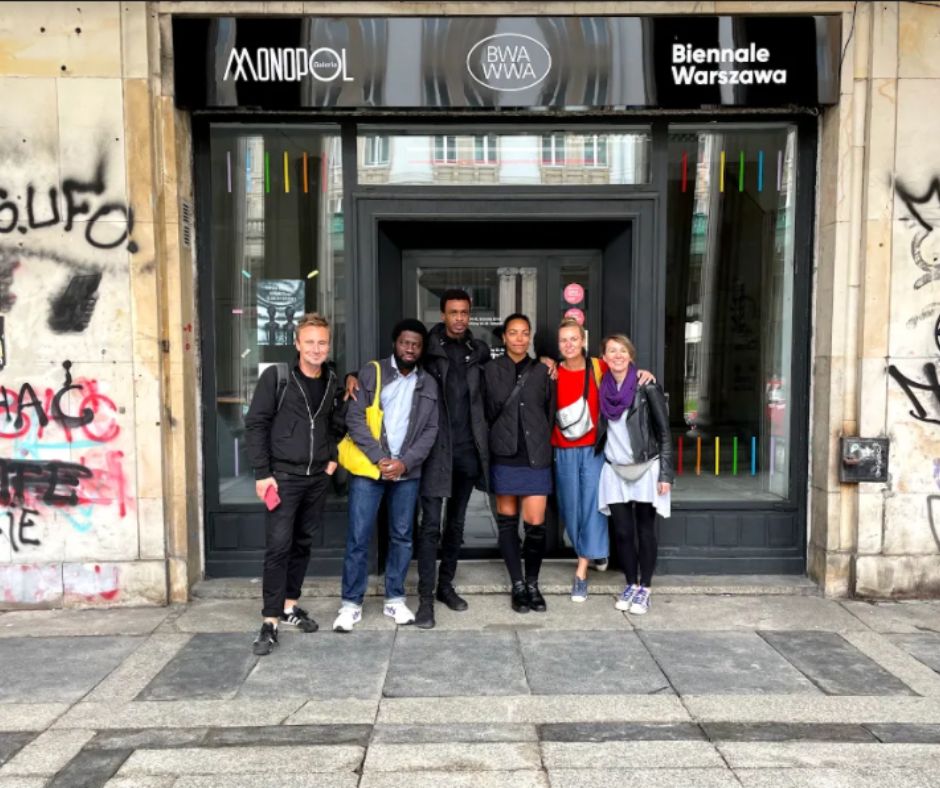
Lagos visited Warsaw with a programme that included:
- A tour of cultural institutions including the Museum of the History of Polish Jews POLIN.
- Walked the Warsaw Ghetto route and saw the “Greetings from Jerusalem Avenue” sculpture, all reminders of the Jewish culture lost in Poland during World War II.
- Met with Warsaw Biennale organisers, city officials and cultural institutions that took part in the 2019 Biennale
- Met with artists of Nigerian descent living in Warsaw.
- Discussed how imagined-identities of communities are created through art, and the role of large-scale urban events to create counter-narratives.
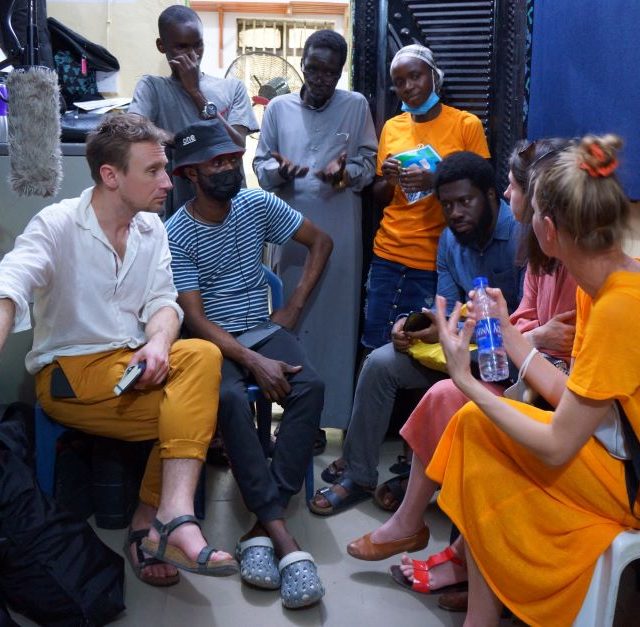
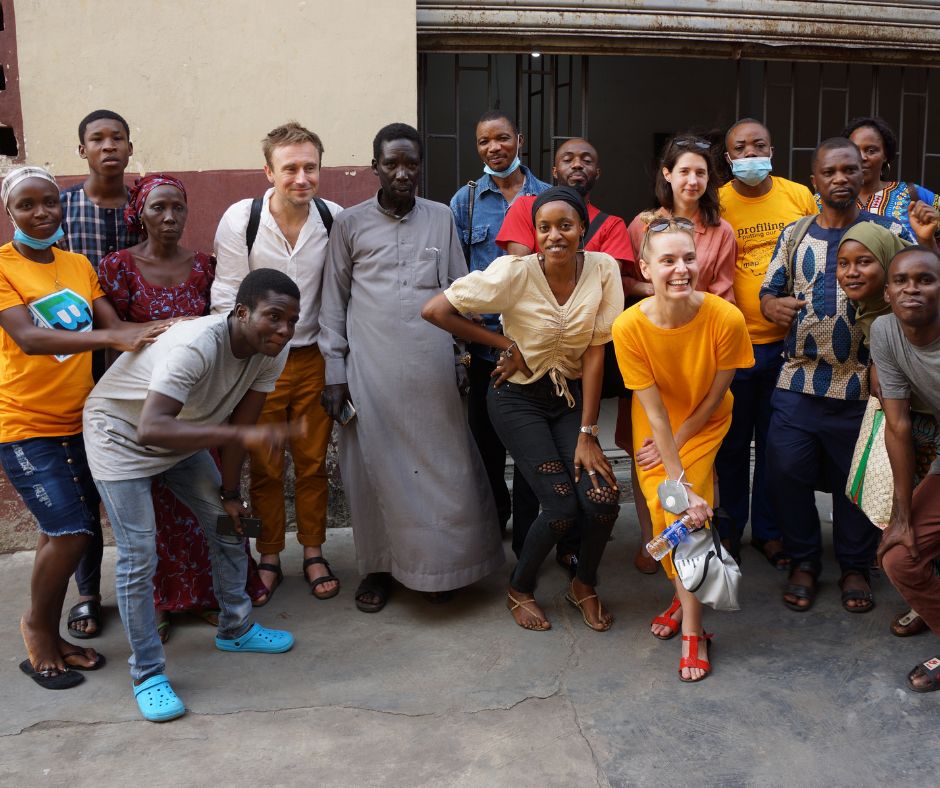
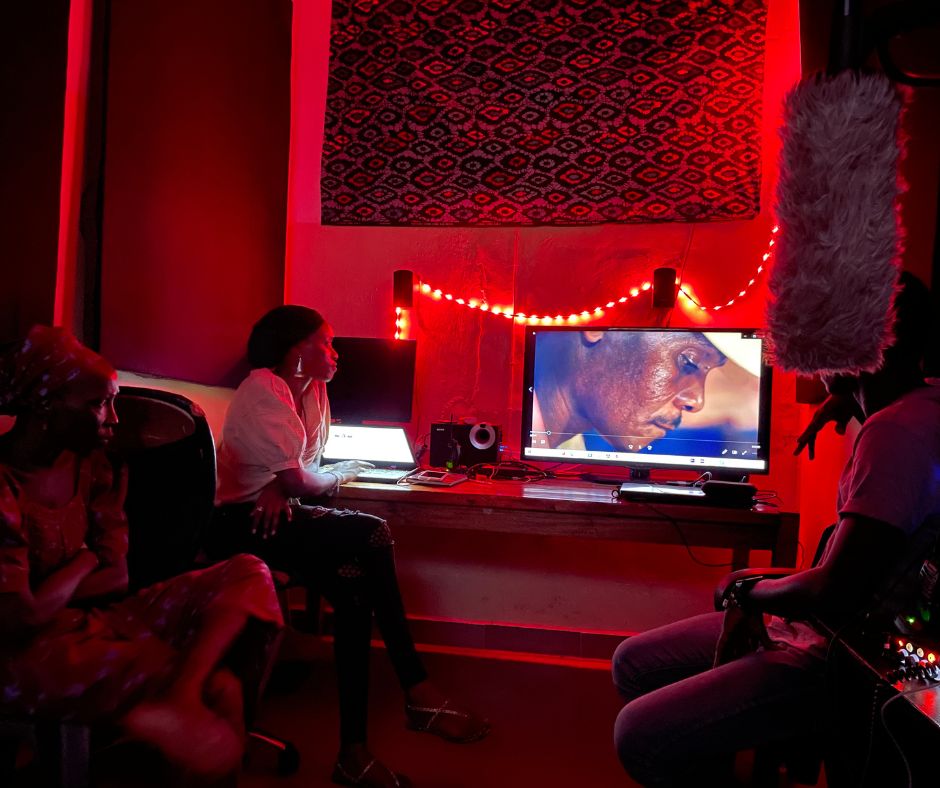
Warsaw visited Lagos with a programme that included:
- Learning about the community programme of the art biennale as an invaluable vehicle to convey messages to policy makers.
- Visited non-profit organisations including Spaces for Change and Lagos Urban Development Initiative (LUDI) that are community-led and promote sustainable social change through Biennale interventions.
- Met with cultural leaders in organisations like Tutuola Institute and Vernacular-Art Space Laboratory Foundation who have helped shape the Biennale.
Lessons Learned
- Biennales can harness art and culture for strategic debate and influence policymaking.
- Involving artists, citizens and marginalised communities to shape the programme can ensure it is accessible, decolonized and meaningful.
- Small-scale biennale interventions across a city may be more accessible than traditional Biennale pavilions.

Impact
- Warsaw and Lagos presented their findings to the East European Biennial Alliance, which stimulated global dialogue and knowledge-sharing among biennials worldwide.
Focusing biennales on the issues of our time:
- Through the exchange, Warsaw and Lagos explored reimagining biennials as platforms for social intervention and critical commentary and challenged the traditional notion of art exhibitions. During the exchange they understood how each of their city’s cultural event foster civic participation and inspire positive change in society.
- Migration, climate change and economic inequalities were three common issues that the cities’ biennales want to focus on.
Sharing intercultural cooperation best practice with other biennales:
- The cities prepared joint recommendations and good practices related to intercultural cooperation between Europe and Africa, considering the complexity of historic contexts related to colonial relations and accounting for local and regional specificity. This included a shared review of contemporary debates concerning postcolonialism, and various decolonisation strategies in the sphere of art and culture.
Images Courtesy © WCCF