HOW TO GROW AFFORDABLE CREATIVE SPACE
Supported by Bloomberg Philanthropies
“I was equipped with a toolbox on how to approach investors and developers, city officials and artists to make an effective cooperation.”
Leadership Exchange Participant
The Purpose
Rapid development and regeneration in cities put affordable workspace, artists’ studios, and cultural spaces at risk. Artists move to affordable areas of the city and when property developers move into the area, artists are displaced by the rising rents. How can cities protect and grow affordable arts spaces as the city grows? World Cities Culture Forum’s “Making space for culture” Report (2017) identified the global affordability crisis as one of the biggest threats to culture in global cities.
The Exchange
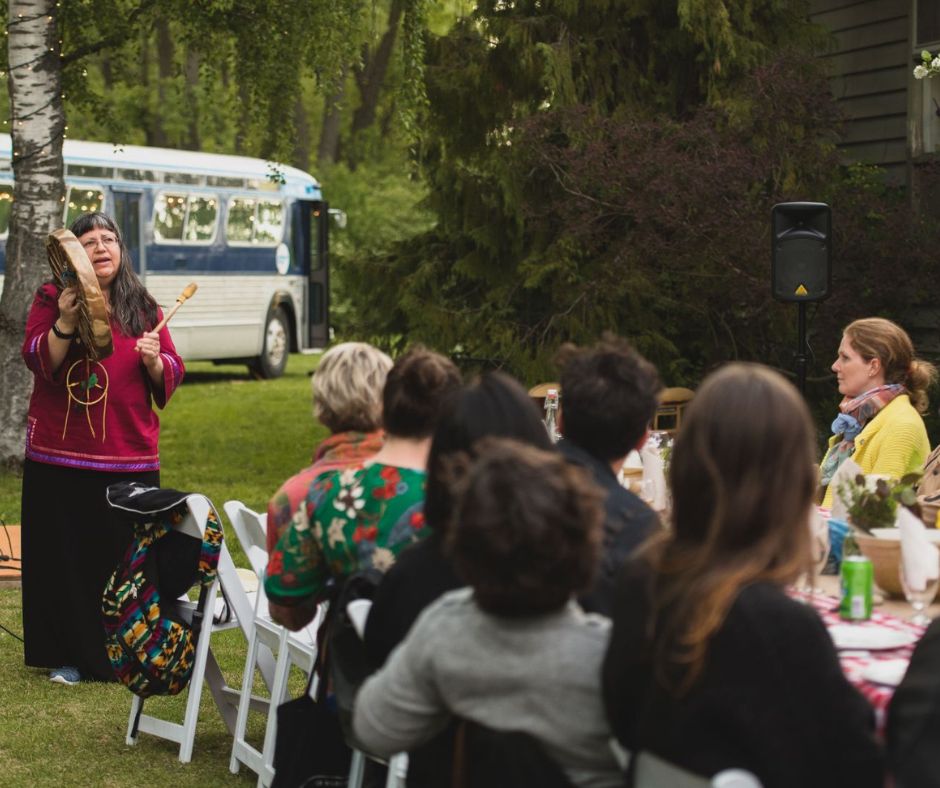
Participants from Amsterdam, Austin, London, New York, San Francisco, Sydney, and Warsaw met city planners, cultural leaders and artist studio providers, to learn from Toronto’s approaches to protecting affordable creative space. The City of Toronto has prioritised affordable art studios, by leasing city-owned spaces below market rate. By collaborating with private developers and nonprofit organisations, the city can mitigate the effects of skyrocketing property values and property taxes.
Lessons Learned
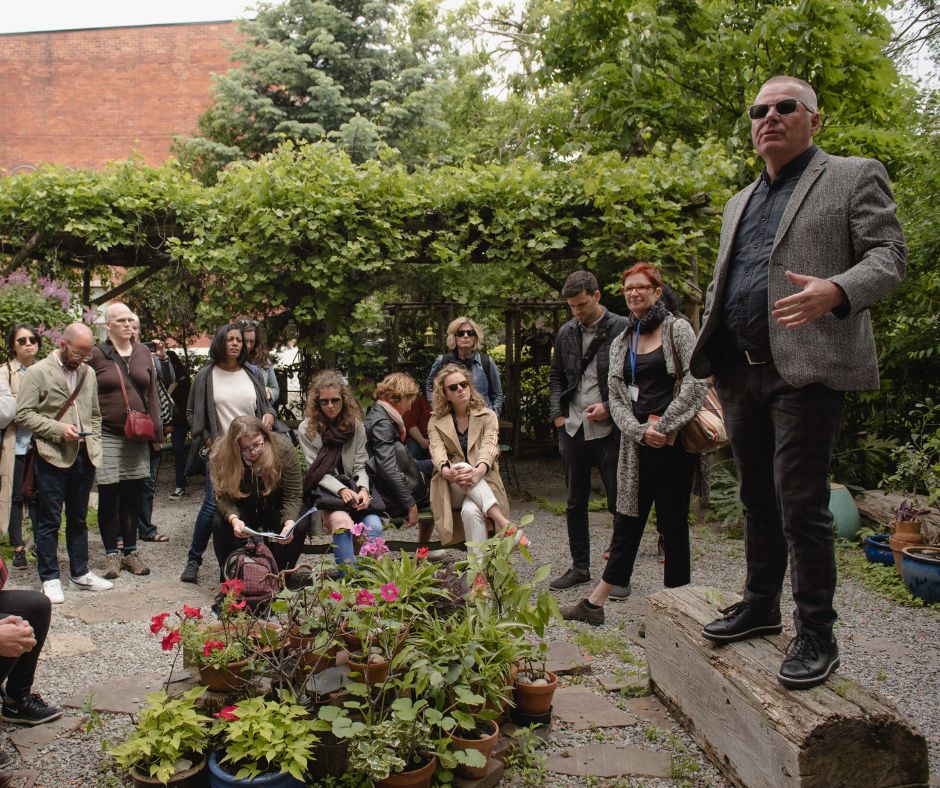
- To create successful partnerships between developers and arts organisations there needs to be a nuanced matching and an understanding of differing objectives and values.
- An intermediate organisation can add value by mediating between artists’ needs, government and developers and provide long-term solutions for creative spaces. Models like Community Arts Stabilisation Trust (CAST) in San Francisco and the Creative Land Trust in London are good examples of intermediate organisations.
- Managed workspaces thrive when the cost of managing and running the building can be shared between tenants.
- Capturing the value of creative space to a neighbourhood is important. In 2006, the Toronto based organisation Artscape coined the term “creative placemaking” to describe how they leverage culture as a catalyst for community and urban development.
Impact
- The learnings from the exchange were turned into a report “Culture Counts: new approaches to evidence-based cultural policymaking in World Cities”, World Cities Culture Forum (2021).
- As a result of this exchange, Austin created a new Economic Development Corporation (AEDC) in 2020 which acts as a public real estate developer to create and preserve affordable art spaces. AEDC, through purchases and long-term leases, creates affordable spaces that support artists and arts organisations and preserves historic and iconic cultural buildings and spaces for creative and cultural uses. A new Cultural Trust has been formed as part of AEDC to support acquisition and preservation of arts, cultural, and music spaces. Austin also designed a program to help arts organisations understand real estate, financing, investment, business planning, and capital campaigns; it also simplified its processes to make it easier for small businesses operating new creative spaces.
- After the exchange, Sydney adopted a target for retaining creative workspace in its Community Strategic Plan. The exchange strengthened the relationship between the culture and town planning departments, resulting in new planning policies to create and protect creative workspace.
- A 2020 study explored the cultural infrastructure of Sydney and helped the City run a six-months long “Making Space for Culture Incubation programme” in 2021 to build relationships between developers and arts organisations which led to new local partnerships.
- Artists co-designing spaces with developers and investors in Warsaw. The exchange inspired Warsaw to devise a new program for artists and affordable space to be part of the city’s revitalization and regeneration projects. The project equips artists with tools and top tips on how to approach investors, developers, city officials, for effective cooperation.
- Strengthening New York’s art spaces. The exchange strengthened New York City’s commitment to affordable real estate for artists and arts workers. The city engaged in further discussions with Toronto around capacity-building opportunities for local non-profits offering affordable workspace.
- A new Creative Land Trust for London. Inspired by Toronto’s strategic approach to preserving artists’ studios, London set up a Creative Land Trust (CLT). This social enterprise aims to own more than 1,000 studios across London so they can be used by artists and makers in perpetuity. By securing a blend of funding – bringing together donors, investors and grant-givers – the CLT will sustain the future of London’s studios via the purchase of freeholds or long leases, gifts and asset transfers. Using local agreements and Community Infrastructure Levies, the CLT will set affordable rents based on transparent assessments of local conditions.