From Ideas to Action: The İstanbul Summit highlights transformative cultural initiatives
Theme: The new cultural agenda, beyond boosterism
“Culture is finally reaching its well-deserved place in urban policy.”
Prof. Ahmet Emre Bilgili, Director, İstanbul Culture and Tourism Directorate
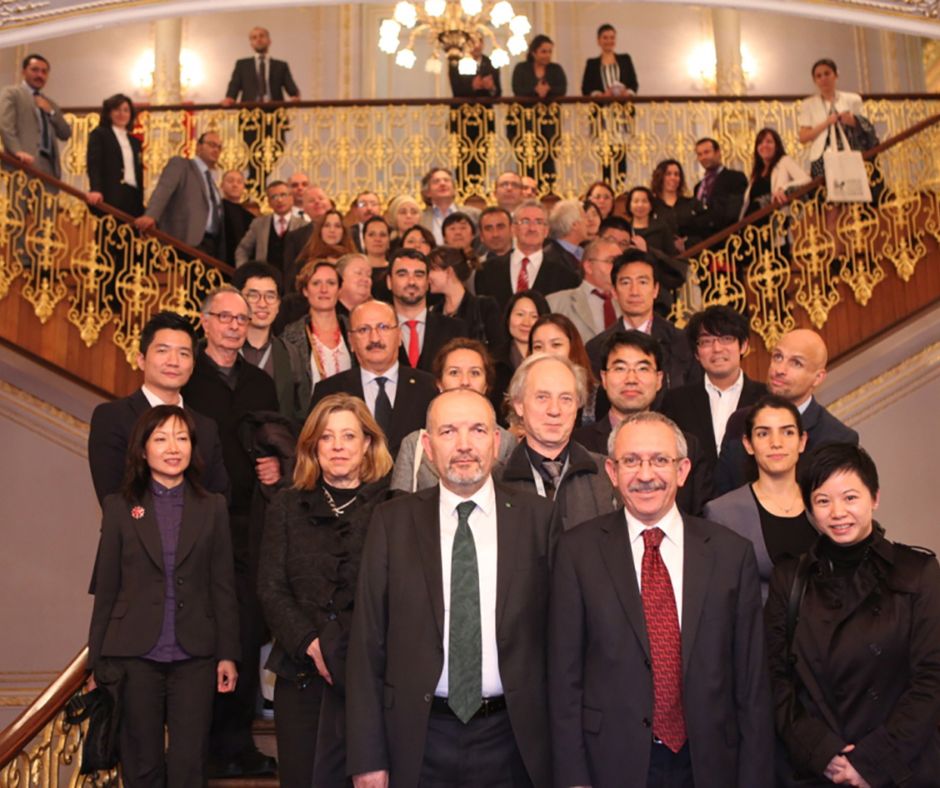
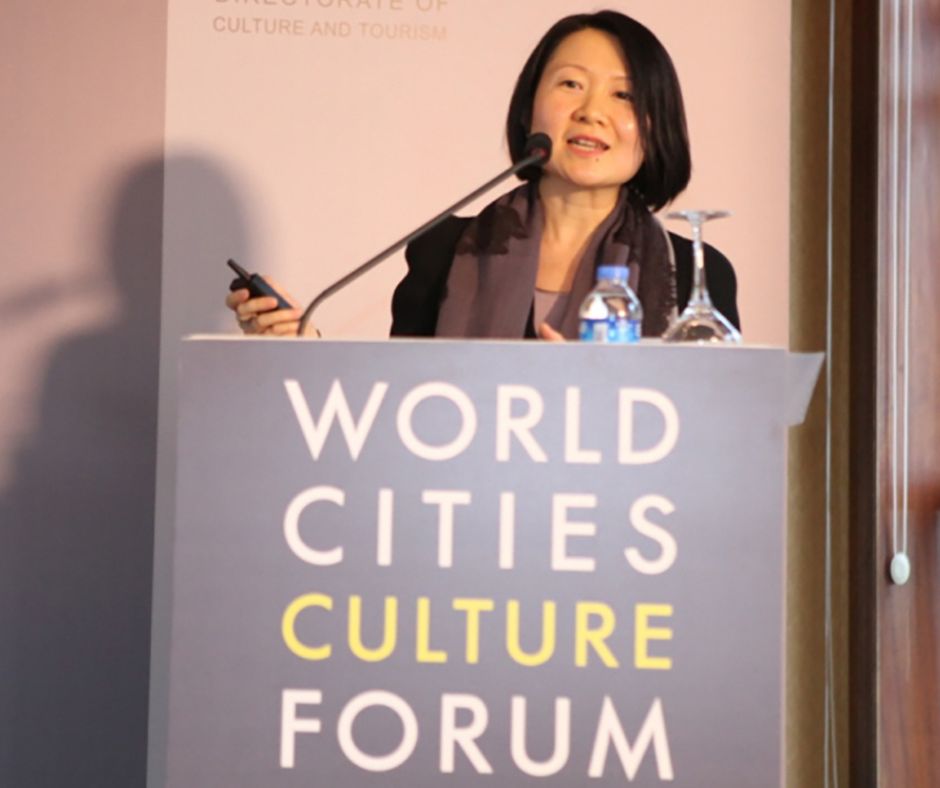
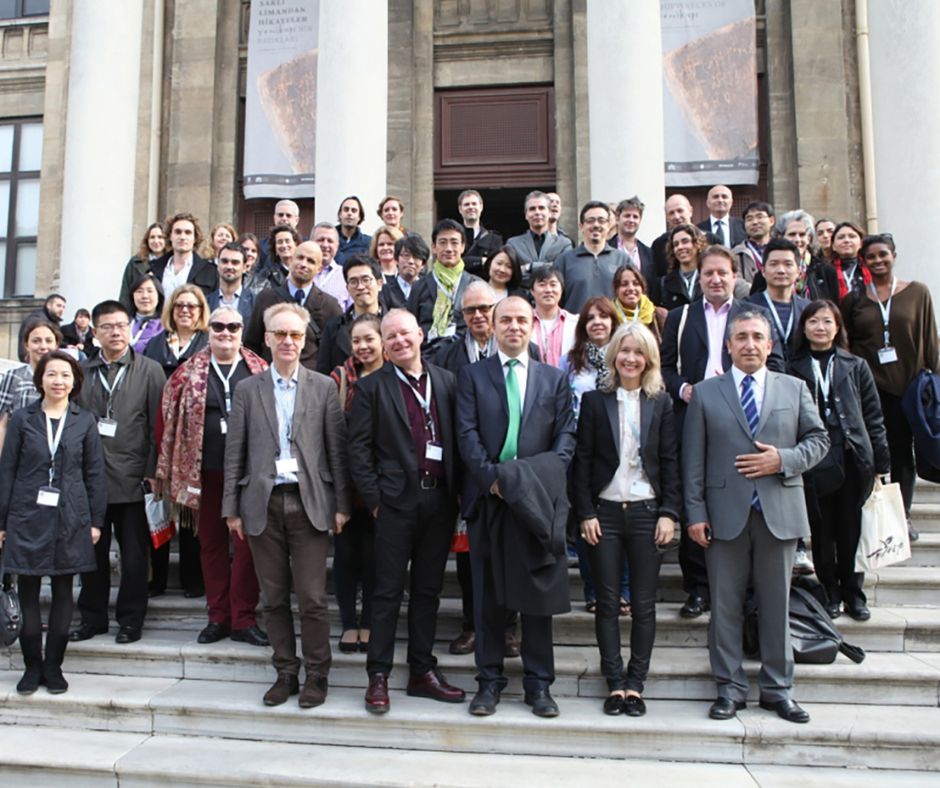
The second World Cities Culture Summit was held in İstanbul 13-15 November 2013.
The event was hosted by the İstanbul Provincial Directorate of Culture and Tourism. Across a three-day programme, the summit was an opportunity for old members of the Forum to meet new city members and to engage in meaningful policy discussions about culture’s role in a world city context.
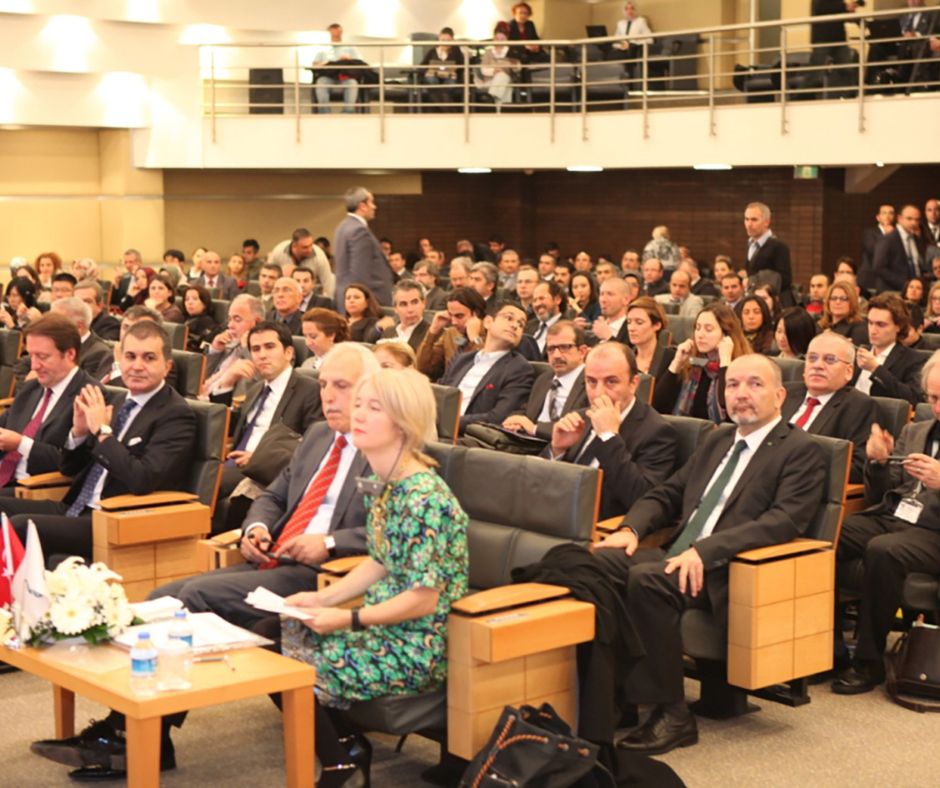
The summit agenda focused on three main questions:
- What can we learn from each other about effective future strategies for promoting culture in our world cities?
- How can we extend the influence of culture still further in the world city urban agenda?
- How can we work together to continue to demonstrate the value and impact of culture?
These themes reflect the common challenges and opportunities that all participating world cities face in attempting to harness the potential of culture. They have emerged from the research around the World Cities Culture Report itself as well as the discussions the Forum has had with individual cities in preparation for the summit.
The themes were:
- Promotion and positioning on the world stage: approaches to promotion, branding and attracting inward investment
- The new cultural infrastructure: how world cities are expanding and upgrading their cultural offer
- Participation and supporting creative expression: policies and programmes that open up opportunities for all citizens
- Strategies for embedding culture across public services: including employment, economic development, social integration and environmental protection
‘The New Cultural Agenda: Beyond Boosterism’, the first policy briefing of the Forum, captures some of the main conversations that took place at the Summit such as going beyond the culture-led place branding of the last decade, democratising access to culture and the new cultural infrastructure.

- The last two decades have seen tremendous economic, cultural and social change, and the world’s greatest cities have been at the forefront in experiencing and driving this.
- The sector has never had such a high-profile or been taken so seriously by government, and there is much to celebrate – from the spectacular success of London 2012’s arts festival through to Montréal’s ten-year programme to transform the city’s public spaces, but this was by no means an exercise in self-promotion. Rather, what emerged from the deliberations was a new agenda for city leaders – going beyond the place branding or boosterism of the last decade, however successful, and setting out a plan to ensure that the cultural life of world cities becomes a cornerstone of this, the urban century.
Images Courtesy © World Cities Culture Forum