	---
title: Innovation
type: taxonomy_archive
taxonomy: topic
slug: innovation
term_id: 56
permalink: "https://worldcitiescultureforum.com/topic/innovation/"
post_count: 33
---

# Innovation

Posts in this archive: 33

- [Blueprint for Cultural Policy](https://worldcitiescultureforum.com/wp-content/uploads/wp-mfa-exports/report/blueprint-for-cultural-policy.md) — Key cultural policy challenges that cities are addressing in 2025 and the solutions they are using
- [Justine Simons OBE, Founder of World Cities Culture Forum](https://worldcitiescultureforum.com/wp-content/uploads/wp-mfa-exports/report/justine-simons-world-cities-culture-foreword.md) — Foreword from Justine Simons OBE, founder of World Cities Culture Forum, introducing the report and framing its importance.
- [Inclusive public art empowering unhoused creatives in Austin ](https://worldcitiescultureforum.com/wp-content/uploads/wp-mfa-exports/city-project/art-for-all-austin-public-art-initiative-2.md) — Art for All is a public art initiative in Austin led by Raasin in the Sun and the City of Austin, offering paid creative opportunities to unhoused individuals. By transforming public spaces with community-driven murals, the programme promotes an inclusive culture and supports access to social services. Through mentorship, workshops, and storytelling, it fosters connection, skill-building, and financial stability – making public art more accessible for all while enriching Austin’s public realm strategy.
- [UNESCO Site: Restoring and safeguarding Beijing’s Central Axis](https://worldcitiescultureforum.com/wp-content/uploads/wp-mfa-exports/city-project/beijing-central-axis-cultural-policy-2.md) — In 2024, Beijing’s Central Axis was inscribed as a UNESCO World Heritage Site, marking a cultural policy milestone in China. This historic urban spine showcases imperial planning traditions and blends conservation science, regulatory reform, digital innovation, and civic participation. From volunteer patrols to interactive technology, the project has preserved centuries-old heritage while improving the districts along the Axis – reinforcing community engagement and promoting international cultural dialogue.
- [Cultural Infrastructure: Fostering digital creative startups in Chengdu](https://worldcitiescultureforum.com/wp-content/uploads/wp-mfa-exports/city-project/chengdu-digital-creative-startups-support.md) — Chengdu’s first municipal policy for digital cultural startups provides funding, rent-free workspaces, R&D and housing support to nurture early-stage ventures, strengthening the city’s role as a hub for creative innovation and entrepreneurship.
- [Sikka Arts Festival: A multidisciplinary celebration of local creativity in Dubai ](https://worldcitiescultureforum.com/wp-content/uploads/wp-mfa-exports/city-project/dubai-sikka-art-and-design-festival.md) — Dubai’s Sikka Art and Design Festival has grown into a year-round initiative that supports emerging creatives across disciplines, revitalises historic districts, and drives cultural participation while positioning the city as a regional hub for innovation and artistic talent.
- [Impact Measurement: Dubai’s first ever creative impact report shows culture is a huge economic driver for local and foreign investment](https://worldcitiescultureforum.com/wp-content/uploads/wp-mfa-exports/city-project/dubai-creative-impact-report.md) — Dubai’s first Creative Impact Report reveals that the city’s cultural and creative industries contribute significantly to GDP, jobs, and foreign investment, positioning culture as a central driver of economic growth, innovation, and global recognition.
- [Heritage Innovation: How Guangzhou developed its intangible heritage into culture-led design and lifestyle products](https://worldcitiescultureforum.com/wp-content/uploads/wp-mfa-exports/city-project/heritage-innovation-how-guangzhou-developed-its-intangible-heritage-into-culture-led-design-and-lifestyle-products.md) — 'Recommended Gifts from the Bay Area' is a cultural innovation initiative from Guangzhou that transforms Lingnan intangible heritage - like food, opera, and folk festivals - into modern design products. Through creative reinterpretation of traditions such as the “Pantang’s Five Treasures” and lion dance, the initiative promotes cultural identity, stimulates the creative economy, and shows how urban policy can integrate heritage into everyday life for global audiences.
- [How Hamburg is decolonising its neighbourhoods and institutions](https://worldcitiescultureforum.com/wp-content/uploads/wp-mfa-exports/city-project/decolonisation-how-hamburg-is-decolonising-its-neighbourhoods-and-institutions.md) — In 2024, Hamburg launched 'Decolonise Hamburg!', a citywide decolonisation strategy involving civil society, institutions, and government. It reappraises colonial history through research, education, and cultural participation, empowering BIPoC communities and establishing postcolonial remembrance in public space. Initiatives include renaming colonial street names, restituting looted artefacts, and creating transnational networks. The strategy serves as a model for cities seeking inclusive, historically grounded, and participatory cultural transformation.
- [Deciphering an ancient Anatolian language with AI in Turkey](https://worldcitiescultureforum.com/wp-content/uploads/wp-mfa-exports/city-project/istanbul-hittite-digital-library.md) — A pioneering project by Turkey’s Ministry of Culture and Tourism and Ankara University is using AI to decipher Hittite tablets, creating a digital library that safeguards fragile artefacts, accelerates research, and sets a global model for heritage innovation.
- [Heritage Infrastructure: Transforming İstanbul’s 19th-century Rami Barracks into Rami Library](https://worldcitiescultureforum.com/wp-content/uploads/wp-mfa-exports/city-project/istanbul-rami-library.md) — The transformation of İstanbul’s 19th-century Rami Barracks into the Rami Library has created one of Türkiye’s largest cultural hubs, blending heritage conservation with innovative services to support lifelong learning, research, and community life.
- [Cultural Olympiad: Joint Los Angeles-Paris poster competition strengthens Olympic values and culture](https://worldcitiescultureforum.com/wp-content/uploads/wp-mfa-exports/city-project/los-angeles-2024-paris-cultural-olympiad-poster-competition.md) — The 2024 Paris Cultural Olympiad Poster Competition connected art students from Paris and Los Angeles in a cross-city collaboration that celebrates Olympic values, civic engagement, and cultural diplomacy. Organised by the City of Paris and LA County’s Department of Arts and Culture, the project supported emerging artists, created international exposure, and informed cultural programming for the 2028 LA Olympic Games through poster and animation design exhibited globally.
- [Participatory Murals: A ‘Name in Every Neighbourhood’ of Milan ](https://worldcitiescultureforum.com/wp-content/uploads/wp-mfa-exports/city-project/milan-a-name-in-every-neighbourhood.md)
- [A Voice for Youth in Montréal](https://worldcitiescultureforum.com/wp-content/uploads/wp-mfa-exports/city-project/montreal-youth-participation-in-cultural-policy.md) — Montréal is embedding youth perspectives into cultural policymaking through two initiatives: 'A Library That Looks Like Me' and the 'Manifesto of Montréal Youth for the Arts and Culture'. These programmes invite children and teens to co-design library services and contribute ideas to cultural policy. By giving young people a stronger voice, the city is fostering inclusive participation and ensuring that cultural strategies reflect the needs and aspirations of the next generation.
- [Digital Heritage: How Nanjing enriched its City of Literature heritage with digital technology](https://worldcitiescultureforum.com/wp-content/uploads/wp-mfa-exports/city-project/revitalising-nanjing-city-of-literature-heritage-with-digital-innovation.md) — Nanjing, with its 1,800-year literary heritage, transformed its cultural narrative through digital innovation. By leveraging big data, artificial intelligence, virtual reality, and augmented reality, the City of Literature’s heritage has been enriched. The network of over 1,000 QR codes on cultural landmarks has generated more than 40 curated literary routes, provided infrastructure for over 100 cultural and tourism enterprises, and enhanced smart tourism services across the city.
- [Cultural Infrastructure: How Paris integrated a media library and a refugee house](https://worldcitiescultureforum.com/wp-content/uploads/wp-mfa-exports/city-project/james-baldwin-media-library-and-refugee-house-paris.md) — The James-Baldwin Media Library and the Refugee House form a pioneering dual institution located in the former Jean-Quarré High School in Paris’s 19th arrondissement. Designed to serve both local residents and newcomers, this collaborative cultural and social hub fosters community integration, mutual understanding, and inclusive access to public services. The two facilities represent a bold response to contemporary urban challenges through innovative use of public space.
- [Library Lab: Stockholm using UX methods to improve libraries](https://worldcitiescultureforum.com/wp-content/uploads/wp-mfa-exports/city-project/stockholm-library-lab.md) — To deepen cultural participation, Stockholm City Library has embedded user experience (UX) methods into daily practice across its 40 branches. At the Library Lab in Liljeholmen, launched in 2024 as a four-year experiment, staff use agile, user-led sprints to co-design future library services with local residents. From parent breakfasts to youth-led space redesigns, the Lab gathers insights to inform a major new library. The initiative has become a model for inclusive, needs-driven cultural infrastructure.
- [Helsinki’s new museum for sustainable architecture and inclusive Nordic design](https://worldcitiescultureforum.com/wp-content/uploads/wp-mfa-exports/city-project/architecture-and-design-museum-helsinki.md) — The new Architecture and Design Museum in Helsinki will open in 2030, uniting two legacy institutions into a sustainable, inclusive, and globally significant cultural hub. Located in the city’s historic South Harbour, the museum will showcase Nordic design, support professional development, and foster public engagement. It reflects Helsinki’s strategic investment in cultural infrastructure and positions the city as a global leader in sustainable architecture and creative placemaking.
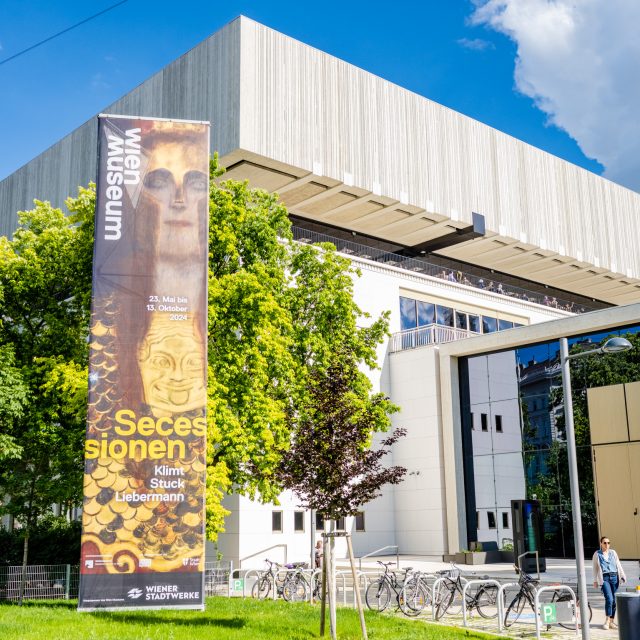
- [A New Era for Vienna’s City Museum](https://worldcitiescultureforum.com/wp-content/uploads/wp-mfa-exports/city-project/wien-museum-vienna.md) — Reopened in 2023 after a major city-funded renovation, the Wien Museum blends architectural preservation with bold expansion. A ‘floating’ concrete cube adds two new floors of exhibition space, while geothermal systems, solar panels, and inclusive design signal a commitment to sustainability and access. Operated by the Museums of the City of Vienna, the project drew on over a decade of public dialogue. Since reopening, the museum has become one of Vienna’s most popular cultural destinations, also earning the Austrian Eco-Label for sustainability
- [How Edinburgh embedded carbon management reporting for cultural institutions](https://worldcitiescultureforum.com/wp-content/uploads/wp-mfa-exports/city-project/edinburgh-cultural-carbon-management-plan.md) — Edinburgh is embedding carbon reporting into cultural funding, with its arts sector cutting emissions, trialling climate innovations, and influencing policy to help drive the city’s net zero transition.
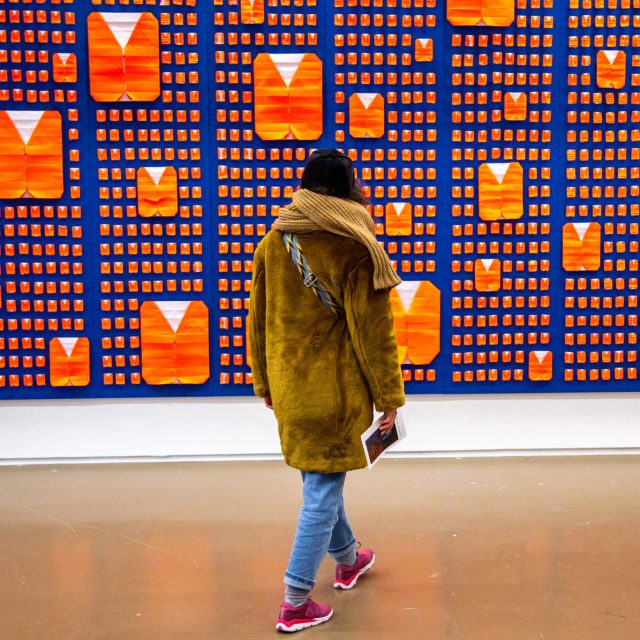
- [Art for All: Amateurs and established artists participate in annual Brussels Carte de Visite art exhibition  ](https://worldcitiescultureforum.com/wp-content/uploads/wp-mfa-exports/city-project/brussels-carte-de-visite-artopenkunst-art-exhibition-2.md) — Launched in 2014, Brussels' collaborative, free and participatory art exhibition Carte de Visite | ArtOpenkunst has been showcasing hundreds of amateur and established artists every year. It has made art creation, exhibition and appreciation accessible to all. Since 2020, artists have competed for the Prix de la CENTRALE to exhibit their work together at CENTRALE, one of Brussels’ most important venues for international and local contemporary art.
- [Public Artists in Residence: Embedding creativity in New York City government ](https://worldcitiescultureforum.com/wp-content/uploads/wp-mfa-exports/city-project/nyc-pair-public-artists-in-residence.md) — New York City’s Public Artists in Residence (PAIR) programme embeds artists within city agencies to address urgent civic issues through creative collaboration. Launched in 2015, the initiative has tackled challenges such as racial equity, discrimination, and youth detention by integrating artistic thinking into public policy. With residencies spanning city departments, PAIR helps generate innovative solutions, strengthen community engagement, and reimagine the role of art in public service and city governance.
- [Read out from Davos 2025: From Inner to Outer Space](https://worldcitiescultureforum.com/wp-content/uploads/wp-mfa-exports/post/read-out-from-davos-2025-from-inner-to-outer-space.md) — By Skinder Hundal MBE, Associate of World Cities Culture Forum. The most recurring theme in Davos was AI, along with quantum computing, and how in the next 20 years we are likely to experience a radical change in every field of our lives. By 2045, we will be in an unrecognizable world. Deepak Chopra, the new age spiritual quantum physicist, delivered his eloquent keynote at the Art of Business launch of Value AI Institute.
- [World Cities Culture Trends Report 2025 ](https://worldcitiescultureforum.com/wp-content/uploads/wp-mfa-exports/publication/world-cities-culture-trends-report-2025.md) — The World Cities Culture Trends Report 2025 highlights ten emerging trends in global cultural policy, showcasing how cities are using cultural solutions to tackle urban challenges. This report builds on insights from our cities and discussions at the World Cities Culture Summit 2024, hosted by Dubai Culture & Arts Authority under the theme:  “Tomorrow’s Culture: How Will the Next Generation Shape Our World?”
- [Innovative museums set to open globally in 2024](https://worldcitiescultureforum.com/wp-content/uploads/wp-mfa-exports/post/innovative-museums-set-to-open-globally-in-2024.md)
- [How a technology museum will elevate Bengalaru's innovation story](https://worldcitiescultureforum.com/wp-content/uploads/wp-mfa-exports/city-project/bengaluru-museum-of-innovation-startup-technology-mist-upcomingbengaluru.md) — Bengaluru, as a leading tech hub, is the location for a museum that honours India's tech pioneers.
The museum will showcase the rich history of Indian technology, solidifying Bengaluru's position as an
industry leader.
- [Kyiv Digital app: the smart way to access urban services](https://worldcitiescultureforum.com/wp-content/uploads/wp-mfa-exports/city-project/kyiv-digital.md) — Kyiv Digital is a mobile application created by the city in 2021. Working on the principle of "city in the
phone," it combines a number of city services, the number of which is constantly increasing. Kyiv plans to
make the application one of the main tools of communication between the city and citizens.
- [How old cinemas in Kyiv are being transformed into vibrant cultural hubs](https://worldcitiescultureforum.com/wp-content/uploads/wp-mfa-exports/city-project/kyiv-cultural-cluster.md) — The goal of the Kyiv Cultural Cluster is to transform the network of city cinemas into creative environments.
- [Can Bengalaru's new design principals transform the future of the city?](https://worldcitiescultureforum.com/wp-content/uploads/wp-mfa-exports/city-project/bengaluru-world-design-bengaluru.md) — Bengaluru earned the esteemed designation as the world's first
Design Protopolis by the World Design Organization. The core purpose of WDP is to leverage design
principles to enhance the city's livability across six thematic areas.
- [How a research centre in Buenos Aires is connecting technology and artists](https://worldcitiescultureforum.com/wp-content/uploads/wp-mfa-exports/city-project/latin-american-centre-for-experimental-hypermedia-chela.md) — Buenos Aires has created an innovative cultural infrastructure to support its multimedia and digital artists. 
- [Disused port to creative centre: how Mina Zayed became a centre of innovation in Abu Dhabi](https://worldcitiescultureforum.com/wp-content/uploads/wp-mfa-exports/city-project/mina-zayed-miza-from-disused-port-to-creative-centre.md) — Abu Dahbi regenerated a disused part of the city to bring together different creative disciplines with commercial enterprises to facilitate collaboration and innovative cultural projects.
- [Closing the digital divide: Stockholm's innovative arts education initiative](https://worldcitiescultureforum.com/wp-content/uploads/wp-mfa-exports/city-project/kulturskolan-stockholm-a-digital-school-of-the-arts.md) — Addressing the new for digital equity with arts education, EKulturskolan Stockholm is extending the digital arts education offering for younger residents.
- [How the Louvre Abu Dhabi created an ingenious way to reach new audiences](https://worldcitiescultureforum.com/wp-content/uploads/wp-mfa-exports/city-project/louvre-abu-dhabi-highway-gallery.md) — As a new museum in the city with relatively limited domestic audiences, Louvre Abu Dhabi needed to find new ways to bring art to the people and increase footfall for the museum.