A rapidly growing cosmopolitan capital that serves as an important economic, diplomatic and creative centre for East Africa
Cultural Policy
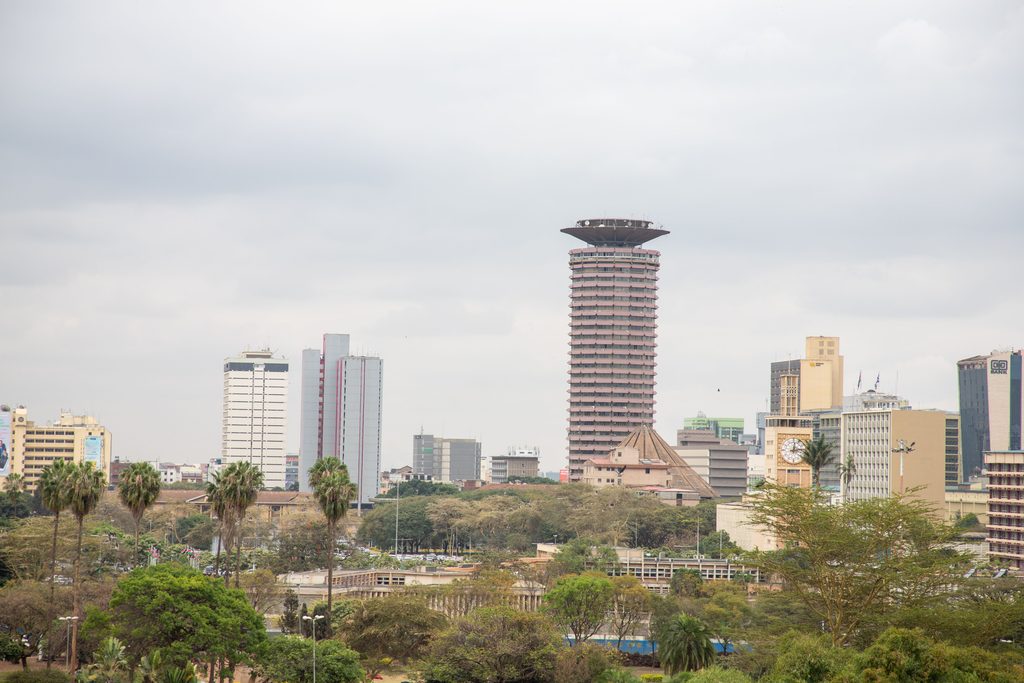
Nairobi takes its name from the Maasai phrase Enkare Nairobi, or ‘cool waters’, recalling the rivers and wetlands that shaped the area before the modern city emerged. Founded in 1899 as a railway depot, Nairobi has grown into a cosmopolitan capital of more than five million people and an important economic, diplomatic and creative centre for East Africa. Nairobi City County is increasingly recognising the city’s culture not only through public events and heritage protection, but as a key resource for urban development and civic life.
The County has recently strengthened its focus on creative livelihoods and access to cultural participation. Cultural mapping across the city’s sub-counties is documenting both formal institutions and the less visible places where culture happens – studios, social halls, markets, places of worship, recreational spaces, community media and neighbourhood gathering places. This evidence is informing the development of the Nairobi City County Culture and Arts Policy, and creating stronger connections between culture, tourism, public space, neighbourhood development and urban planning.
This work builds on the UNESCO|Aschberg project, through which the County is building capacity for critical data collection on culture, heritage and tourism. With support from the Kenya Bureau of Statistics, County officials and other stakeholders are receiving specialised training to collect data on Nairobi’s creative industries – from visual arts and design to music, film and literature – building a cultural statistics database intended to underpin more informed policy decisions and tailored support for the sector. Kenya’s creative economy currently contributes an estimated 5% of GDP, with the national government targeting 10% in the medium term.
Cultural Programmes
Public programmes such as the Nairobi Festival, Battle of the Choirs, and public art and heritage initiatives provide platforms for participation, cultural exchange and civic pride. The Nairobi City County Government organises the Nairobi Festival annually in the lead-up to Jamhuri Day (Independence Day). In 2025, the accompanying Jamhuri Week focused on sustainable tourism, wildlife and cultural exhibitions, including virtual reality tours of Kenya’s iconic landscapes and heritage sites. Nairobi also hosts the Battle of the Choirs Annual Easter Festival, the East African Community Arts and Culture Festival, the Nairobi International Cultural Festival and the Africa Nouveau Festival, alongside marathons, concerts, exhibitions, conferences and other major gatherings that contribute to the city’s increasingly visible public and visitor culture.
This festival calendar is set to expand under the mandate of Nairobi’s new City Culture, Arts and Tourism sub-sector, which has committed to developing the city’s annual festivals and wider community cultural celebrations, alongside regular stakeholder meetings, capacity-building programmes for the sector, and the cultural database described above.
Cultural Heritage and Infrastructure
The city’s heritage lives in its people, places, ecosystems and stories. City Hall, the Nairobi Railway Museum, the Kenya National Archives and Uhuru Park coexist with modern towers, dense neighbourhoods, informal settlements and active creative districts. Nairobi National Park lies only a short distance from the central business district, creating a distinctive relationship between metropolitan life and natural heritage, while Karura and Oloolua forests are popular for hiking, picnicking and nature walks.
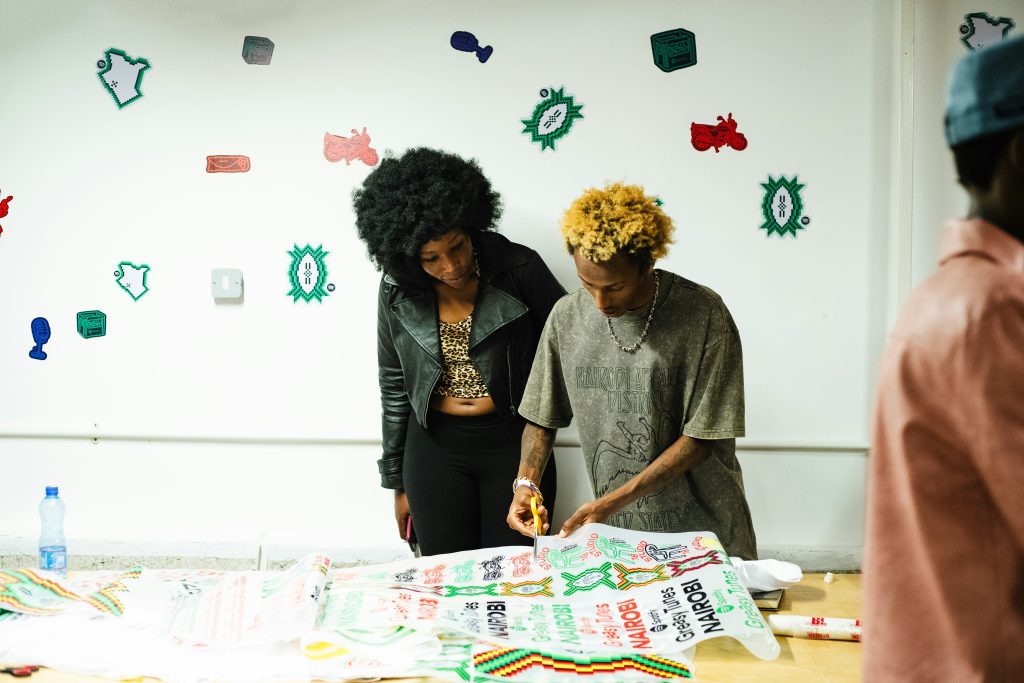
Formal heritage institutions such as the Kenya Cultural Centre and the Nairobi National Museum anchor this landscape. A dense layer of smaller hubs, galleries and networks carry out the day-to-day work of producing and sustaining contemporary culture, together forming an infrastructure of hireable studio space, incubators and networks that creative practitioners rely on.
Traditional music, dance, visual art, fashion, literature, food and indigenous knowledge remain embedded in everyday life while continually being reworked through contemporary expression. Kiswahili and English are spoken alongside many Kenyan and international languages, while Sheng, an inventive urban vernacular, captures Nairobi’s youthful, adaptive character. Matatu culture turns public transport into moving expressions of urban music such as Genge-tone and Arban-tone, fashion, visual art, language and neighbourhood identity.
Nairobi National Park, at 117 square kilometres, also protects rock shelters historically used by the Maasai, including rock paintings of significant cultural and anthropological value. The city’s role as a regional gateway for cultural cooperation is reinforced by the East African regional offices of major international cultural organisations, including the Goethe-Institute, the British Council, Alliance Française and UNESCO.
Nairobi is also investing in the physical settings that sustain cultural and civic life. The restoration of historic public libraries, development of new cultural facilities and improvement of neighbourhood sports and social infrastructure seek not just to conserve or construct buildings, but to create accessible places for learning, production and participation.
Community engagement, social impact and policy innovation
Community engagement and partnership are central to Nairobi’s emerging approach to cultural policy. The city uses stakeholder consultations, creative-sector forums, youth engagement and public-participation processes to help bring residents’ knowledge and aspirations into policy.
This engagement sits alongside a digitally-focused approach to growing the creative economy. In 2026, the city launched an AI training programme aimed at building digital literacy among residents, part of broader annual development priorities that include support for iHub, a coworking space and tech incubator connecting entrepreneurs, developers and investors in Nairobi’s creative and digital sectors.
With around 78% of residents aged under 35, Nairobi’s demographics are central to a growing push to improve economic prospects for the next generation of creatives. The city is one of six Kenyan counties piloting the Sanara programme for young people in the creative industries, delivered through a consortium of HEVA Fund, SNDBX-Ubuntu, Baraza Media Lab and The GoDown Arts Centre Nairobi, Sanara has run training cohorts through partners such as Creative DNA, supporting early-stage fashion and accessory brands through a six-month incubation and mentorship programmes.