Cultural Policy in Dublin
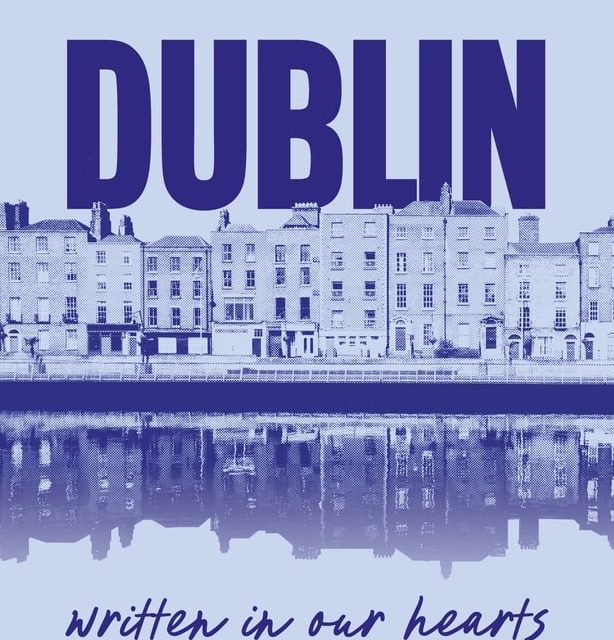
Ireland’s capital boast a population of nearly 1.35 million and continues to attract visitors to its rich cultural and literary heritage

Cultural policy
Dublin City Council has long seen the city’s rich history and cultural heritage as an asset and has been active in preserving and promoting this both domestically and on the global stage. In 1994 it instituted an International Literature Prize which remains well-regarded and links the city to libraries, artists and literature lovers across the world. Recently more focus has been put into the cultural benefits for wellbeing and social development which now underpins Dublin’s cultural policy ‘To position Culture, Creativity and Creative Industries as central to Dublin’s global competitiveness and reputation as a modern European City’.
A dedicated Dublin City Council Culture Company was set up to focus on community and socially led programmes. Their initiatives bring about collaboration between communities, cultural organisations and businesses to increase cultural participation and embed cultural experiences into the lives of all who call Dublin home. Their mission is to connect people and communities through culture and conversation, driving health and wellbeing, social relationships, belonging, community cohesion and pride of place.
Cultural programmes
Dublin’s modern economy is heavily influenced by its capacity to attract international business, with 250 global financial institutions and nine of the top ten global ICT (Information and Communication Technology) companies currently based there. The city’s cultural infrastructure includes an impressive lineup of 62 museums, 51 public libraries, three universities, and 53 art galleries. Furthermore, Dublin is home to seven designated National Cultural Institutions, including the National Gallery of Ireland, the Irish Museum of Modern Art, the National Concert Hall, and the city’s art gallery, the Hugh Lane Gallery.
Examples of this include:
- Culture Connects, an initiative created by the Dublin City Culture Company, that invites people in Dublin to ‘try out new things’. As well as laying on informal events in libraries and museums the scheme promotes new ways for people to access cultural activities more easily . The initiative now also boasts the award-winning, Dublin Tenement Museum, Dublin Tenement Museum, which captures stories of poverty and wealth, as part of the history of the city.
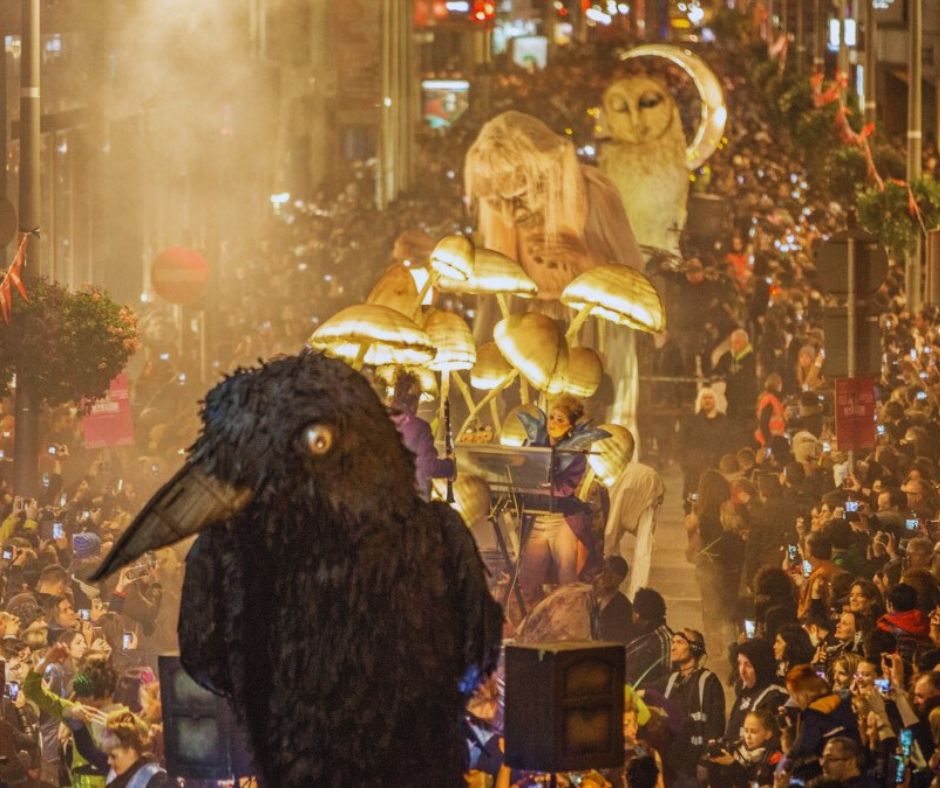
- Culture Night, founded in Dublin in 2006 and is now an annual nation event is a programme of events taking place in the city over one night in September. A unique experience as spaces not usually accessible are opened up to the public and all events are free at the point of entry which is a great part of its success
Cultural heritage and infrastructure
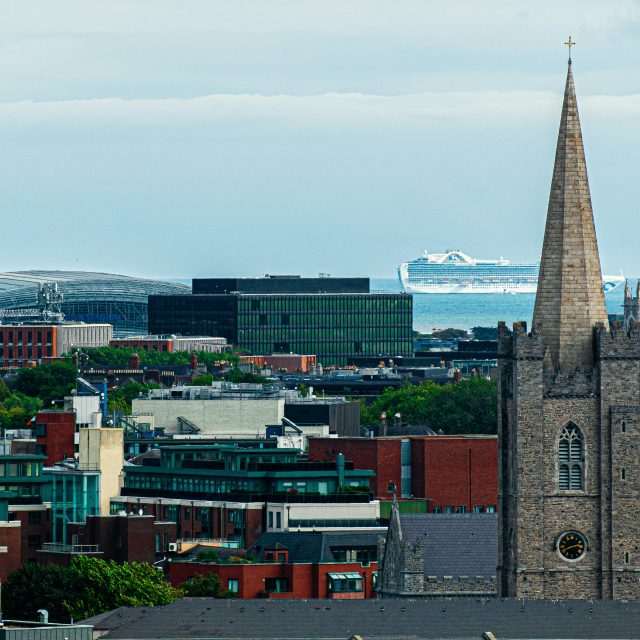
The City of Dublin is an ancient city, first documented in stories of 8th-century Viking raids. It has endured periods of conflict and prosperity, with the latter giving rise to its oldest university, Trinity College, established in 1592, and the construction of imposing 18th-century buildings. Just over a century has passed since the Easter Rising of 1916, during which opposition to the British government led to the creation of the modern Irish state in 1922.
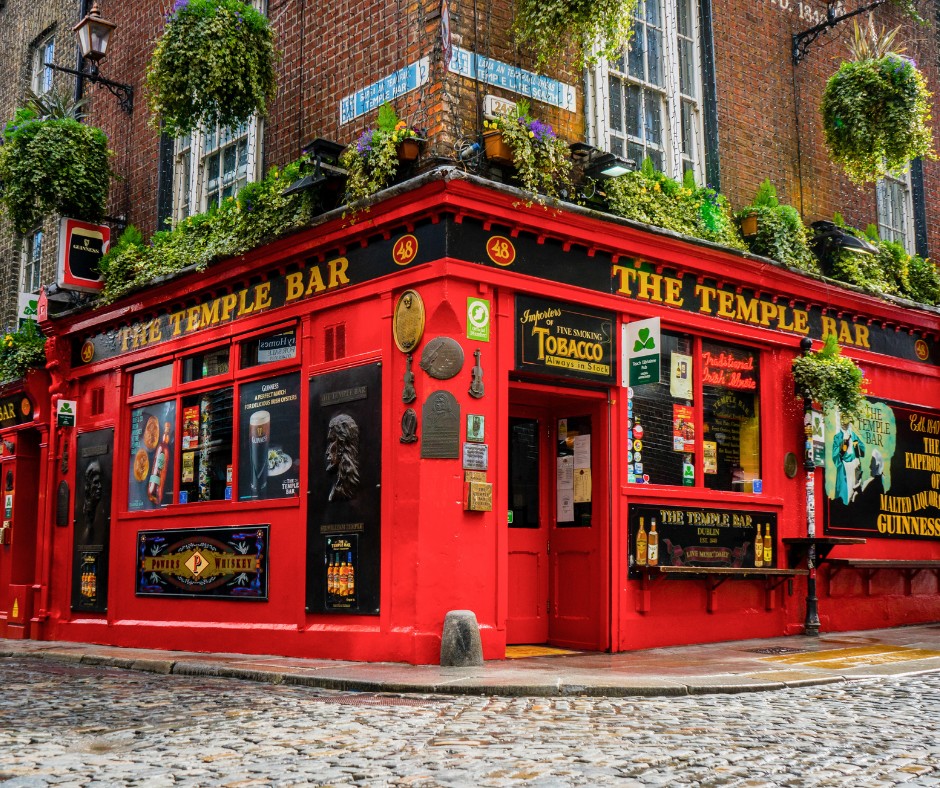
The city is renowned for its literary figures, including Seamus Heaney, James Joyce, Oscar Wilde, Samuel Beckett, and Anne Enright. Additionally, Dublin boasts a world-renowned arts and cultural reputation, as well as a reputation for hospitality, including a vibrant pub culture, friendliness, and humour, which are deeply ingrained in its fabric. Its rich history, distinctive character, and lively culture continue to attract tourists, with 5.9 million visitors from overseas in 2017.
Community engagement, social impact and policy innovation
Dublin has a history of successfully adapting to change while preserving its rich community and cultural heritage. Placemakers have been particularly effective in recent years in drawing and retaining residents, workers, and visitors. The city’s diverse and lively cultural scene is widely recognised as a crucial component of this objective.
Fuelled by significant technological advancements, demographic shifts, and new forms of social engagement and cultural expression, Dublin has evolved into a modern city. It excels in building strong, neighbourly communities with cultural connections at their core. Additionally, Dublin has crafted a cultural offering that continues to captivate audiences worldwide.
Ultimately, Dublin aims to be a place that attracts people to live, work, and visit. Its diversity and vibrant cultural offerings are regarded as essential elements in realising this aspiration.
Images copyright © Getty Images/Canva; City of Dublin