Opening Doors: The app making Oslo’s municipal buildings accessible after-hours to activate cultural volunteering
Project: Empowering Culture and Volunteering Through Digital Access Solutions
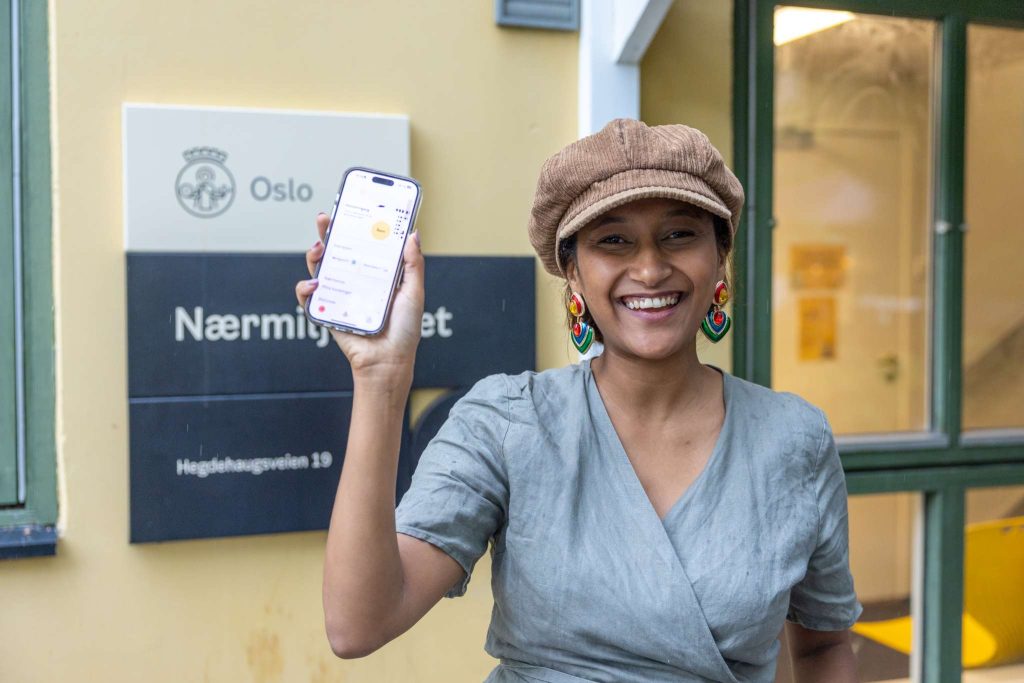
Through the Oslonøkkelen app – a digital key that allows users to open doors – Oslo is gradually making more of its public buildings and schools available for cultural volunteering. This initiative extends opening hours and streamlines access protocols, ensuring that venues can be used freely and flexibly by cultural organizations and volunteers.
By rethinking traditional access, the project not only makes existing infrastructure more adaptable but also directly addresses the pressing need for free indoor meeting places. This blend of technology and policy is designed to empower local cultural actors, fostering community events, art exhibitions, workshops, and other creative endeavours in spaces that were once underutilised.
Opening municipal buildings for cultural use after-hours
Municipal spaces have long been underutilized due to strict operating hours and conventional access protocols. Cultural actors and volunteer organizations, however, face a significant need for free indoor meeting places that can host a range of creative and social activities regardless of the weather or time of day. This lack of accessible venues often hinders the development of grassroots cultural initiatives. At the same time, the demand for community-driven cultural programming is growing. Overcoming these administrative barriers to provide cost-free, welcoming spaces is essential to support the vibrant volunteer sector and to reinvigorate local cultural expression.

Enabling richer and more diverse cultural community activities
Early outcomes indicate a positive shift in how municipal spaces are perceived and used. Cultural organizations and volunteer groups report increased access to venues that were previously locked away behind bureaucratic procedures, allowing for a richer and more diverse array of community activities.
In 2017, school venues were booked free of charge for 250 000 hours. In 2024, this number had increased to 304 353 hours. In 2024, the city decided that all schools were to make use of the digital access solution, aiming to make approximately 150 school buildings across the city available to the public.
By integrating digital tools like Oslonøkkelen, which simplifies access to schools, cultural centers, and other municipal buildings, Oslo is creating a more inclusive, participatory environment where citizens can actively contribute to the cultural life of the city.