How Can Cities Scale Up Creative Approaches to Health?
Three ways to unlock the full potential of creative health

The benefits of culture to our health are well-known. Whether through performing arts for dementia patients in Edinburgh, museum prescriptions for mental health in Montreal, or art therapy for trauma survivors in Kyiv, cities are tapping into the power of culture to tackle health challenges and improve citizen wellbeing. Beyond individual benefits, these programs build community cohesion, combat isolation, and boost urban resilience.
However, without sustained investment, these initiatives risk being seen as temporary solutions rather than fundamental to public health. A lack of secure, long-term funding jeopardizes their potential for meaningful health outcomes and opportunities for workforce innovation.
Cities need to scale up these initiatives to reach more people and unlock their full potential.
Here are three examples of how to do this.
Healing Arts Scotland has successfully championed the integration of the arts into Public Health Scotland’s policies, towards addressing health disparities that affect over 5.4 million people.
1) Leverage major events to drive policy change
Lessons from Healing Arts Scotland

Healing Arts Scotland Festival, by the Jameel Arts and Health Lab, in collaboration with the World Health Organization’s regional office for Europe, and Scottish Ballet, demonstrated how major events can drive policy change at city and national level.
Launched in August 2024 during the Edinburgh International Festival, Healing Arts Scotland showcased how the arts can tackle pressing health issues, including loneliness, dementia, and youth mental health issues. The inaugural festival featured over 375 events nationwide, drawing more than 11,000 attendees.
Collaboration was central to the festival’s success. Key partners such as Scottish Ballet brought specialized expertise, including research on how dance supports individuals with Parkinson’s disease. Local health workers, cultural organizations, and artists formed a knowledge-sharing network, bridging gaps across sectors.
With over 120 partners, the festival built a nation-wide stakeholder network to support the long-term scaling of creative health initiatives. The Jameel Arts and Health Lab engaged with national policymakers and Public Health Scotland to understand their public health priorities and advocate for the integration of the arts into their policies. As a result, Healing Arts Scotland has successfully championed the integration of the arts into Public Health Scotland’s policies, towards addressing health disparities that affect over 5.4 million people.
Read the Healing Arts Scotland Report for more outcomes.
2) Collect data and evidence to unlock investment
London’s Leadership in Creative Health

London’s 2024 Creative Health Report charts how the city has emerged as a global leader in creative health. Since the 1960s, local arts organisations have worked to reduce health inequalities through initiatives in schools, homes, libraries, parks, cinemas and food banks. Programmes like London’s ‘Borough of Culture’ have inspired 15 of the city’s 32 boroughs to integrate creative health into their cultural strategies.
In 2023, London launched a co-design process with 500 Londoners to imagine London as a ‘Creative Health City,’. This unveiled key recommendations to support the future vision and address the sector’s vulnerabilities, including the 30,000 freelance arts practitioners who deliver this work yet often earn below the London Living Wage.
Anchored in the Mayor’s ‘Health in All Policies’ approach, London has partnered with the World Health Organization (WHO) on an Urban Health Capacity Assessment Response Report, showcasing how cross-sector collaboration can enhance urban health. Through WHO’s training and support, cities like Utrecht, Gwangju Dong-Gu, and Suva are pioneering innovative approaches to urban health challenges; with London leading the way on the role culture and creativity can play in people’s wellbeing.
3) Integrate culture into existing healthcare systems
Social prescribing in Montreal and Brussels
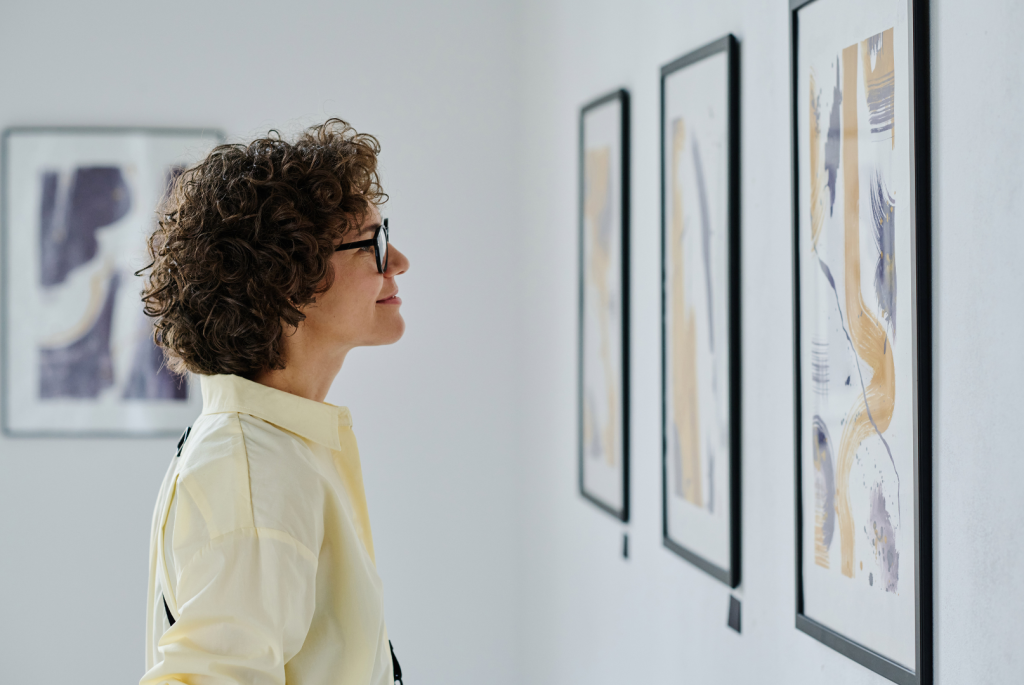
For creative health initiatives to be sustainable, they need to be integrated into existing healthcare systems. One effective approach is social prescribing, which connects doctors’ patients with community services as a supplement to traditional medical treatments.
A notable example is the museum prescriptions programme launched by the Association des Médecins francophones du Canada in 2018, in partnership with the Montreal Museum of Fine Arts. Social prescriptions allowed thousands of patients to receive a doctor’s prescription for museum visits, promoting recovery for individuals with chronic conditions like diabetes and mental health issues. Patients participated in guided meditations with works of art, “slow looking” practices and museum yoga.
Museum prescriptions are now being rolled out in cities across the globe. For Brussels’ 2021 pilot programme, over 30 psychiatrists from CHU Brugmann Hospital prescribed visits to five public museums for patients experiencing stress, burnout, and anxiety. Building on this success, the project has entered a new phase in 2024, with over 18 medical facilities—hospitals, mental health centers, and family planning clinics—joining forces with 13 museums in Brussels.
Long term research points to the critical role that museum prescriptions could play in relieving pressures on existing health systems, especially for cities with ageing populations. Individuals who frequently visit cultural venues have a 50% lower risk of dementia and depression.
One thing is clear: investing in culture is investing in health.